Liver Cirrhosis
Liver cirrhosis develops when long-term liver injury causes healthy liver tissue to be replaced by scar tissue. In its earlier stages, the liver may continue to function well and you may have few or no symptoms.
As cirrhosis progresses, complications such as fluid retention, internal bleeding, confusion and liver cancer can occur. Identifying the cause, monitoring liver function and treating complications early can help many people remain stable for years.
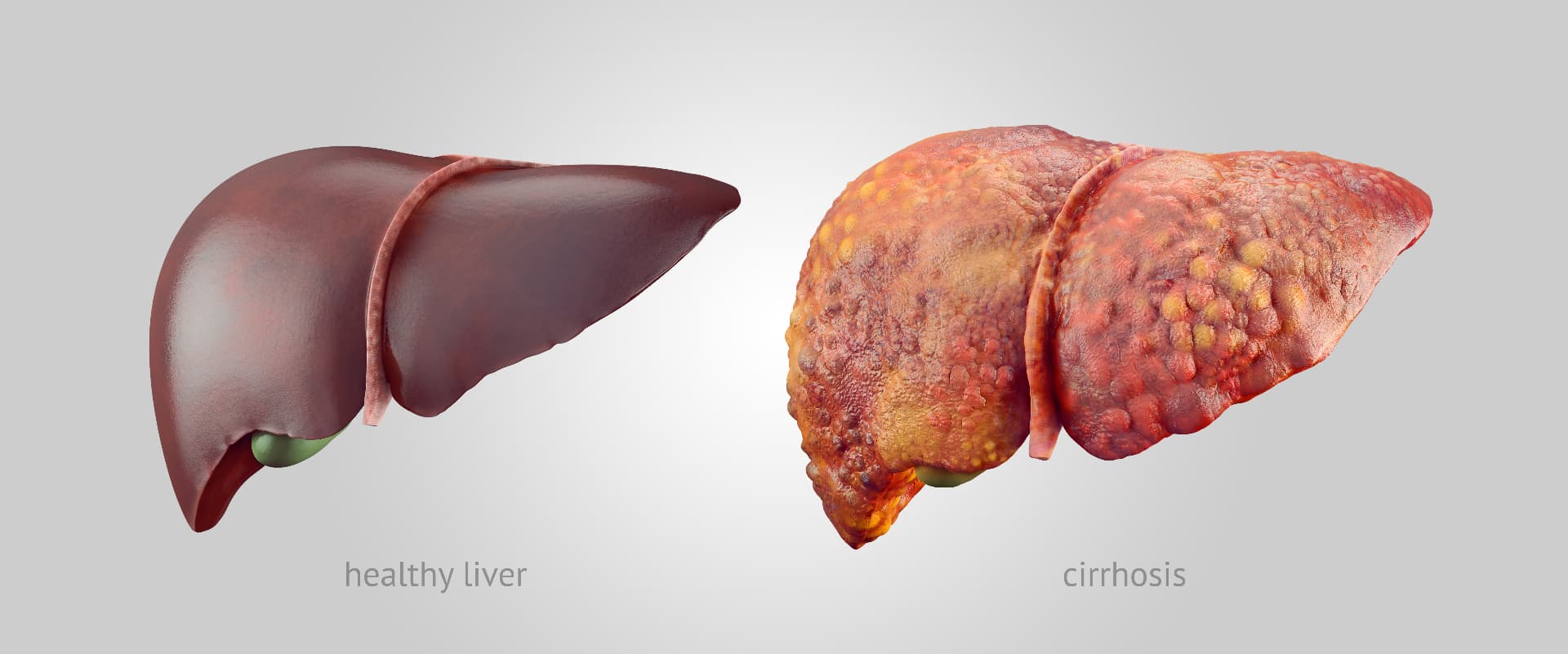
Understanding Liver Cirrhosis
The liver is a remarkable organ with the ability to regenerate. However, when it is subjected to ongoing injury over many years, the repeated cycles of damage and repair eventually lead to the formation of scar tissue. As scarring progresses, the liver becomes increasingly stiff and loses its ability to function normally.
Cirrhosis is classified as either "compensated" (when the liver still functions adequately) or "decompensated" (when complications develop).
Common Causes of Cirrhosis
Complications of Cirrhosis
As liver cirrhosis advances, complications such as portal hypertension, ascites, hepatic encephalopathy, spontaneous bacterial peritonitis, hepatorenal syndrome, and liver cancer (HCC) can develop. Recognizing these signs is crucial for timely treatment in Singapore.
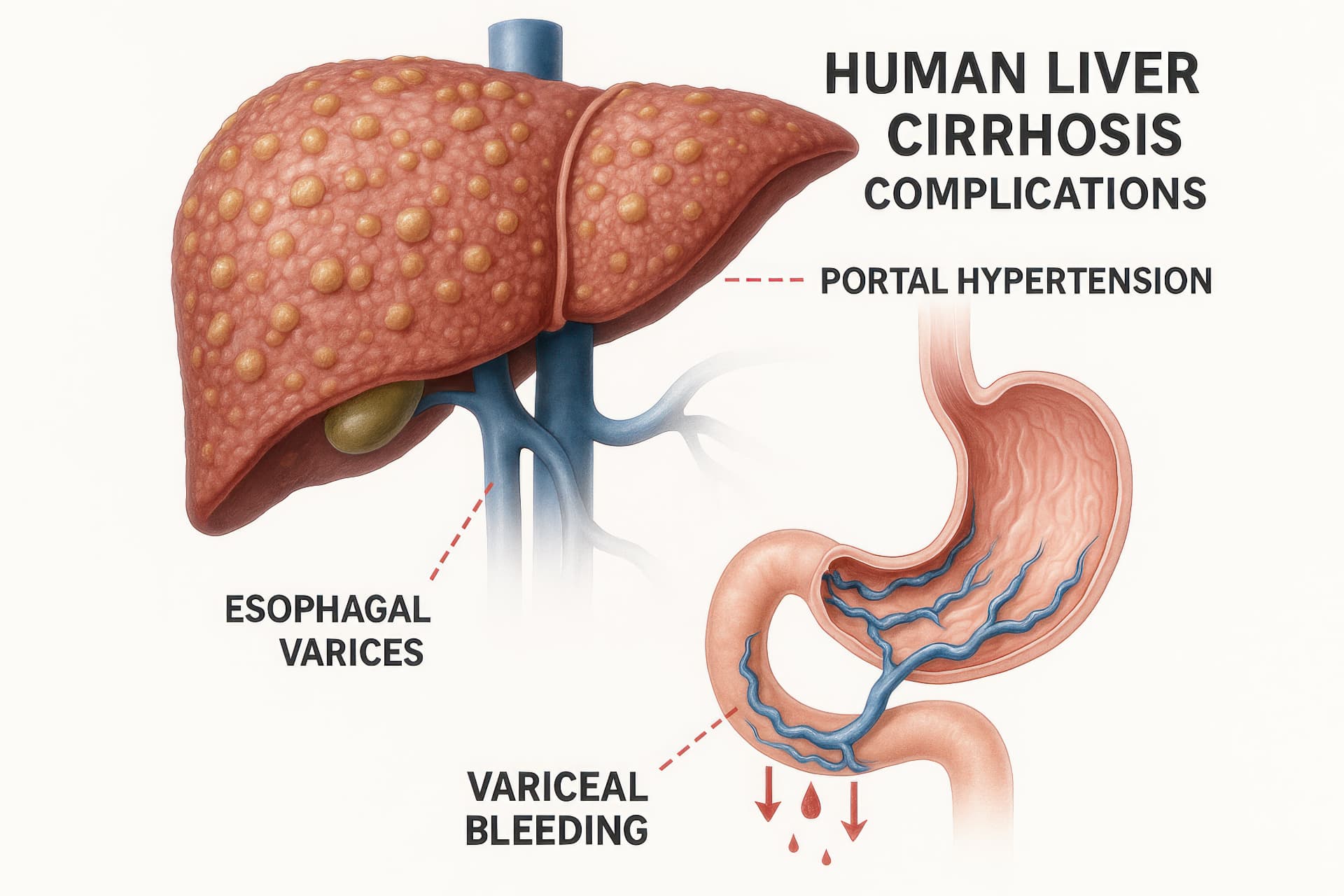
Portal Hypertension
Increased pressure in the portal vein leading to enlarged veins (varices) in the oesophagus and stomach that can bleed.

Ascites
Accumulation of fluid in the abdomen causing swelling and discomfort.

Hepatic Encephalopathy
Confusion, altered consciousness, and cognitive changes due to toxin buildup when the liver cannot filter properly.

Spontaneous Bacterial Peritonitis
Infection of the ascitic fluid requiring prompt antibiotic treatment.
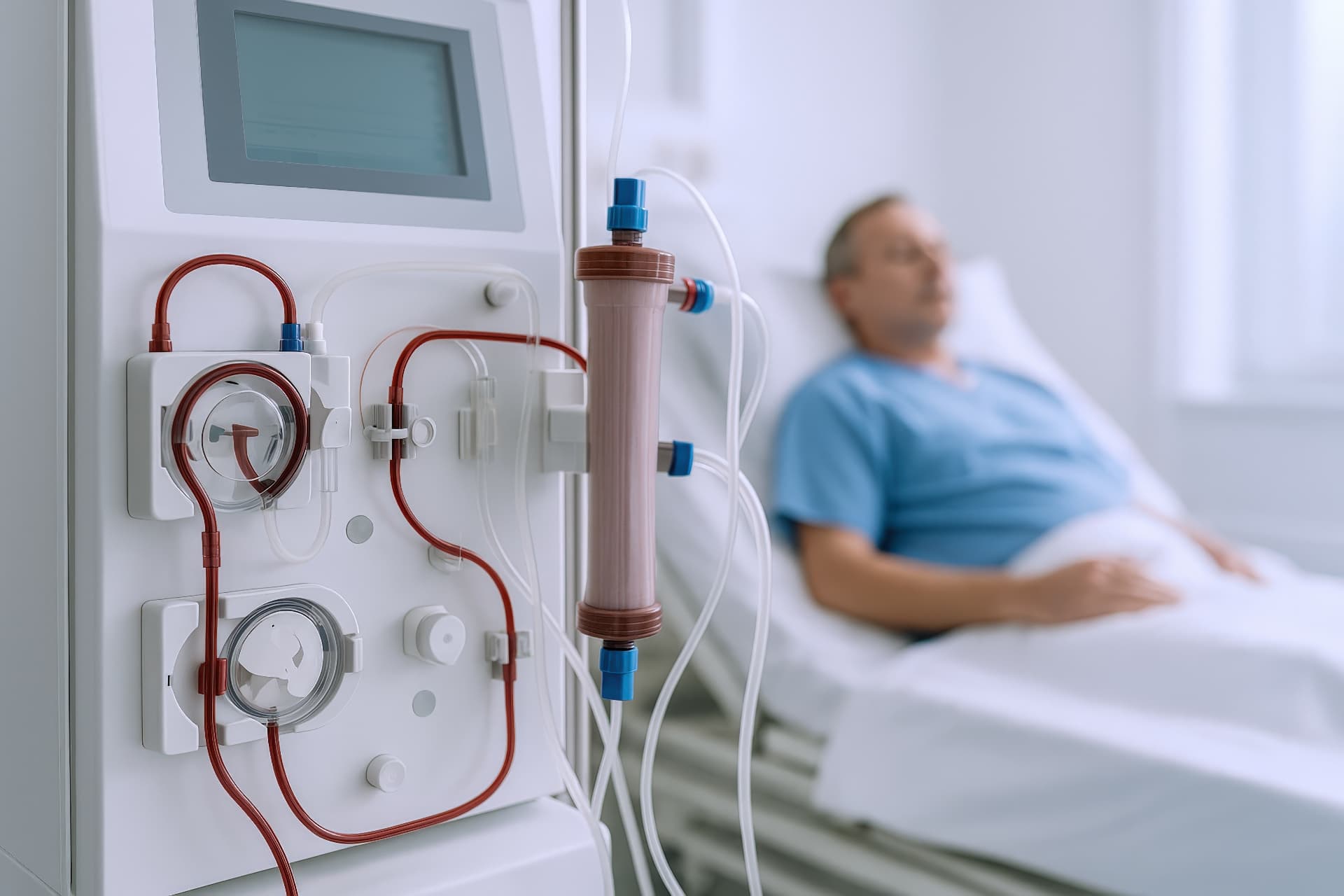
Hepatorenal Syndrome
Kidney failure that can occur in advanced cirrhosis.
Liver Cancer (HCC)
Cirrhosis significantly increases the risk of developing hepatocellular carcinoma.
Diagnosis and Assessment
Diagnosing cirrhosis and assessing its severity involves multiple approaches to determine the extent of liver damage and guide treatment decisions.
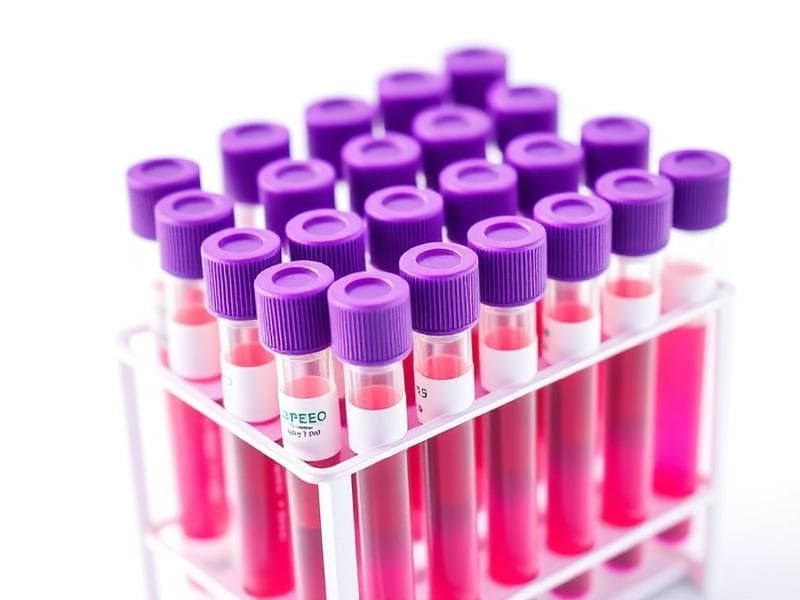
Blood Tests
Liver function tests, platelet count, albumin, and clotting factors help assess liver function and disease severity.
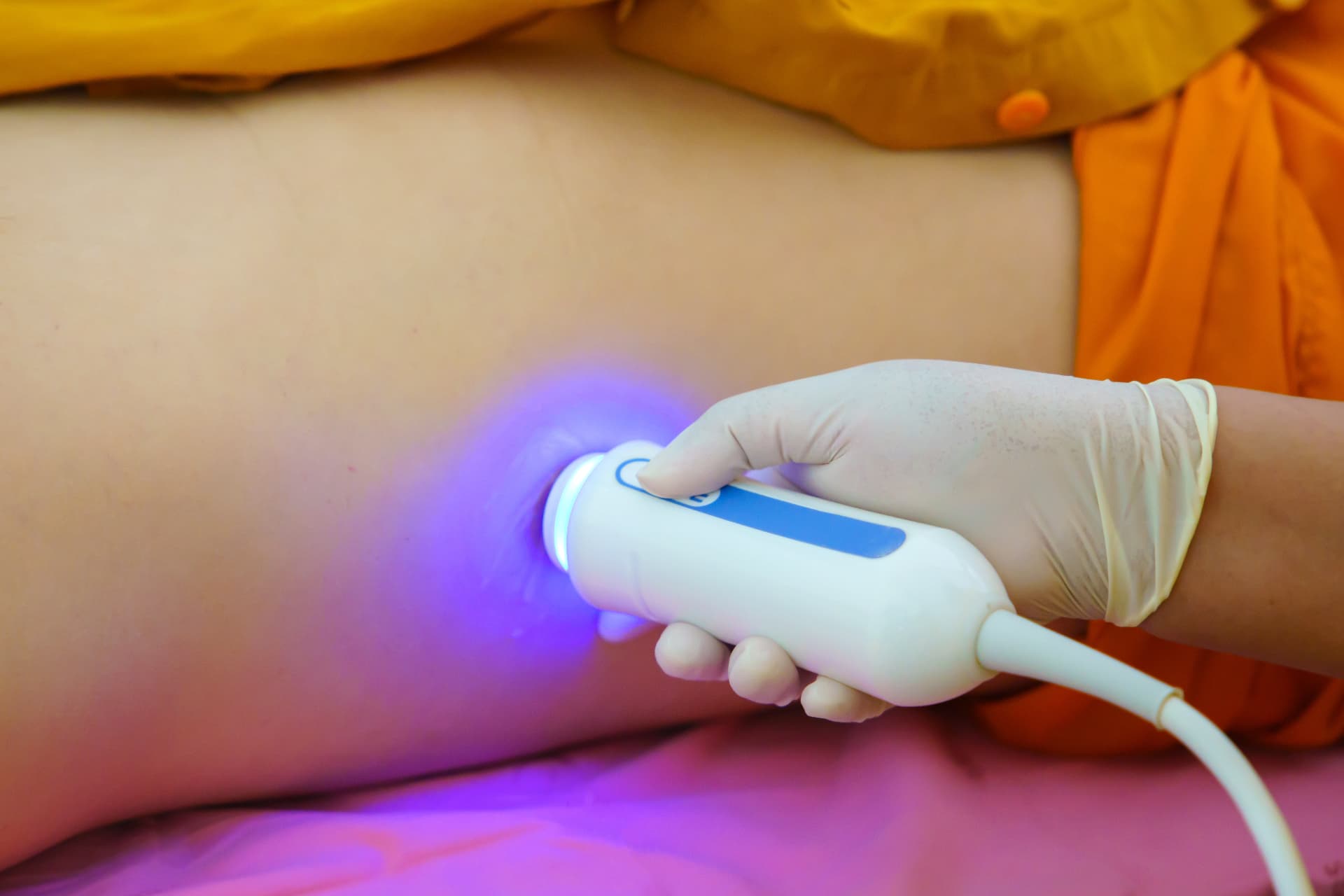
FibroScan
A non-invasive test that measures liver stiffness to assess the degree of fibrosis without the need for biopsy.
Learn more about this procedure →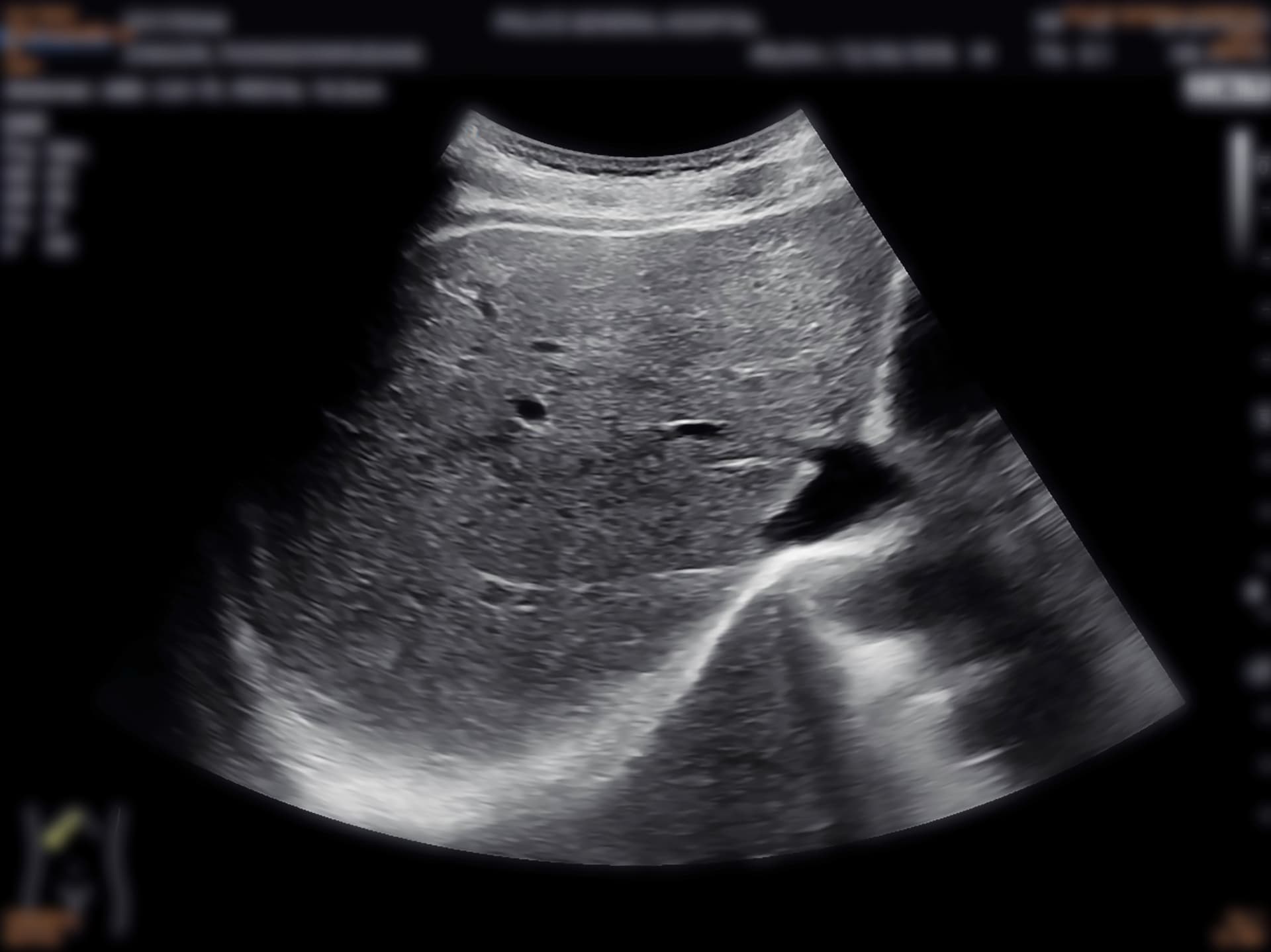
Ultrasound
Evaluates liver size, texture, and detects signs of portal hypertension such as splenomegaly and ascites.
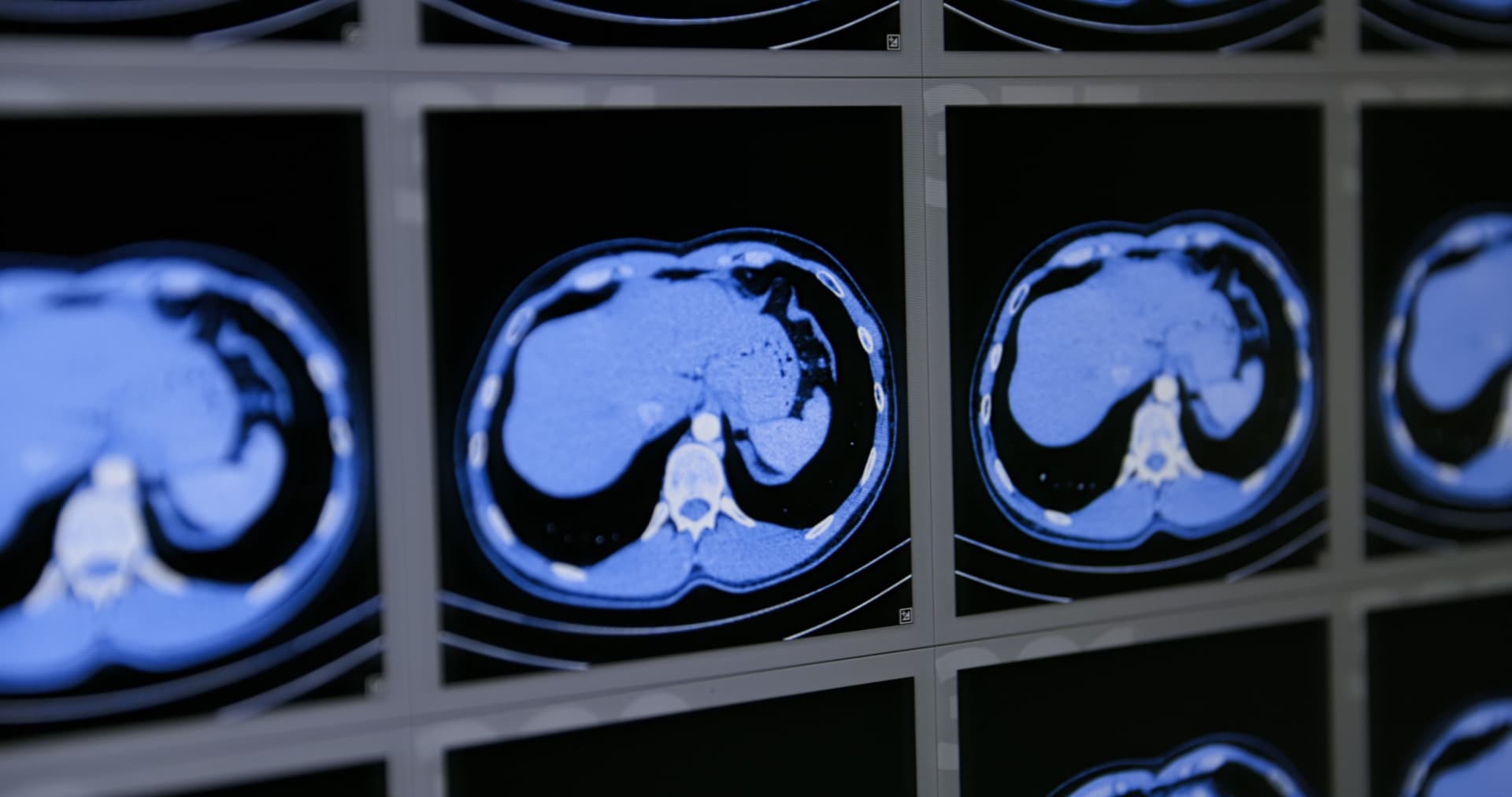
CT or MRI Scan
Provides detailed imaging for comprehensive assessment of liver architecture and detection of complications.
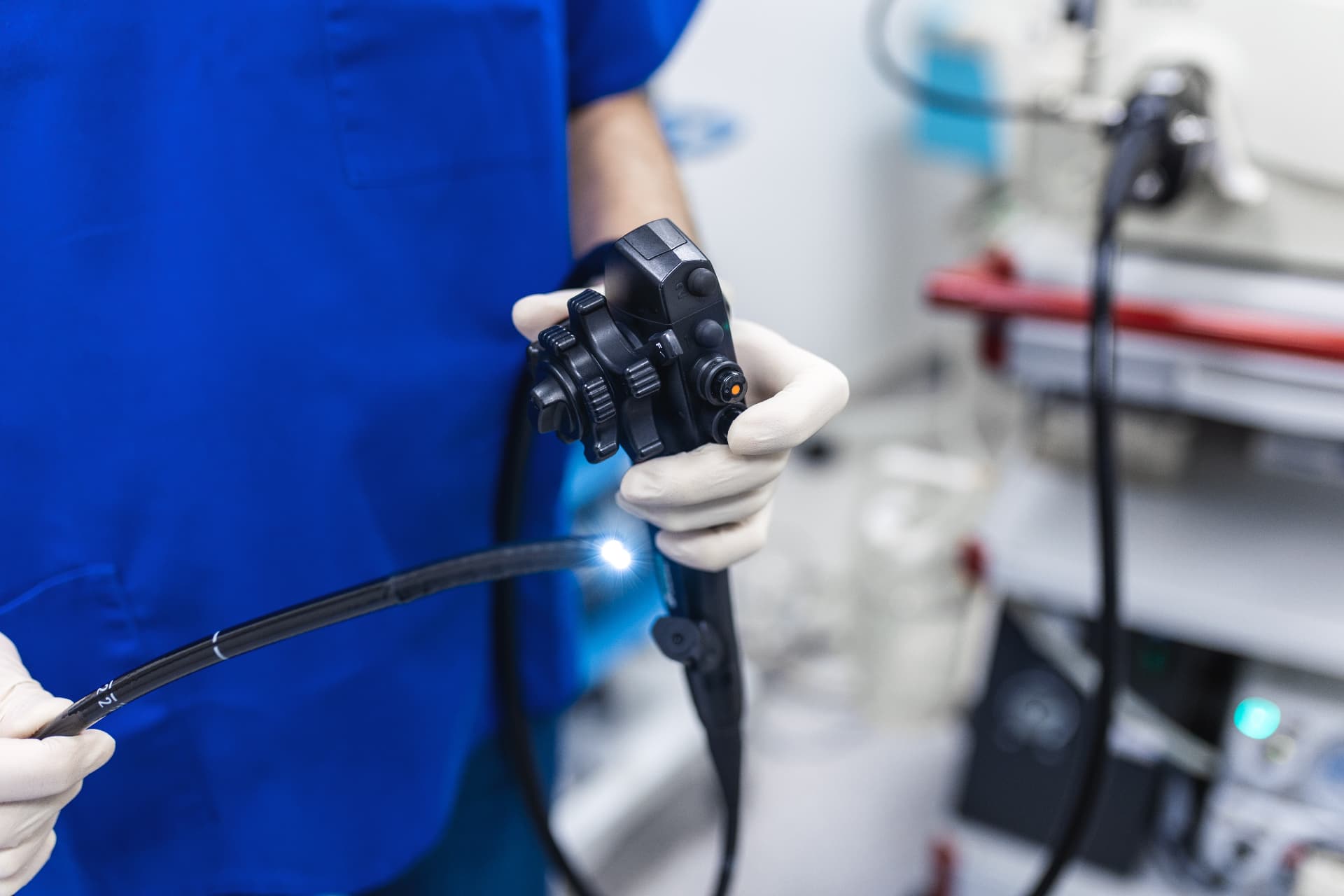
Gastroscopy
Screens for oesophageal and gastric varices that require monitoring or preventive treatment.
Learn more about this procedure →
Liver Biopsy
May be needed in certain cases to confirm the diagnosis, identify the cause, or assess disease activity.
Learn more about this procedure →Management Strategies for Liver Cirrhosis
Effective management of cirrhosis requires a comprehensive, multidisciplinary approach focused on treating the underlying cause, preventing complications, and maintaining quality of life.
Regular surveillance for liver cancer with ultrasound and AFP every 6 months
Endoscopic screening and treatment of oesophageal varices
Diuretic therapy and dietary sodium restriction for ascites
Lactulose and rifaximin for hepatic encephalopathy prevention
Vaccination against hepatitis A and B if not immune
Nutritional support and avoidance of alcohol
Liver transplant evaluation for suitable candidates
How Is Liver Cirrhosis Treated?
Cirrhosis is a serious condition, but its progression can often be slowed or stopped when the underlying cause is treated. In some people, liver function can improve and scarring may partially regress over time.
Treatment has two main goals: to control the cause of liver damage and to prevent or manage complications of cirrhosis.
Treating the Underlying Cause
Controlling the source of ongoing liver injury is one of the most important parts of treatment.
Hepatitis B
Antiviral medication can suppress the virus, reduce liver inflammation and lower the risk of further liver damage.
Hepatitis C
Hepatitis C can now be cured in most patients with direct-acting antiviral tablets, often taken for 8–12 weeks.
Alcohol-related liver disease
Complete abstinence from alcohol is essential. Even in advanced cirrhosis, stopping alcohol can improve liver function and reduce the risk of further deterioration.
Metabolic dysfunction-associated steatotic liver disease (MASLD)
Treatment focuses on weight management, physical activity and control of associated conditions such as diabetes, high cholesterol and high blood pressure. Medication may also be appropriate for selected patients.
Autoimmune hepatitis
Corticosteroids and other immunosuppressive medications may be used to control inflammation and prevent further liver injury.
Treating the underlying cause can prevent further damage and, in some patients, allow liver function and fibrosis to improve.
Preventing and Managing Complications
Cirrhosis can increase pressure within the liver circulation and reduce the liver's ability to perform its normal functions. Regular monitoring allows many complications to be identified and treated before they become more serious.
Varices
Enlarged veins can develop in the oesophagus or stomach and may cause serious bleeding. Screening endoscopy and, where appropriate, non-selective beta-blockers or endoscopic band ligation can reduce this risk.
Ascites
Fluid can accumulate within the abdomen, causing swelling and discomfort. Treatment may include reducing dietary salt and taking diuretics. Larger amounts of fluid may need to be drained by paracentesis.
Hepatic encephalopathy
When the liver cannot adequately clear certain toxins from the blood, patients may develop confusion, forgetfulness, changes in behaviour or drowsiness. Treatment commonly includes lactulose and, in selected patients, rifaximin.
Liver cancer surveillance
Cirrhosis increases the risk of hepatocellular carcinoma (HCC). Regular liver imaging, usually every six months, is recommended so that liver cancer can be detected at an earlier and more treatable stage.
When Is Liver Transplantation Considered?
Most people with compensated cirrhosis do not require a liver transplant. However, transplantation may be considered when liver function becomes significantly impaired or complications can no longer be adequately controlled. This may include recurrent ascites, variceal bleeding, hepatic encephalopathy, worsening jaundice or liver failure. Selected patients with hepatocellular carcinoma may also be considered for transplantation.
Living With Liver Cirrhosis
Living well with cirrhosis means protecting the remaining liver function, maintaining good nutrition and detecting complications early.
Daily Precautions
Avoid alcohol completely
Once cirrhosis is established, alcohol can cause further liver injury regardless of the original cause. Avoiding alcohol gives the liver the best opportunity to remain stable.
Reduce salt if you have fluid retention
For patients with ascites or swelling, reducing dietary sodium helps prevent fluid accumulation. Your doctor or dietitian can advise you on an appropriate daily intake.
Check medications and supplements
Some medicines may need to be avoided or adjusted in cirrhosis. NSAIDs such as ibuprofen can be particularly problematic in advanced liver disease, and some herbal or complementary medicines can cause liver injury.
Maintain good nutrition and muscle strength
Loss of muscle mass and malnutrition are common in cirrhosis. Adequate calories and protein are important, and protein should not routinely be restricted because of hepatic encephalopathy. Small, frequent meals and a late-evening snack can help reduce prolonged fasting and muscle breakdown.
Keep physically active
Regular activity and resistance exercise, where appropriate, can help maintain muscle mass, strength and overall health.
Attend regular follow-up
Blood tests, imaging, endoscopy and clinical review allow complications to be detected and treated early, even when they have not yet caused obvious symptoms.
When to Seek Urgent Medical Attention
Seek urgent medical assessment if you develop:
- Vomiting blood or coffee-ground material — this may indicate bleeding from the upper digestive tract.
- Black, tarry stools — this can be a sign of gastrointestinal bleeding.
- Rapidly increasing abdominal swelling or new abdominal pain — this may indicate worsening ascites or infection.
- New or rapidly worsening jaundice — increasing yellowing of the skin or eyes can indicate deterioration in liver function.
- Confusion, unusual drowsiness or changes in behaviour — these may be signs of hepatic encephalopathy.
- Fever or other signs of infection — infections can become serious more quickly in people with advanced cirrhosis.
If these symptoms occur, seek medical assessment promptly rather than waiting for them to resolve on their own.
Liver Transplantation
For selected patients with decompensated cirrhosis or progressive liver failure, liver transplantation can offer definitive treatment. With specialist training and experience in transplant hepatology at Queen Elizabeth Hospital Birmingham and the University of Kentucky, I provide:
Comprehensive assessment of transplant candidacy
Optimisation of health while awaiting transplantation
Coordination with transplant centres
Long-term follow-up care
Specialised Liver Cirrhosis Management
Living with cirrhosis requires expert care and regular monitoring. Schedule a consultation to develop a personalised management plan.
Related Conditions
You may also be interested in learning about these related conditions.
Disclaimer: The information provided on this page is for educational purposes only and is not intended as a substitute for professional medical advice, diagnosis, or treatment. Always seek the advice of your physician or other qualified health provider with any questions you may have regarding a medical condition.