FibroScan
Transient Elastography
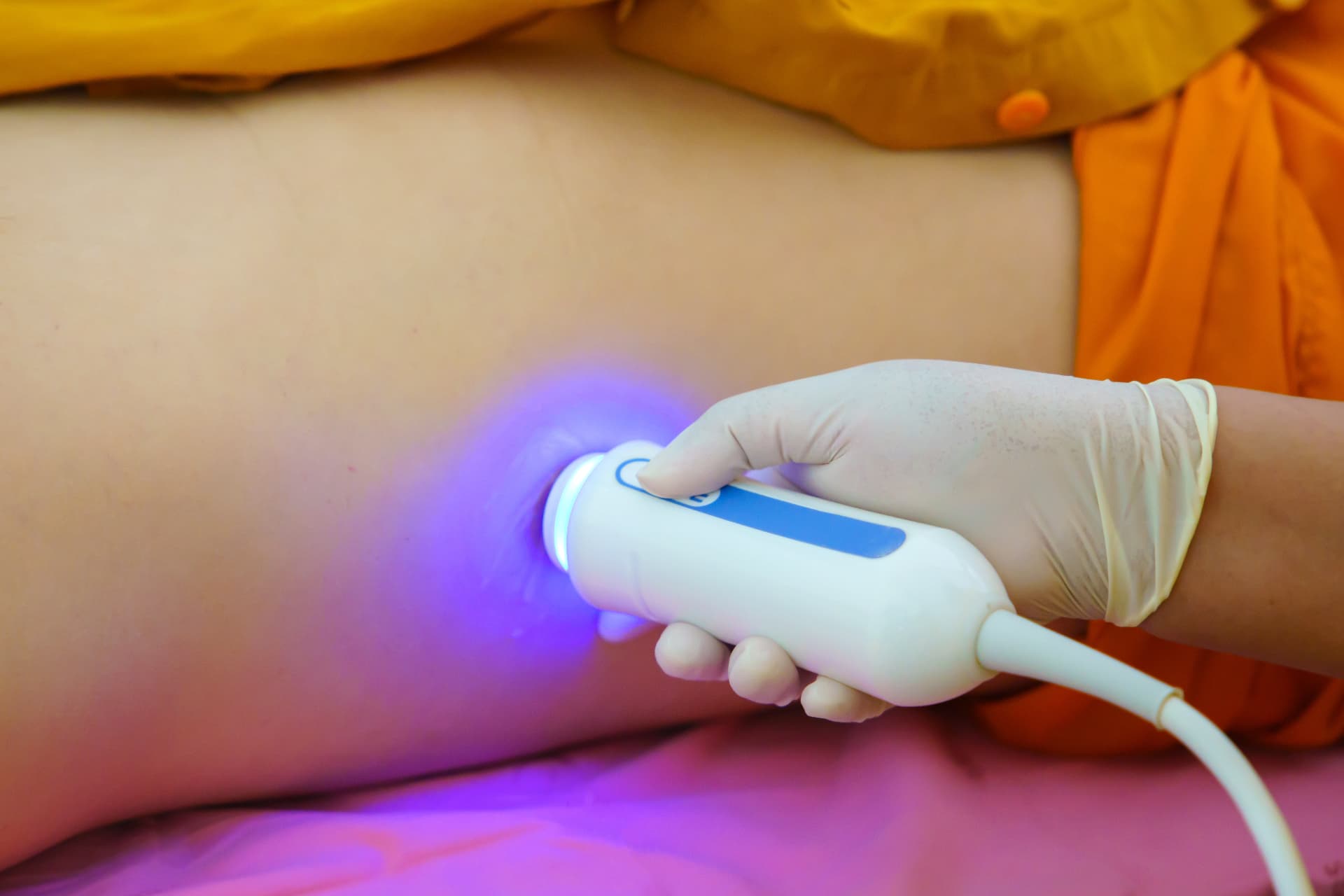
FibroScan is an established non-invasive technology that assesses liver health in just minutes. Using painless ultrasound-based technology, it measures both liver stiffness (indicating fibrosis) and liver fat content, providing essential clinical information without the need for a liver biopsy.
Book a FibroScanWhat is FibroScan?
FibroScan uses a technology called transient elastography to measure liver stiffness. A probe placed on the skin sends a painless vibration wave through the liver and measures how fast the wave travels. Stiffer livers (indicating more fibrosis or scarring) transmit the wave faster.
The same device also measures the Controlled Attenuation Parameter (CAP), which quantifies the amount of fat in the liver. Together, these measurements provide a targeted clinical assessment of liver health that previously required an invasive biopsy.
Who Should Have a FibroScan?
- Metabolic dysfunction-associated steatotic liver disease (MASLD/MASH)
- Chronic hepatitis B or C
- Alcoholic liver disease
- Monitoring of known liver fibrosis or cirrhosis
- Assessment before or after hepatitis C treatment
- Screening in patients with risk factors for liver disease
- Alternative to liver biopsy in many situations
Advantages of FibroScan
Non-Invasive
No needles, no sedation, no recovery time needed. Simply lie down and the test is performed externally.
Quick Results
The entire examination takes only 10-15 minutes, with results available immediately.
Accurate Assessment
Measures both liver stiffness (fibrosis) and fat content (CAP score) in a single session.
Repeatable
Can be repeated regularly to monitor disease progression or response to treatment without risk.
Understanding Your Results
FibroScan provides two key measurements that together give a comprehensive picture of your liver health.
Liver Stiffness (kPa)
Measures the degree of fibrosis (scarring) in the liver. Higher values indicate more advanced fibrosis.
< 7 kPa
Normal or minimal fibrosis
7-10 kPa
Moderate fibrosis
10-14 kPa
Significant fibrosis
> 14 kPa
Suggestive of cirrhosis
CAP Score (dB/m)
Controlled Attenuation Parameter measures the amount of fat in the liver.
< 238 dB/m
Normal
238-260 dB/m
Mild steatosis (S1)
260-290 dB/m
Moderate steatosis (S2)
> 290 dB/m
Severe steatosis (S3)
Note: These ranges are general guidelines. Your results should always be interpreted by your doctor in the context of your specific condition and other clinical findings.
What to Expect
The FibroScan procedure is simple and comfortable:
- Preparation: Fast for at least 2-3 hours before the test. Avoid alcohol for 24 hours.
- Position: Lie on your back with your right arm raised behind your head.
- Procedure: A probe is placed on your right side between the ribs. You may feel a gentle tap as measurements are taken.
- Duration: The examination takes only 10-15 minutes.
- After: No recovery time needed. You can resume normal activities immediately.
Limitations
While FibroScan is a recognized clinical tool, there are some limitations to be aware of:
- Results may be less reliable in patients with significant obesity, narrow rib spaces, or ascites (fluid in the abdomen)
- Acute inflammation, congestion, or recent food intake can temporarily elevate readings
- Cannot identify the specific cause of liver disease (requires blood tests and clinical assessment)
- In some cases, liver biopsy may still be needed for definitive diagnosis
Your doctor will advise if FibroScan is appropriate for your situation and how to interpret the results in the context of your overall health.
Frequently Asked Questions
Common questions about FibroScan and what to expect.
Check Your Liver Health
If you have risk factors for liver disease or want to assess your liver health, schedule a FibroScan to get quick, painless answers.
Disclaimer: The information provided on this page is for educational purposes only and is not intended as a substitute for professional medical advice, diagnosis, or treatment. Always seek the advice of your physician or other qualified health provider with any questions you may have regarding a medical procedure.