Liver Transplantation
Liver transplantation is a life-saving treatment for patients with end-stage liver disease or liver cancer. Dr. Prem Thurairajah is a transplant hepatologist with over 25 years of international clinical experience, including specialist training at recognized liver transplant centres in the UK (Queen Elizabeth Hospital Birmingham and St. James's University Hospital Leeds) and the USA (University of Kentucky).
Book a Consultation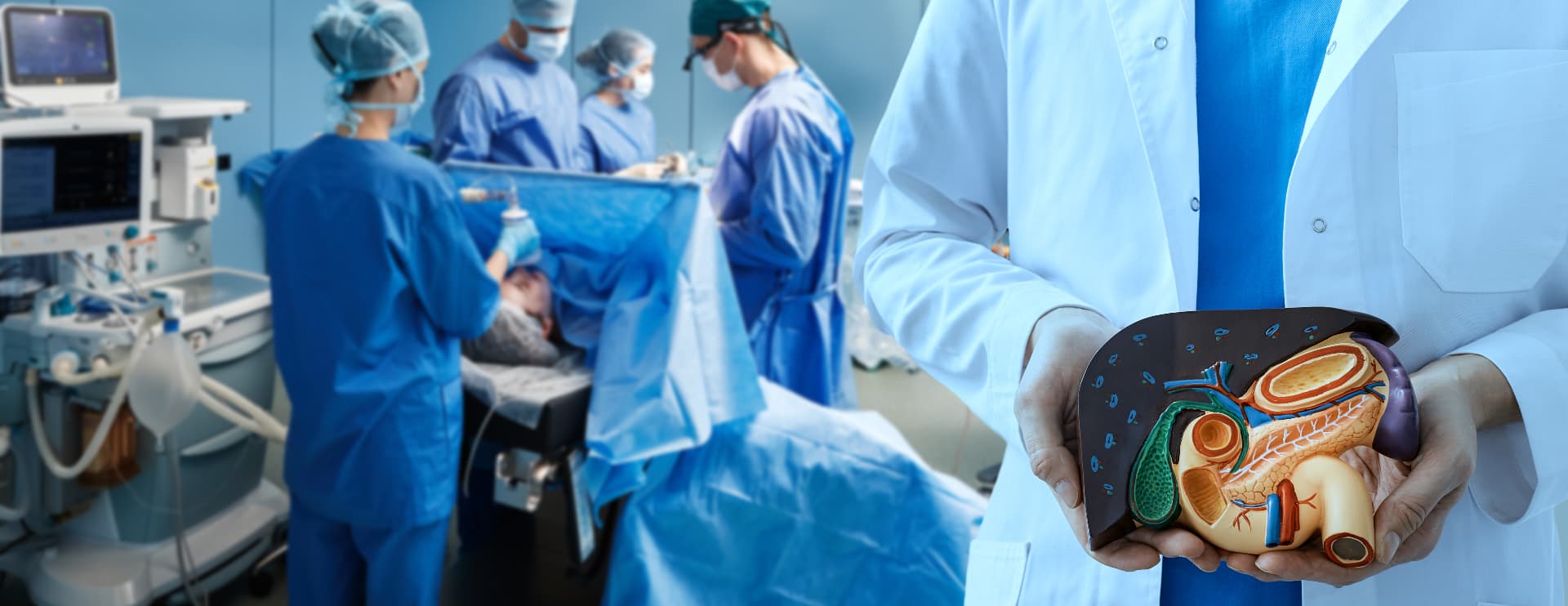
90%+
1-year survival rate
75%
5-year survival rate
When Is a Liver Transplant Needed?
A liver transplant may be considered when the liver has failed to the point where it can no longer perform its vital functions, and no other treatment can restore its function. The decision to proceed with transplant evaluation is made carefully, weighing the risks of surgery against the expected benefits.
As a former Senior Transplant Hepatologist at the National University Centre for Organ Transplantation (NUCOT) and National University Health System (NUHS), Dr. Prem brings extensive experience in managing complex liver transplant patients. He now provides transplant hepatology services at Mount Elizabeth Hospital, offering comprehensive pre-transplant assessment, post-transplant care, and long-term follow-up. Both deceased donor and living donor transplants are available, with living donor transplants offering shorter waiting times for suitable candidates.
Indications for Liver Transplant
Liver transplantation is considered for various conditions that cause irreversible liver damage:
Decompensated Cirrhosis
Cirrhosis with complications such as ascites, hepatic encephalopathy, or variceal bleeding that cannot be controlled with medical therapy.
Acute Liver Failure
Sudden onset of liver failure in a previously healthy liver, often from drug toxicity or viral hepatitis.
Hepatocellular Carcinoma (HCC)
Liver cancer within specific criteria (Milan criteria) where transplant is a primary clinical modality for suitable candidates.
Chronic Hepatitis B or C
End-stage liver disease from viral hepatitis with cirrhosis and liver failure.
Alcoholic Liver Disease
Severe liver damage from alcohol with demonstrated abstinence and rehabilitation.
Metabolic Liver Diseases
Conditions like Wilson's disease, haemochromatosis, or alpha-1 antitrypsin deficiency causing liver failure.
The Transplant Evaluation Process
Before being listed for a liver transplant, patients undergo a comprehensive evaluation to ensure they are suitable candidates for this major surgery.
Initial Assessment
Comprehensive review of your liver disease, overall health, and suitability for transplant surgery.
Medical Workup
Extensive blood tests, imaging studies, cardiac and pulmonary evaluation to ensure fitness for surgery.
Multidisciplinary Review
Evaluation by hepatologists, surgeons, anaesthetists, psychologists, and social workers.
Listing Decision
If approved, you are placed on the national transplant waiting list based on disease severity (MELD score).
Types of Liver Transplant
Deceased Donor Transplant
A whole liver from a brain-dead donor is transplanted to the recipient.
- Waiting times depend on blood type and disease severity
- Allocated based on MELD score (sickest patients prioritised)
- Requires being available at short notice when a liver becomes available
Living Donor Transplant
A portion of a healthy donor's liver is transplanted. Both livers regenerate to full size.
- Shorter waiting time compared to deceased donor
- Elective surgery allows better planning and preparation
- Donor must be healthy and undergo rigorous evaluation
- Typically a family member or close friend donates
Pre-Transplant Investigations
A comprehensive workup is essential to assess your liver disease and overall fitness for transplant surgery.
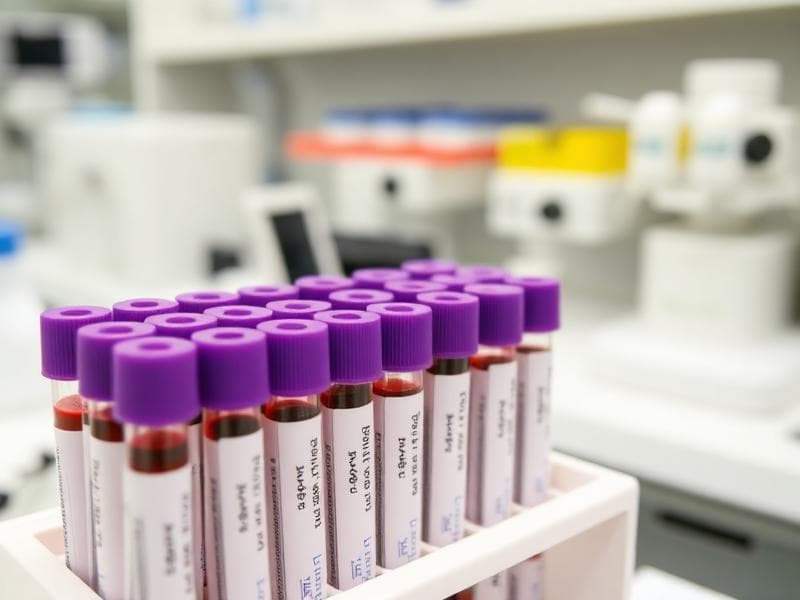
Blood Tests
MELD score, blood type, viral serology, tumour markers
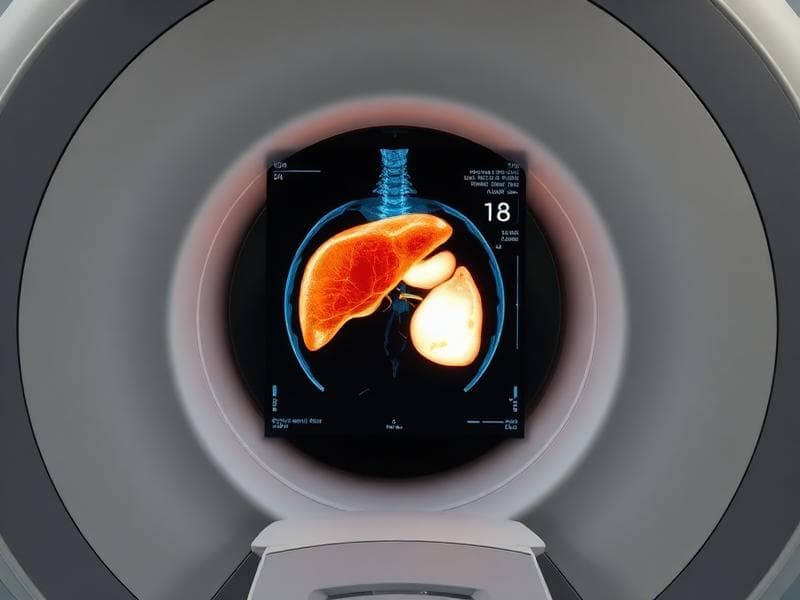
CT/MRI Imaging
Detailed liver anatomy, tumour staging, blood vessel mapping
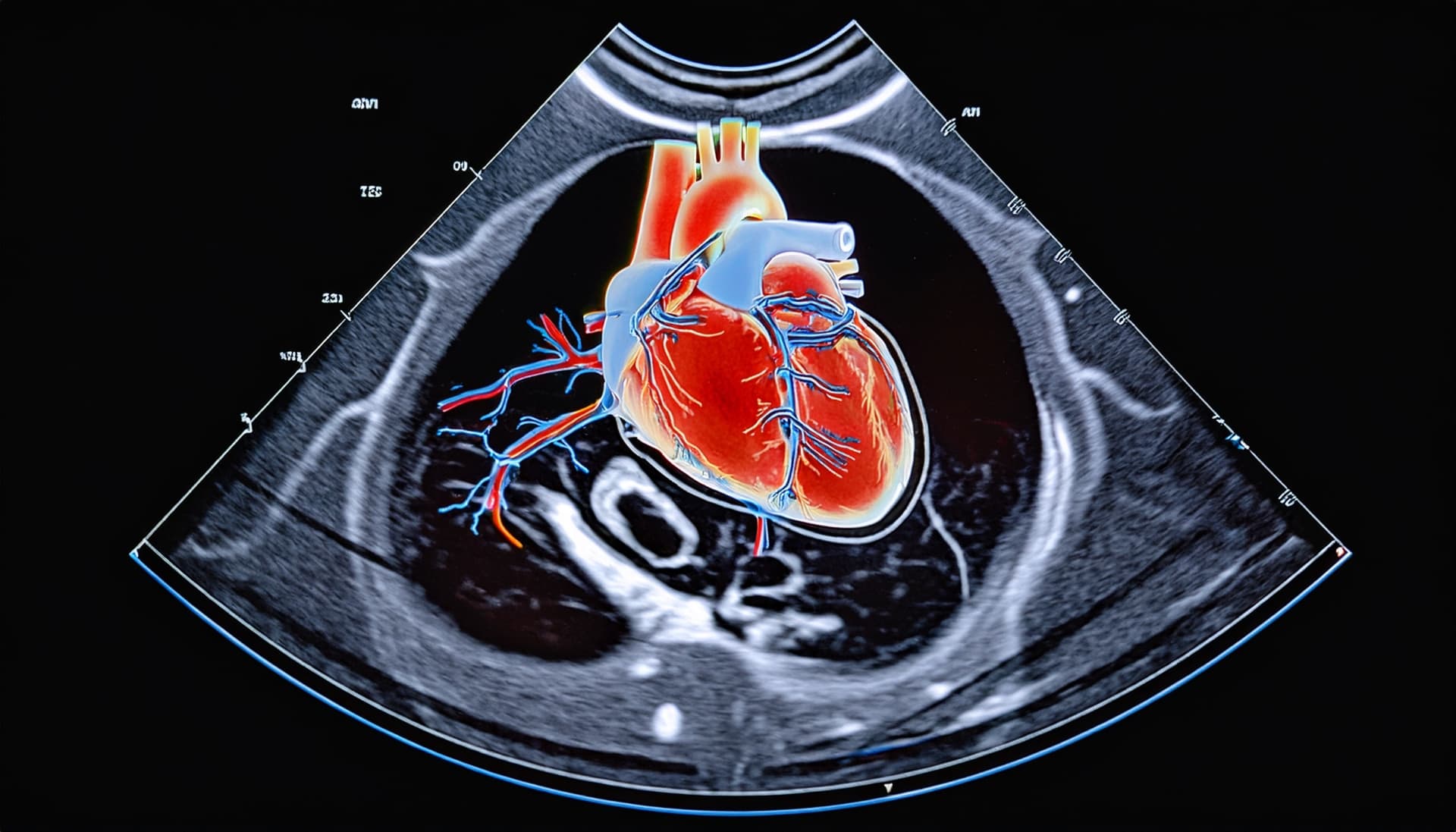
Cardiac Workup
ECG, echocardiogram, stress testing to ensure heart fitness
Life After Transplant
After a successful liver transplant, most patients can return to daily activities following a successful recovery period. However, lifelong follow-up care is essential to monitor for rejection, infection, and recurrence of the original disease.
Post-Transplant Care Includes
Specialized Transplant Hepatology Care
Dr. Prem Thurairajah is a transplant hepatologist with over 25 years of international clinical experience, including training at internationally renowned liver transplant centres:
- National University Centre for Organ Transplantation (NUCOT), Singapore – Senior Transplant Hepatologist
- National University Health System (NUHS), Singapore – Senior Consultant in Hepatology
- University of Kentucky, USA – Assistant Professor of Medicine in the Liver Transplant Unit
- St. James's University Hospital, Leeds, UK – Consultant Transplant Hepatologist
- Queen Elizabeth Hospital, Birmingham, UK – Fellowship in Transplant Hepatology at an established liver transplant programme in Europe
His specialized training allows him to manage the complete spectrum of transplant hepatology, from initial assessment and listing decisions through to long-term post-transplant care.
Considering Liver Transplant?
If you or a loved one has been told you may need a liver transplant, or if you have advanced liver disease and want to understand your options, Dr. Prem can provide clinical guidance and coordinate your care with Singapore's transplant centres.
Medical Disclaimer: The information provided on this page is for educational purposes only and is not intended as a substitute for professional medical advice, diagnosis, or treatment. Liver transplant decisions are complex and should be made in consultation with a qualified hepatologist and transplant team.
Related Conditions
You may also be interested in learning about these related conditions.