Fatty Liver
Fatty liver disease, also known as metabolic dysfunction-associated steatotic liver disease (MASLD), is a prevalent condition in Singapore, affecting approximately 1 in 3 adults. While often asymptomatic in early stages, MASLD can progress to serious liver damage, including cirrhosis and liver cancer. Clinical evidence suggests that early-stage MASLD may be manageable through lifestyle interventions, including dietary changes and increased physical activity.
Book a Consultation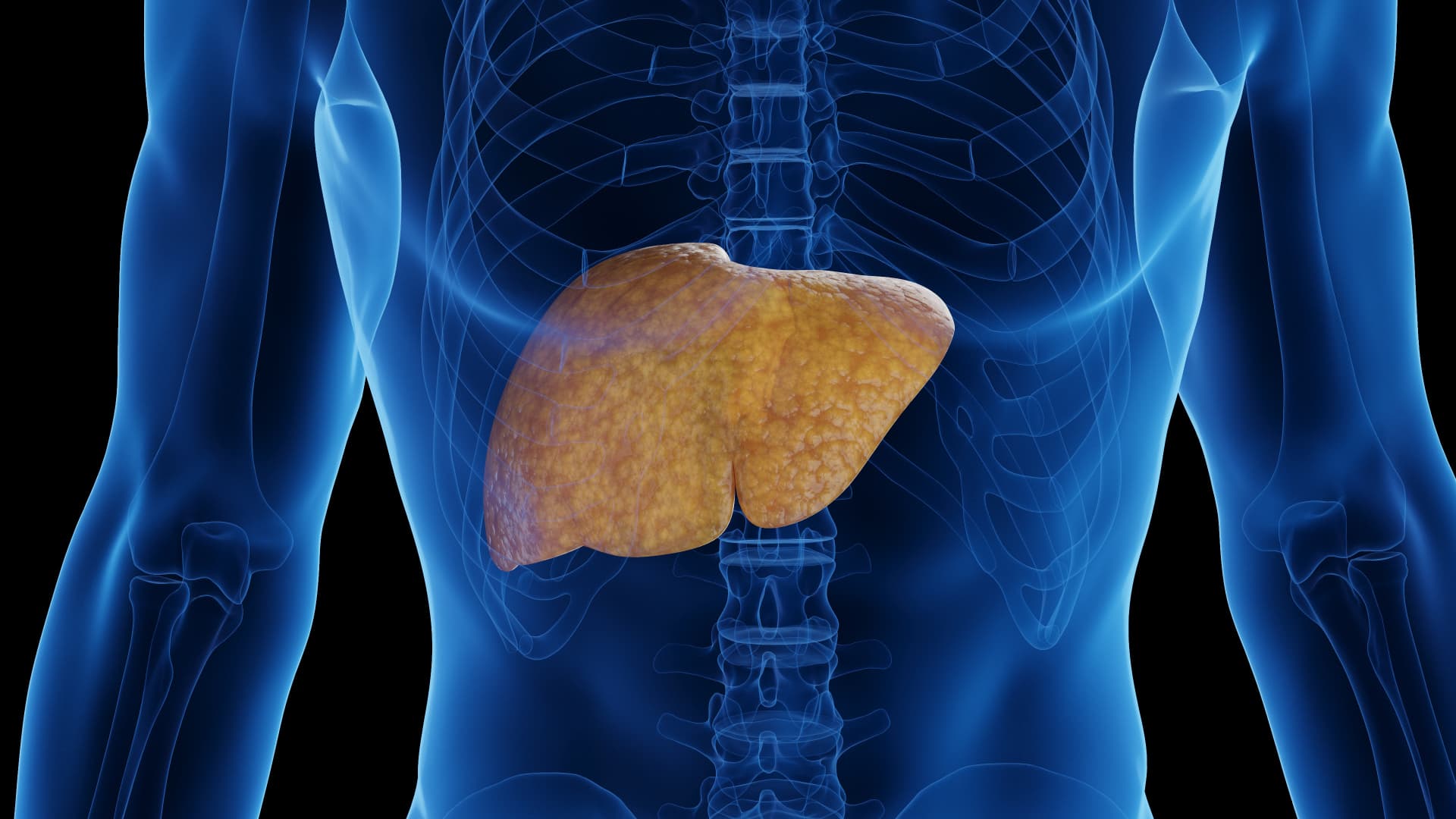
1 in 3
Adults in Singapore affected
80%
Have no symptoms initially
5-10%
Weight loss can reverse MASLD
Understanding Fatty Liver Disease
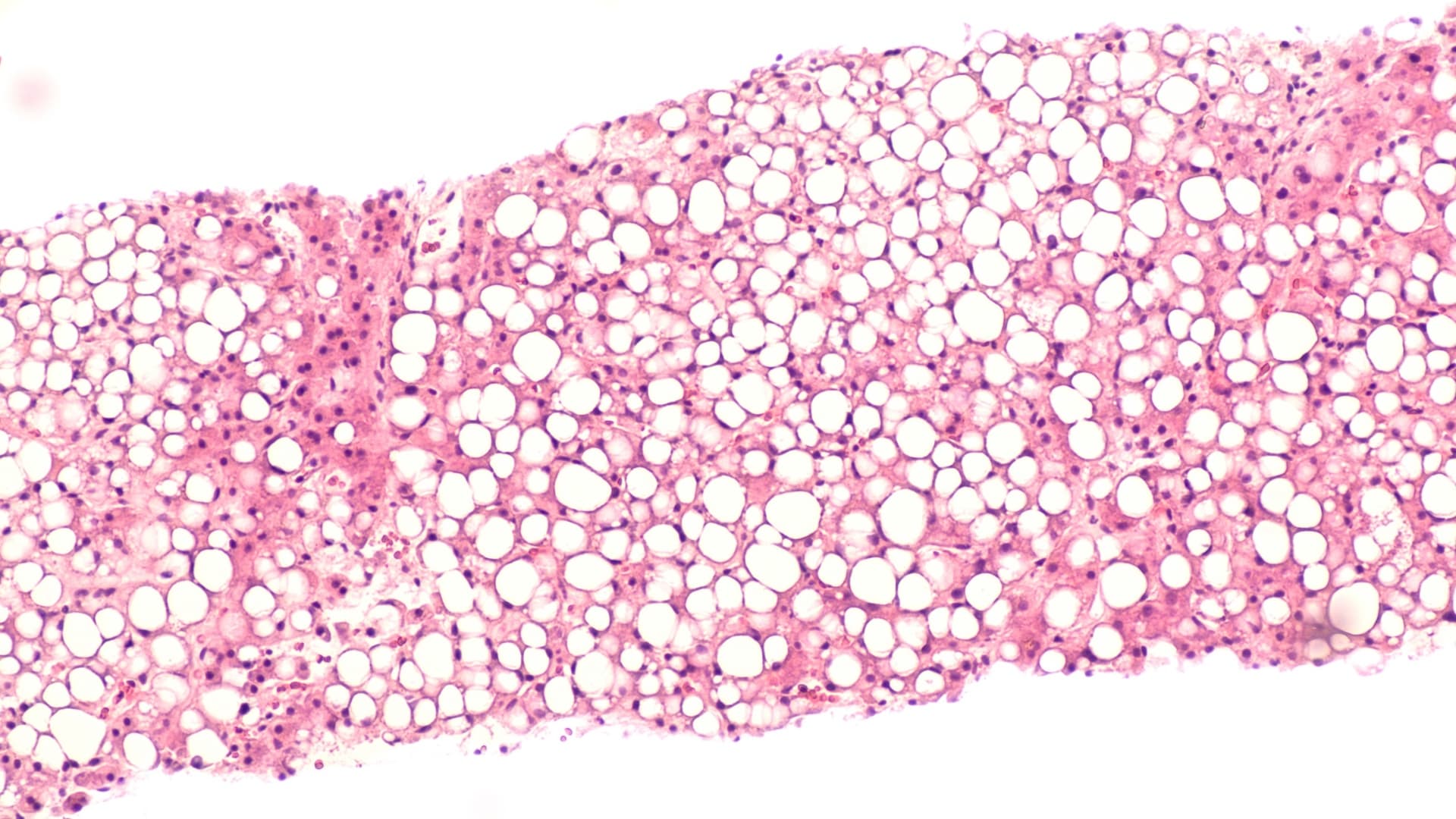
Fatty liver disease, or MASLD, occurs when excess fat accumulates in liver cells, often linked to metabolic risk factors such as obesity, diabetes, and high cholesterol. In metabolic dysfunction-associated steatotic liver disease (MASLD), this happens in people with metabolic risk factors. It is closely linked to metabolic conditions such as obesity, diabetes, and high cholesterol.
MASLD exists on a spectrum, ranging from simple fat accumulation (steatosis) to metabolic dysfunction-associated steatohepatitis (MASH), which involves inflammation and can lead to liver scarring (fibrosis) and eventually cirrhosis.
Risk Factors
Stages of Disease
Fatty liver disease can progress through several stages. Understanding where you are in this spectrum helps guide treatment intensity.
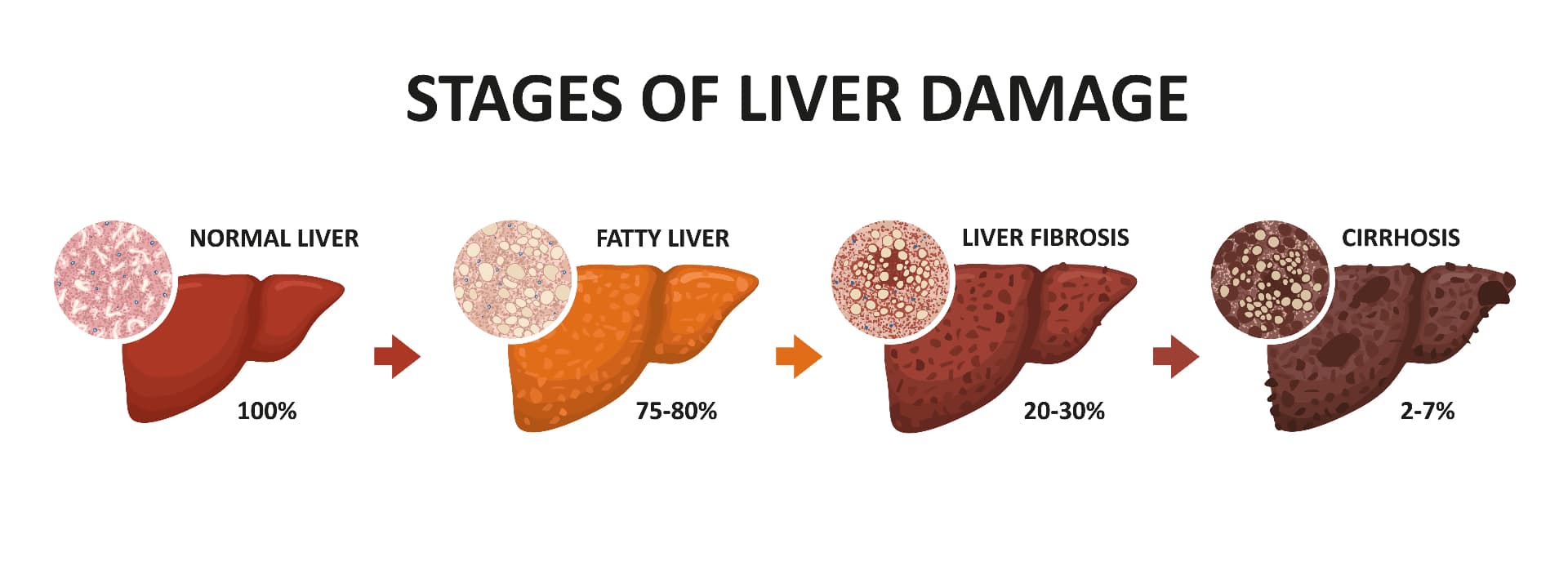
Simple Steatosis (NAFL)
Fat accumulation in the liver without significant inflammation. Generally considered benign with low risk of progression.
Steatohepatitis (MASH)
Fat accumulation with inflammation and liver cell damage. Can progress to fibrosis and cirrhosis if untreated.
Fibrosis
Scar tissue begins to form around the liver and blood vessels. Still potentially reversible with treatment.
Cirrhosis
Extensive scarring with loss of normal liver function. Increases risk of liver failure and liver cancer.
Fatty Liver Symptoms and Warning Signs
Fatty Liver often causes no symptoms at all, especially in the early stages. Many people only discover it after abnormal liver blood tests , an ultrasound scan, health screening investigation for diabetes, obesity, or high cholesterol.
When symptoms do occur, they are often quite non-specific, therefore early screening and intervention prevents chronic liver disease.
When should you seek specialist review?
You should consider seeing a gastroenterologist or hepatologist if you have:
- Persistently abnormal liver function tests
- Elevated liver enzymes (such as ALT or AST) that remain abnormal over time may require further evaluation.
- Fatty liver detected on ultrasound or imaging
- Not all fatty liver disease is harmless. Specialist assessment can help determine whether there is significant liver inflammation or fibrosis.
- Diabetes or metabolic syndrome
Patients with:
- Type 2 diabetes
- Obesity
- High blood pressure
- High cholesterol
are at increased risk of developing more advanced liver disease. Symptoms suggestive of liver disease.
Patients with:
- Persistent fatigue
- Right upper abdominal discomfort
- Unexplained weight loss
- Jaundice
- Abdominal swelling
- Leg swelling
- Evidence of liver fibrosis or cirrhosisCertain blood tests, FibroScan assessments or imaging findings may suggest liver scarring and warrant specialist input.
- Significant alcohol intakeAlcohol can contribute to liver injury and may accelerate progression of fatty liver disease.
- Family history of liver diseaseA family history of cirrhosis, fatty liver or liver cancer may increase concern for progressive disease.
Diagnosis and Assessment
Fatty liver disease is often discovered incidentally on blood tests or imaging. A detailed clinical assessment is important to determine the stage of disease and guide management.
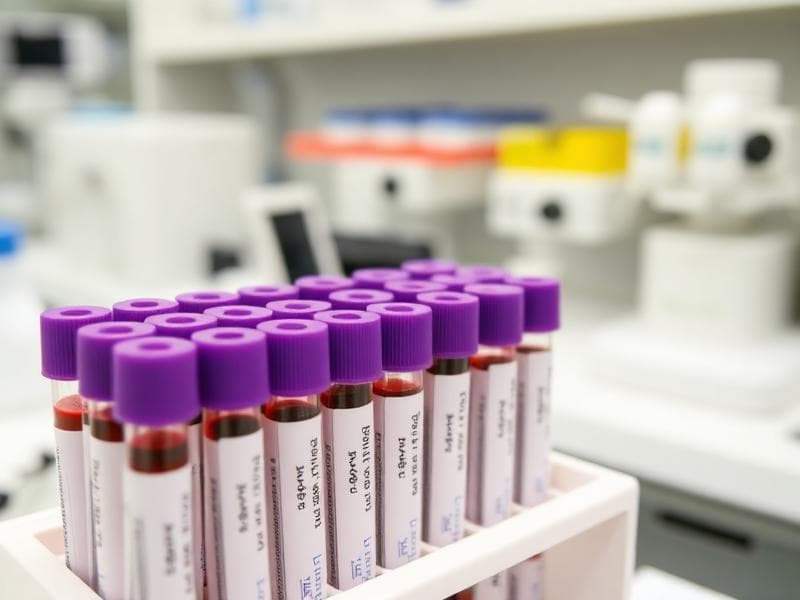
Blood Tests
Liver enzymes, metabolic panel, fibrosis scores (FIB-4, NFS)
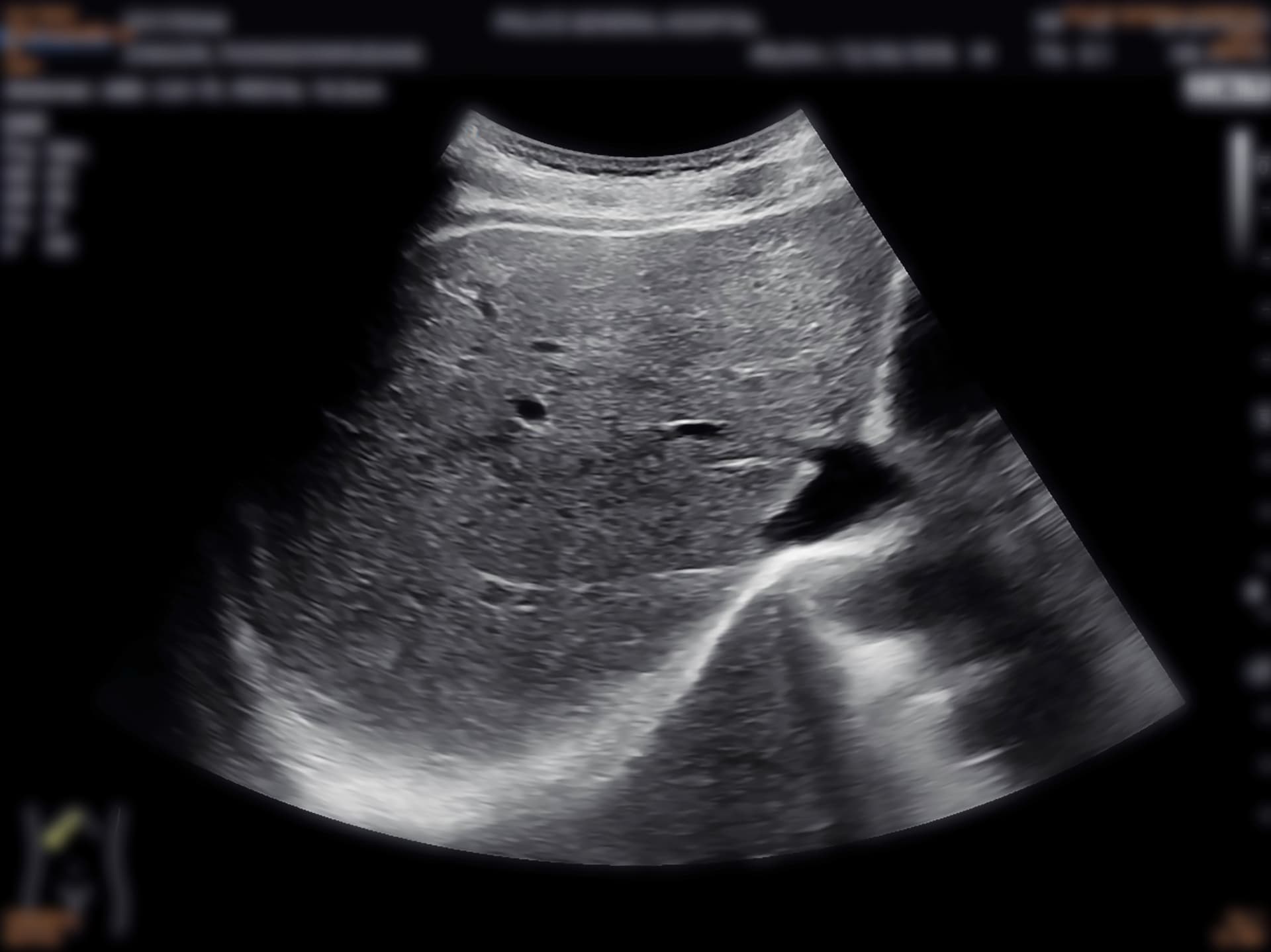
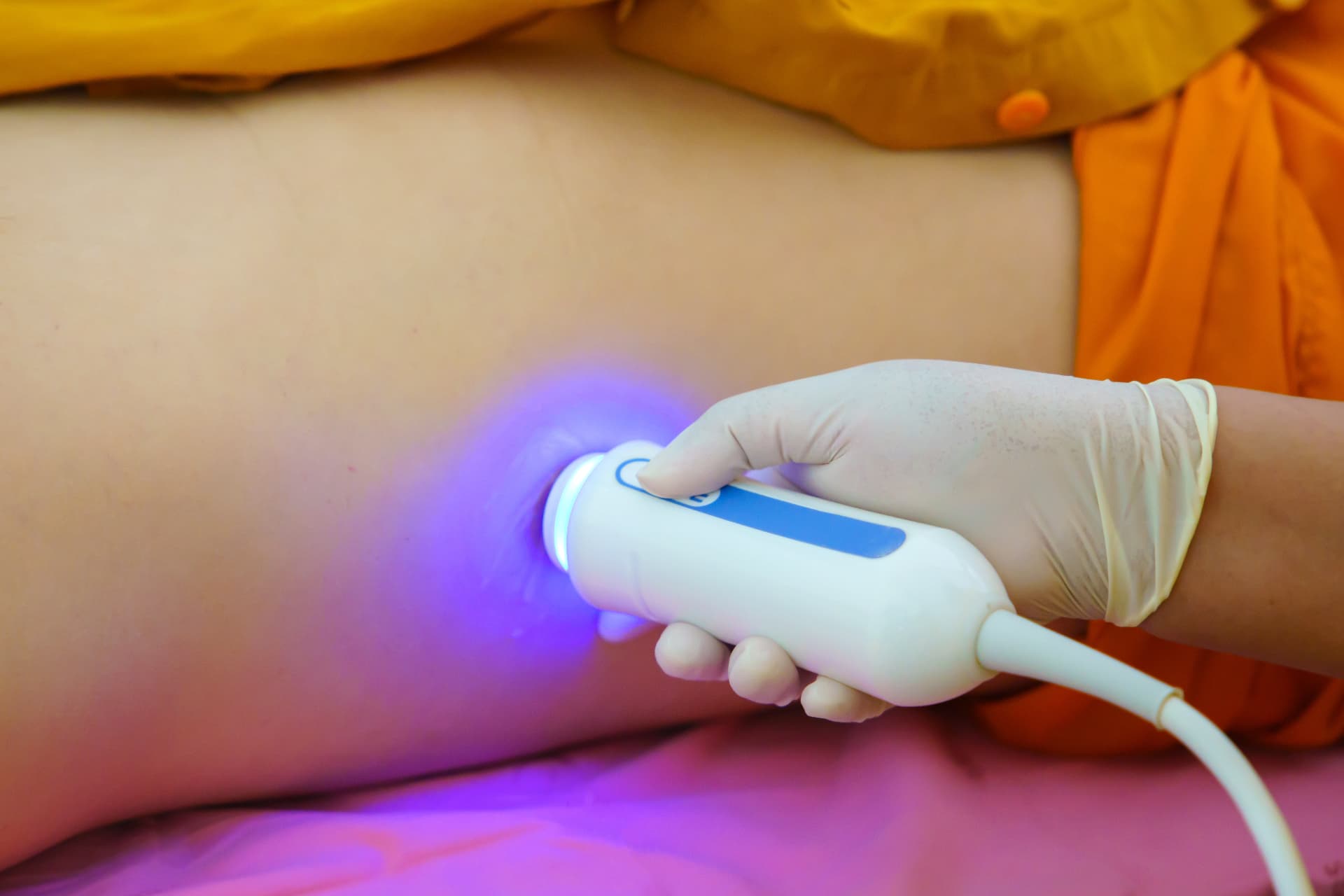
Ultrasound
Detects fatty changes and rules out other conditions
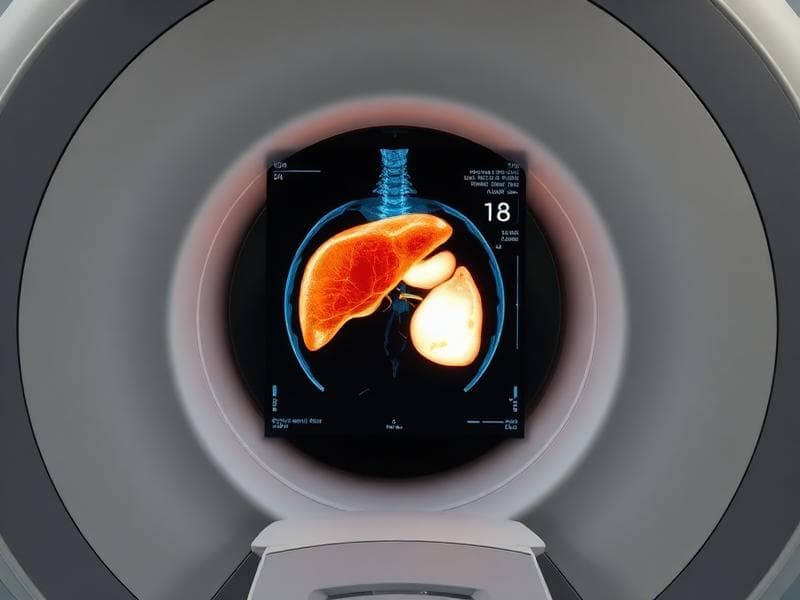
MRI-PDFF
Most accurate non-invasive method to quantify liver fat
Lifestyle-Based Treatment for Fatty Liver in Singapore
Lifestyle modification is the cornerstone of fatty liver disease treatment. Weight loss of 5-10% of body weight is associated with a reduction in liver fat, inflammation, and even fibrosis.

Mediterranean Diet
Rich in healthy fats, lean proteins, and antioxidants

Regular Exercise
150+ minutes of moderate activity weekly
Diet
- Adopt a Mediterranean-style diet rich in fruits, vegetables, whole grains, and healthy fats
- Reduce intake of refined carbohydrates and added sugars
- Limit saturated fats and avoid trans fats
- Avoid fructose-sweetened beverages and processed foods
Exercise
- Aim for at least 150 minutes of moderate-intensity aerobic exercise per week
- Include resistance training 2-3 times per week
- Reduce sedentary time and increase daily movement
- Even modest weight loss (5-10%) can significantly improve liver health
Other Lifestyle Changes
- Avoid alcohol completely or limit to minimal amounts
- Get adequate sleep (7-8 hours per night)
- Manage stress through relaxation techniques
- Stop smoking if applicable
Medical Treatments for Fatty Liver Disease
In addition to lifestyle changes, medical treatment may be recommended for patients with more advanced disease:
- GLP-1 agonists: Medications such as semaglutide have shown significant benefits in MASH
- Pioglitazone: May have benefits in diabetic patients with MASH
- Management of metabolic conditions: Optimal control of diabetes, hypertension, and dyslipidaemia
- New therapies: Several promising medications are in clinical trials and becoming available
Schedule a Clinical Assessment for Liver Health
If you have risk factors or have been told you have fatty liver, schedule a comprehensive assessment to understand your liver health and develop a personalised treatment plan.
Related Conditions
You may also be interested in learning about these related conditions.
Disclaimer: The information provided on this page is for educational purposes only and is not intended as a substitute for professional medical advice, diagnosis, or treatment. Always seek the advice of your physician or other qualified health provider with any questions you may have regarding a medical condition.