Jaundice
Jaundice is the yellowing of the skin and eyes caused by elevated bilirubin levels in the blood. It is not a disease itself but a sign of an underlying condition affecting the liver, bile ducts, or blood. Prompt evaluation is essential to identify the cause and initiate appropriate treatment.
Book a Consultation
Yellowing of the eye (scleral icterus)
When to Seek Urgent Care
Jaundice accompanied by fever, severe abdominal pain, confusion, or rapid deterioration requires immediate medical attention. These may indicate serious conditions such as acute liver failure or infection of the bile ducts (cholangitis).
Understanding Jaundice
Bilirubin is a yellow pigment produced when red blood cells break down. Normally, the liver processes bilirubin and excretes it into the bile, which then passes into the intestines and is eliminated from the body. Jaundice occurs when this process is disrupted at any stage.
The causes of jaundice can be classified based on where the problem occurs in relation to the liver. Understanding the type of jaundice helps guide the diagnostic approach and treatment.
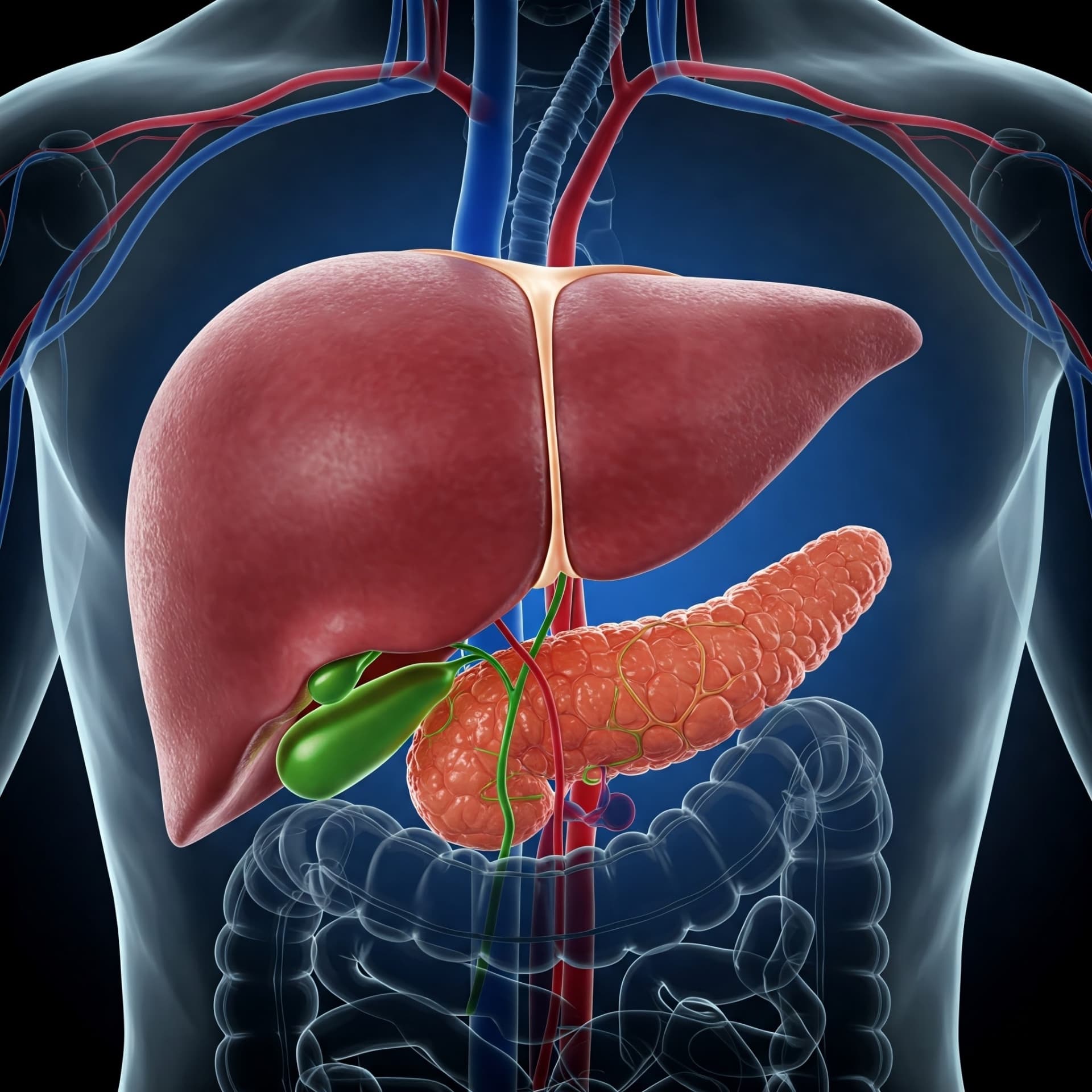
The liver and biliary system
Common Causes of Jaundice
- Viral hepatitis (A, B, C, E)
- Alcoholic liver disease
- Drug-induced liver injury
- Autoimmune hepatitis
- Liver cirrhosis
- Gallstones blocking the bile duct
- Strictures of the bile duct
- Primary Sclerosing Cholangitis (PSC)
- Primary Biliary Cholangitis (PBC)
- Pancreatic or bile duct cancer
Signs and Symptoms
Recognising the symptoms of jaundice can help you seek timely medical attention.
Yellowing of the Eyes
Yellow discoloration of the whites of the eyes (scleral icterus) is often the first visible sign of jaundice.
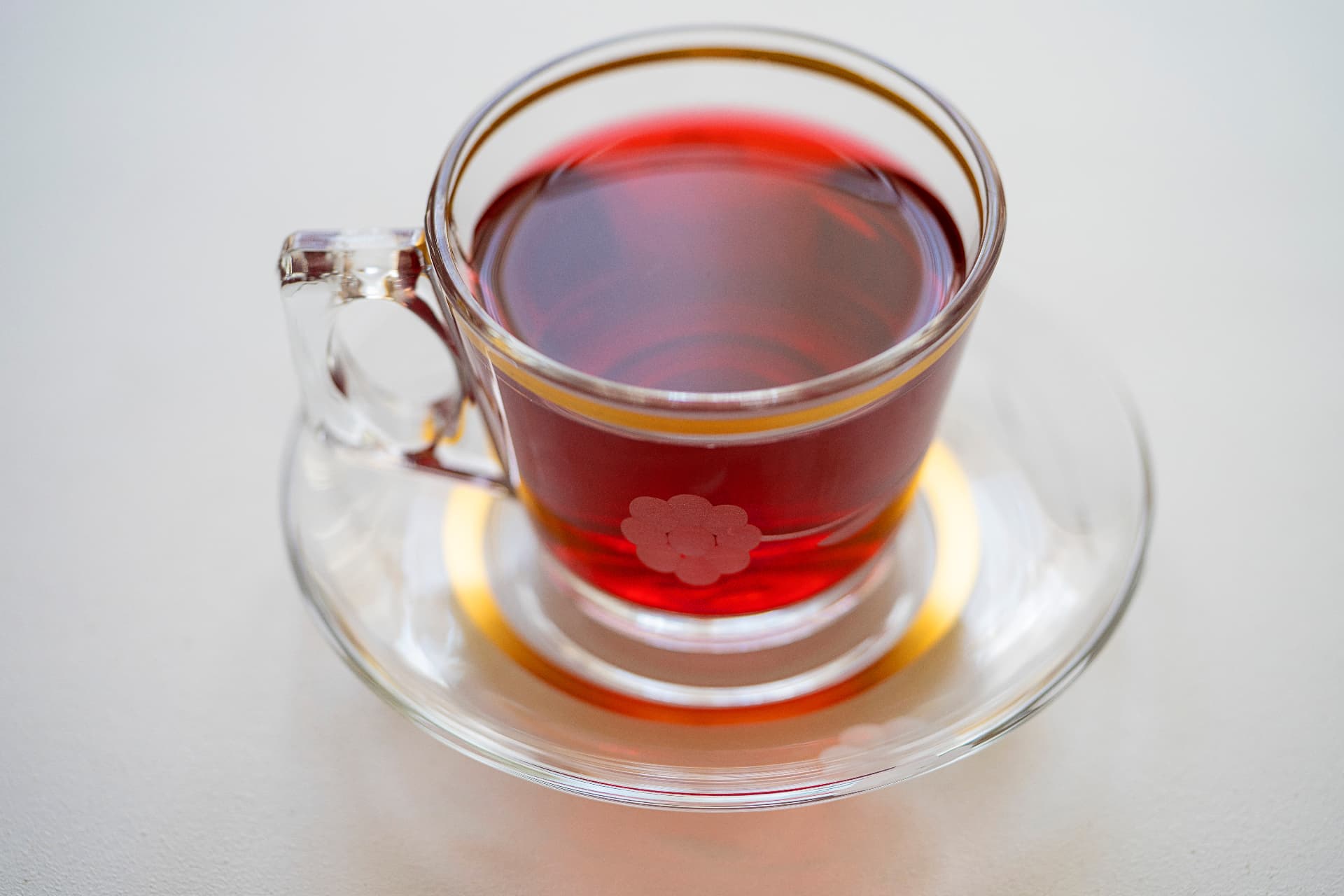
Tea-Coloured Urine
Tea-coloured or dark brown urine occurs when excess bilirubin is excreted through the kidneys.

Pale or Clay-Coloured Stools
Light-coloured stools indicate that bilirubin is not reaching the intestines, often due to bile duct blockage.
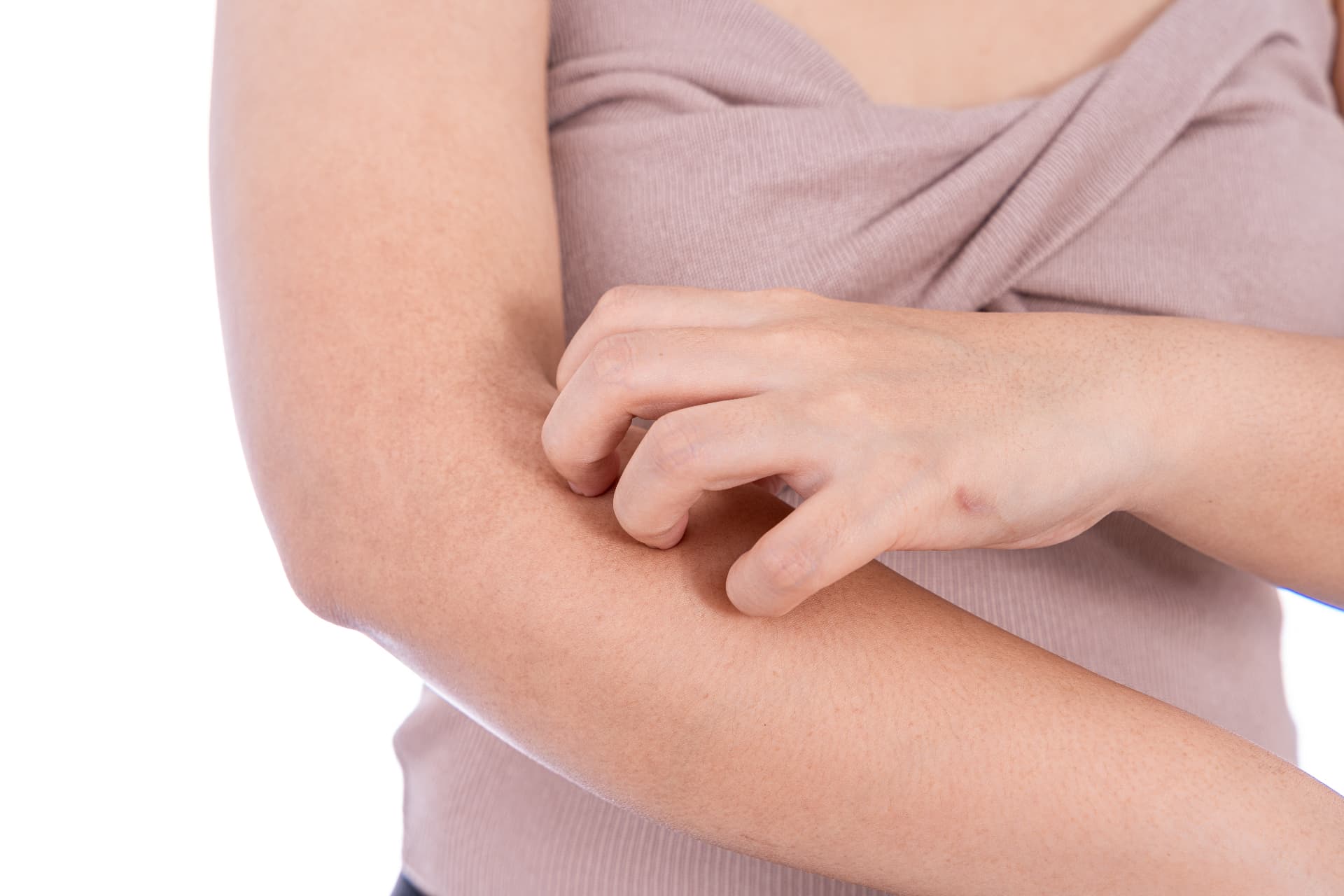
Itching (Pruritus)
Generalised skin itching is common in jaundice, especially when caused by bile duct obstruction.

Abdominal Pain
Pain in the upper right abdomen may indicate gallstones, liver inflammation, or bile duct problems.

Fatigue and Weakness
Persistent tiredness and weakness are common symptoms associated with underlying liver disease.
How Jaundice is Evaluated
A thorough evaluation is essential to determine the underlying cause of jaundice. This typically involves a combination of blood tests and imaging studies.
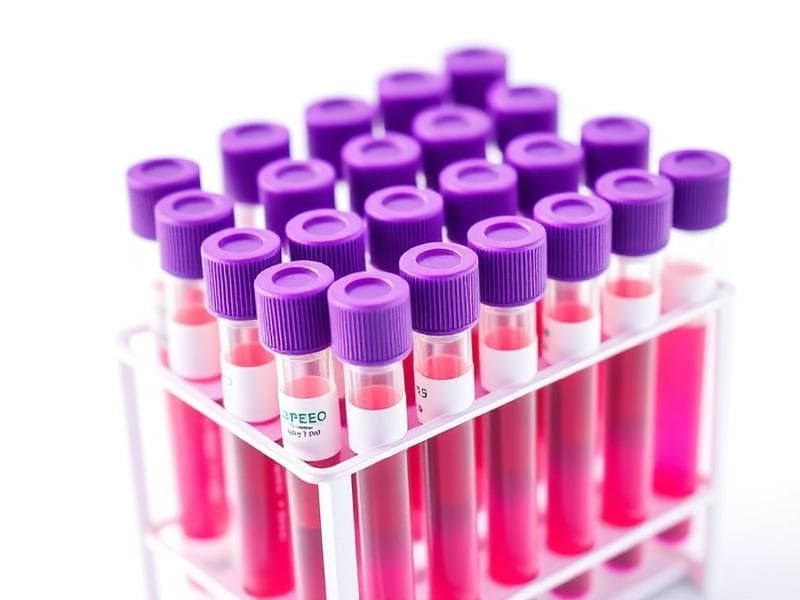
Blood Tests
Liver function tests (LFTs), bilirubin levels, complete liver screen for viral hepatitis, autoimmune causes and metabolic liver disease to identify the cause and severity.
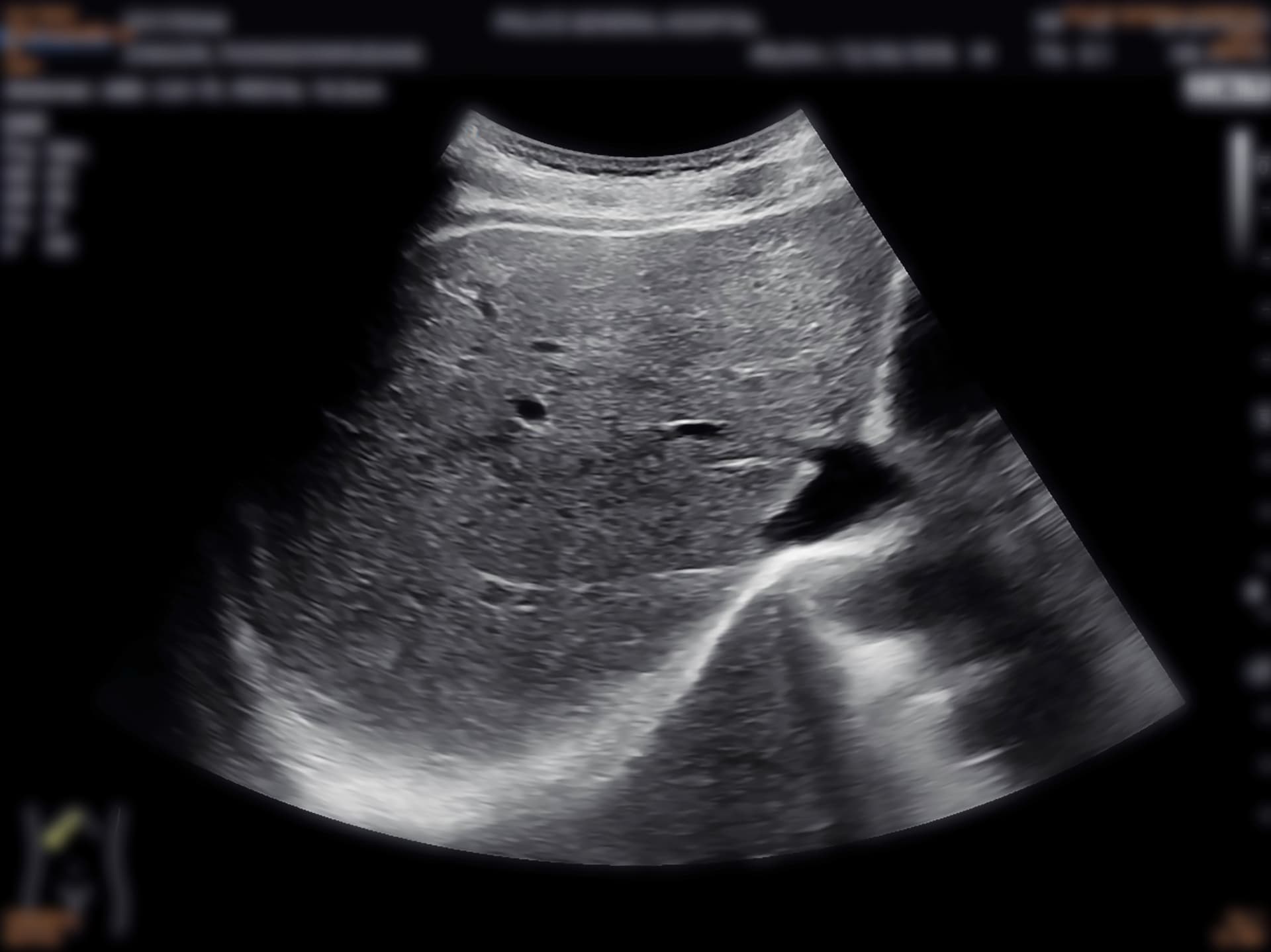
Ultrasound of the Liver
First-line imaging to assess the liver, gallbladder, and bile ducts for stones, tumours, or structural abnormalities.
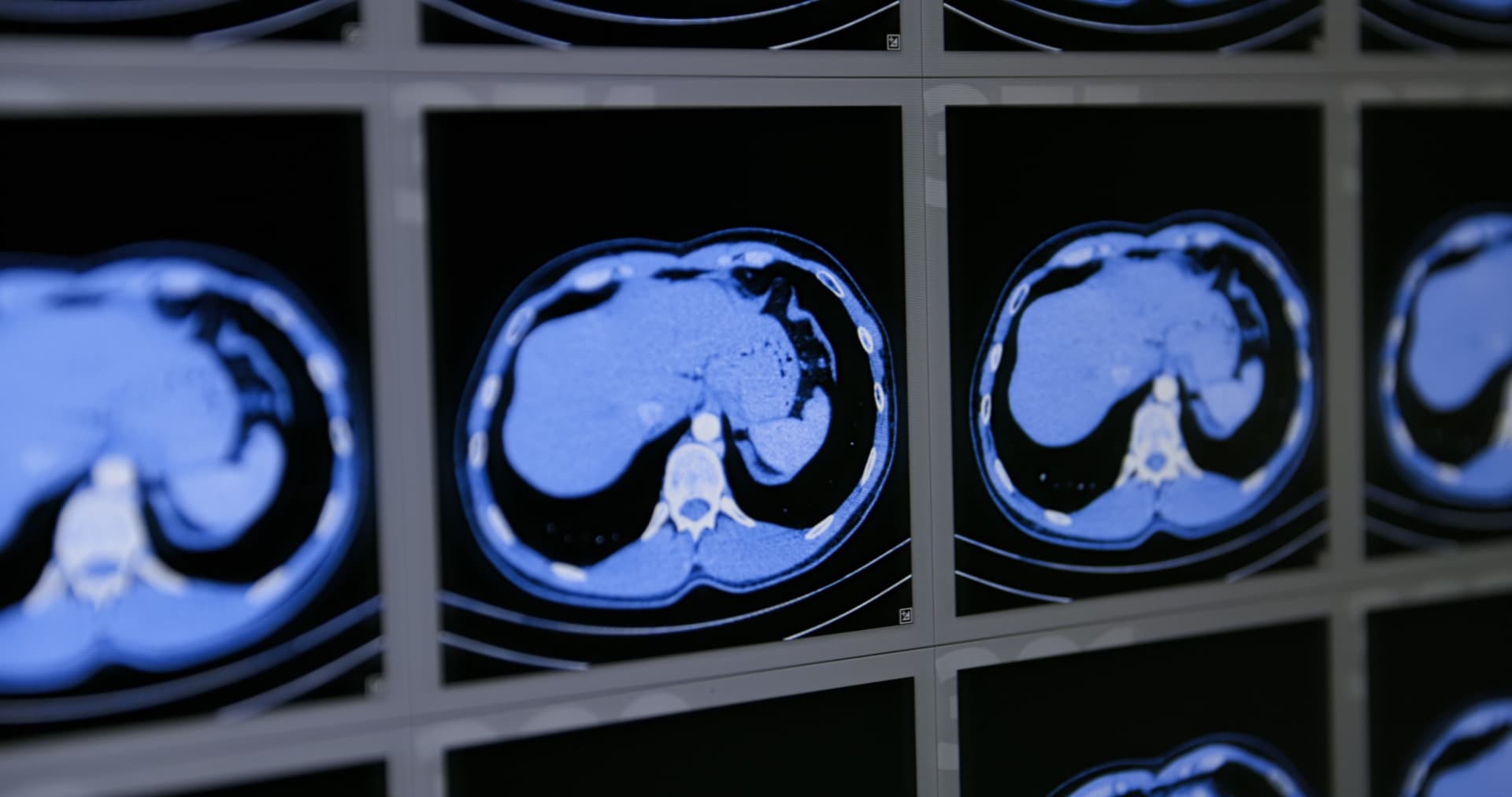
CT or MRI Scan
Detailed imaging to evaluate the liver, pancreas, and biliary system when ultrasound findings are inconclusive.
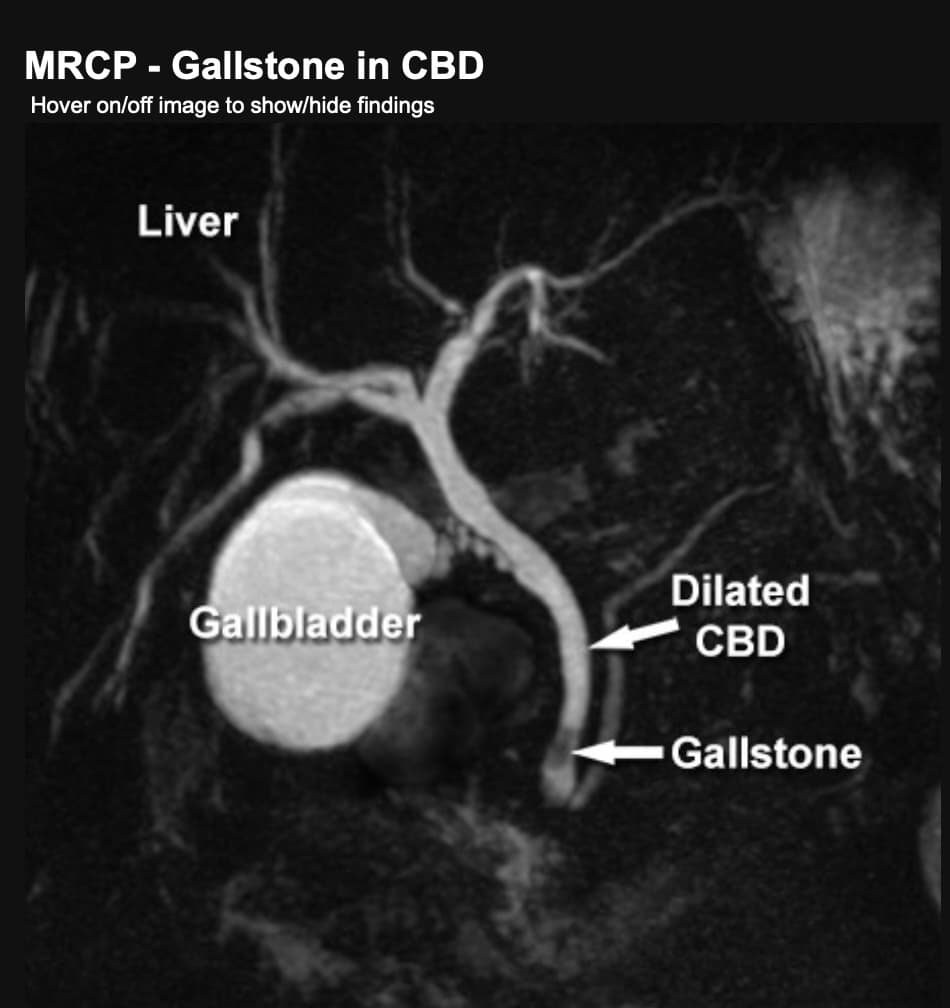
MRCP (Magnetic Resonance Cholangiopancreatography)
A specialised MRI scan that produces detailed images of the drainage ducts of the liver and pancreas. It's a non-invasive 'road map' that helps identify blockages, stones, or narrowing before deciding on treatment.
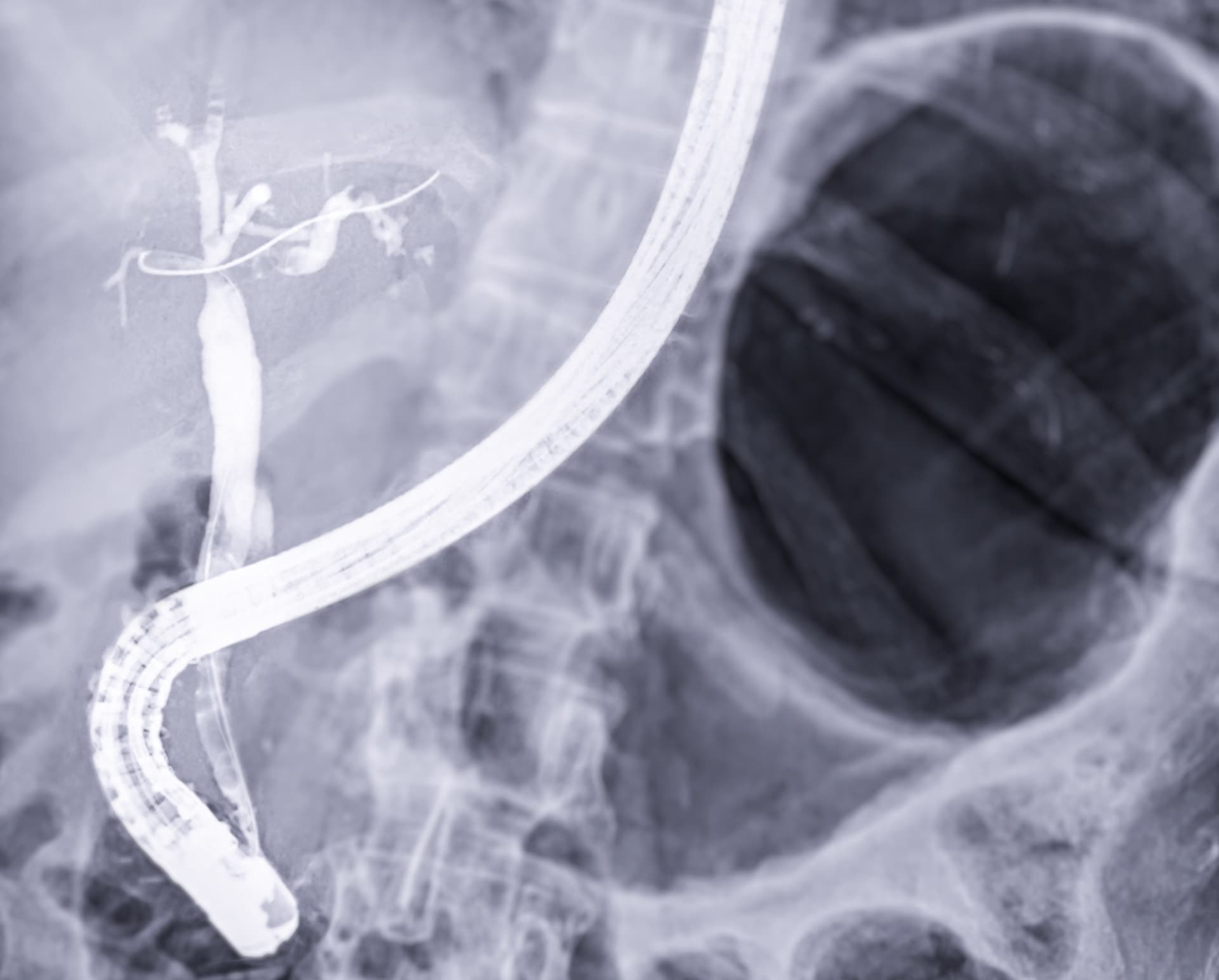
ERCP (Endoscopic Retrograde Cholangiopancreatography)
A specialised endoscopic procedure to inspect and treat blockages of the bile duct. Stones can be treated by removing them or placing a small tube (stent) to keep the duct open.
Learn more about this procedure →
Liver Biopsy
May be needed to determine the cause of liver disease when other tests are inconclusive.
Learn more about this procedure →Get Clinical Evaluation
If you or a loved one is experiencing jaundice, early evaluation is crucial. As a hepatologist with clinical experience in both liver disease and ERCP and EUS, I offer clinical care to identify the cause and provide appropriate treatment.
Related Conditions
You may also be interested in learning about these related conditions.
Disclaimer: The information provided on this page is for educational purposes only and is not intended as a substitute for professional medical advice, diagnosis, or treatment. Always seek the advice of your physician or other qualified health provider with any questions you may have regarding a medical condition.