Acid Reflux & Heartburn
Acid reflux and heartburn are common digestive symptoms caused by stomach contents flowing back into the oesophagus. When these symptoms occur frequently or cause complications, the condition is known as gastro-oesophageal reflux disease (GERD).
GERD can affect quality of life and, if left untreated, may lead to inflammation or other complications. Effective treatment focuses on controlling symptoms, identifying contributing factors and preventing long-term problems.

What Is GERD?
Gastro-oesophageal reflux disease (GERD) occurs when stomach contents repeatedly flow back into the oesophagus. Acid reflux describes this backward flow, while heartburn is the burning sensation in the chest that many people experience as a result.
Occasional acid reflux is common. GERD refers to reflux that is frequent, troublesome, or causes inflammation or other complications. Symptoms can vary considerably and are not always limited to heartburn.
Common Symptoms
When Should You See a Doctor for Acid Reflux or Heartburn?
Occasional reflux after a large or heavy meal is common and does not necessarily mean you have GERD. Medical assessment may be appropriate when symptoms become frequent, persistent, worsening or begin to interfere with everyday life.
Consider seeing a gastroenterologist if heartburn or regurgitation occurs regularly, symptoms persist despite lifestyle changes or over-the-counter treatment, reflux frequently disturbs your sleep, or persistent cough, throat irritation or hoarseness may be related to reflux.
Symptoms that need prompt medical assessment
Seek prompt medical assessment if you develop difficulty or pain when swallowing, food feeling stuck, unexplained weight loss or loss of appetite, persistent or recurrent vomiting, vomiting blood, black stools or unexplained anaemia.
New, severe or unexplained chest pain should not automatically be assumed to be acid reflux, particularly when accompanied by breathlessness, sweating, dizziness or pain radiating to the arm or jaw. Urgent medical assessment may be required.
Your doctor may recommend further investigation depending on your age, symptoms, family history and other risk factors, particularly when symptoms are new or accompanied by warning signs.
How Is GERD Diagnosed?
Diagnosis usually begins with a careful review of your symptoms, how often they occur, possible triggers, medications and lifestyle factors. In many people, the history and response to treatment provide much of the information needed.
Further investigations may be recommended when symptoms are persistent, the diagnosis is uncertain, treatment has not been effective, or warning symptoms are present.
- Gastroscopy (OGD) — examines the oesophagus and stomach for inflammation, narrowing, ulcers or other abnormalities.
- Biopsies — small tissue samples may be taken during gastroscopy when needed, for example to assess inflammation or Barrett's oesophagus.
- Oesophageal pH monitoring — measures reflux and acid exposure over a period of time when the diagnosis remains uncertain.
- Oesophageal manometry — measures oesophageal muscle function and can be useful when swallowing problems are present or before certain anti-reflux procedures.
Not everyone with reflux needs a gastroscopy or specialised testing. Investigations are selected according to your symptoms, age, risk factors and response to treatment.
Risk Factors
Understanding your risk factors can help reduce reflux symptoms and prevent complications.

Obesity
Excess weight increases abdominal pressure, pushing stomach contents into the oesophagus.
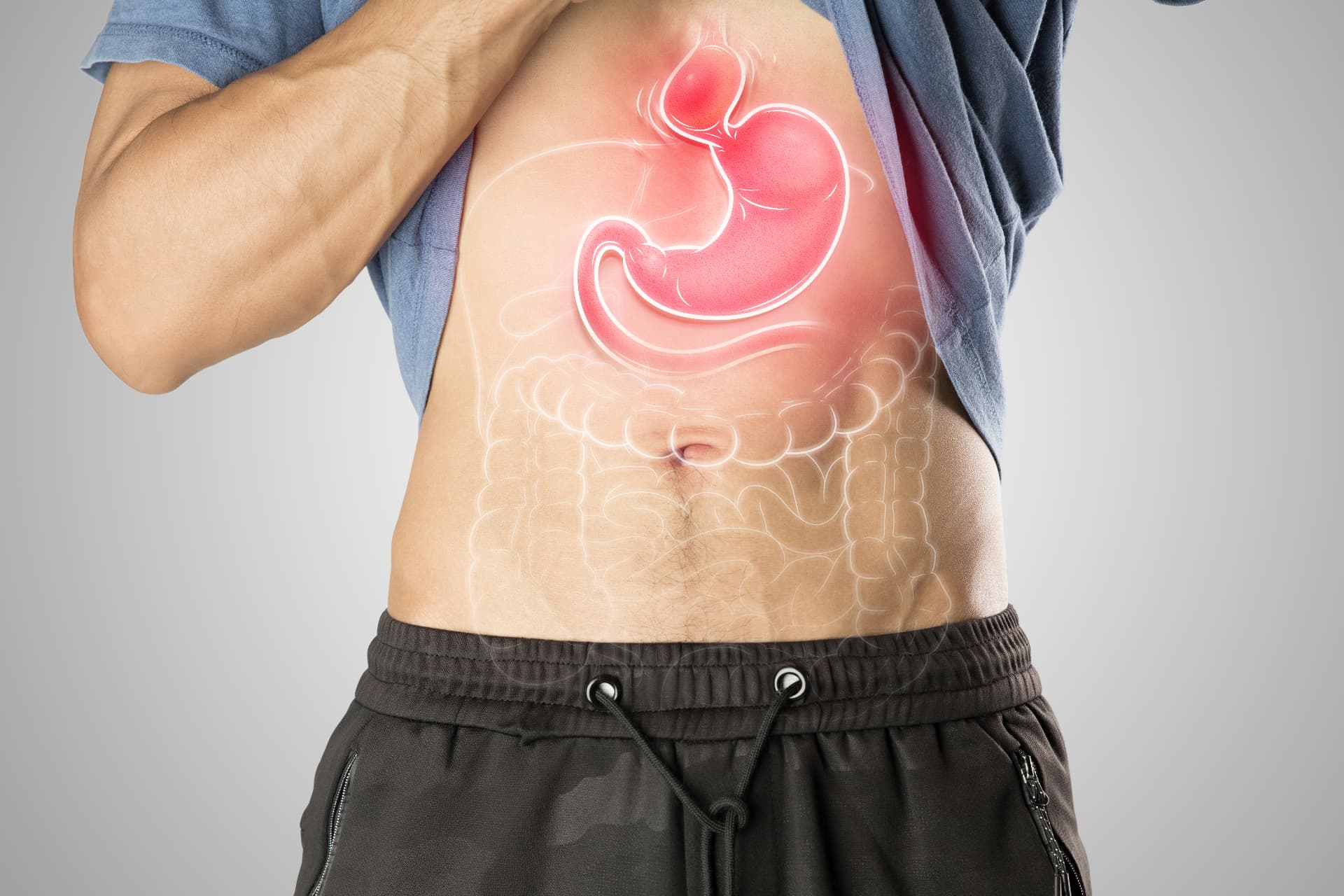
Hiatal Hernia
Part of the stomach pushes through the diaphragm, weakening the lower oesophageal sphincter.

Smoking
Tobacco relaxes the lower oesophageal sphincter and reduces saliva production.

Large or Late Meals
Eating large portions or late at night increases pressure on the stomach and reflux risk.

Trigger Foods
Fatty, fried, spicy foods, citrus, tomatoes, and chocolate can trigger symptoms.

Alcohol & Caffeine
Both relax the lower oesophageal sphincter and increase acid production.
Potential Complications
Persistent acid reflux can damage the oesophagus and, over time, lead to complications.
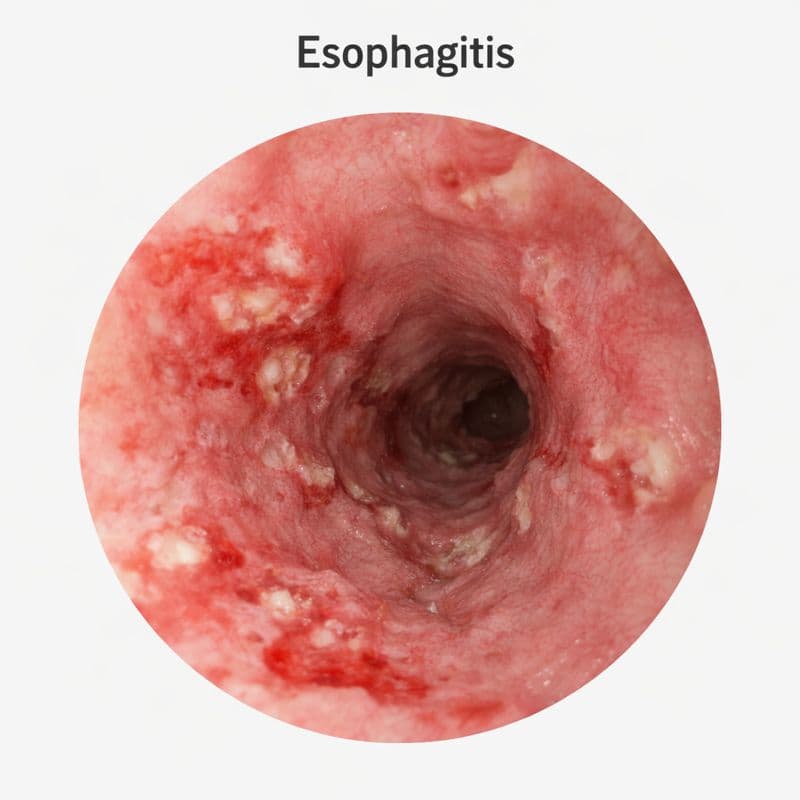
Oesophagitis
Inflammation of the oesophagus causing pain, bleeding, and ulceration from repeated acid exposure.
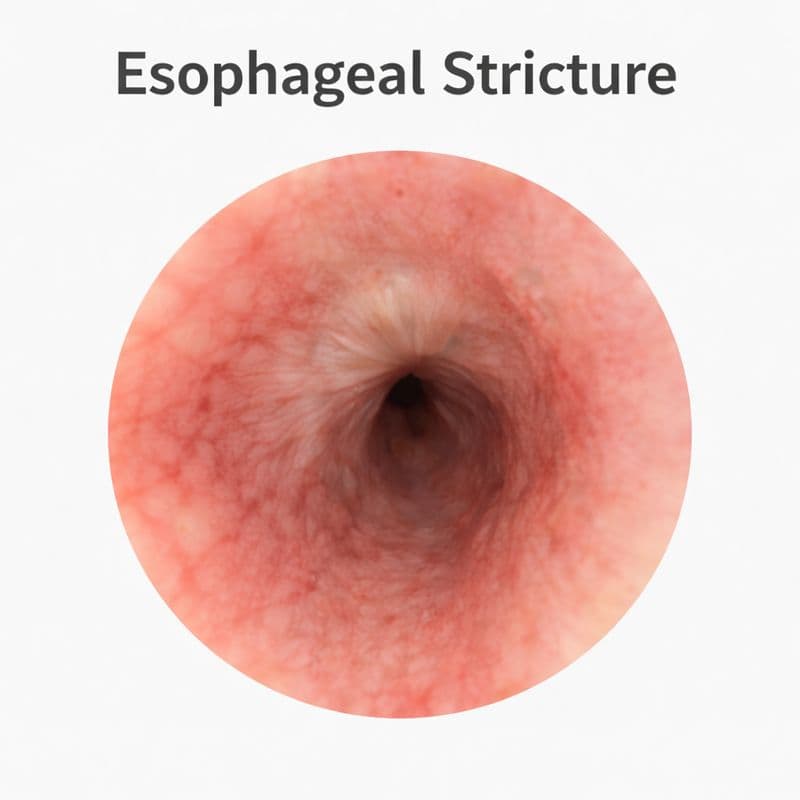
Oesophageal Stricture
Narrowing of the oesophagus due to scar tissue formation, causing difficulty swallowing.
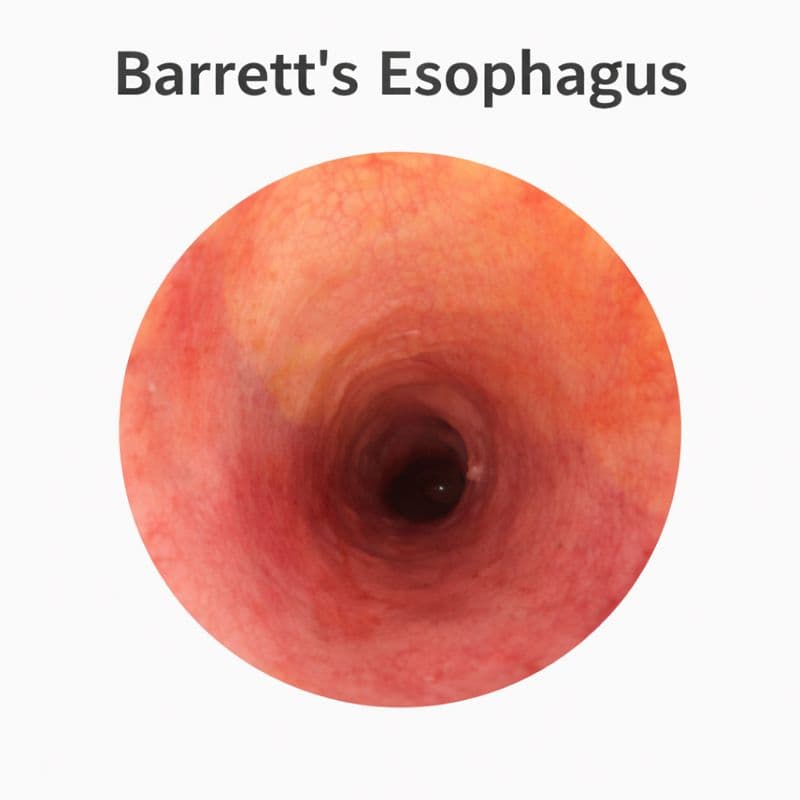
Barrett's Oesophagus
Pre-cancerous changes in the oesophageal lining requiring regular surveillance endoscopy.
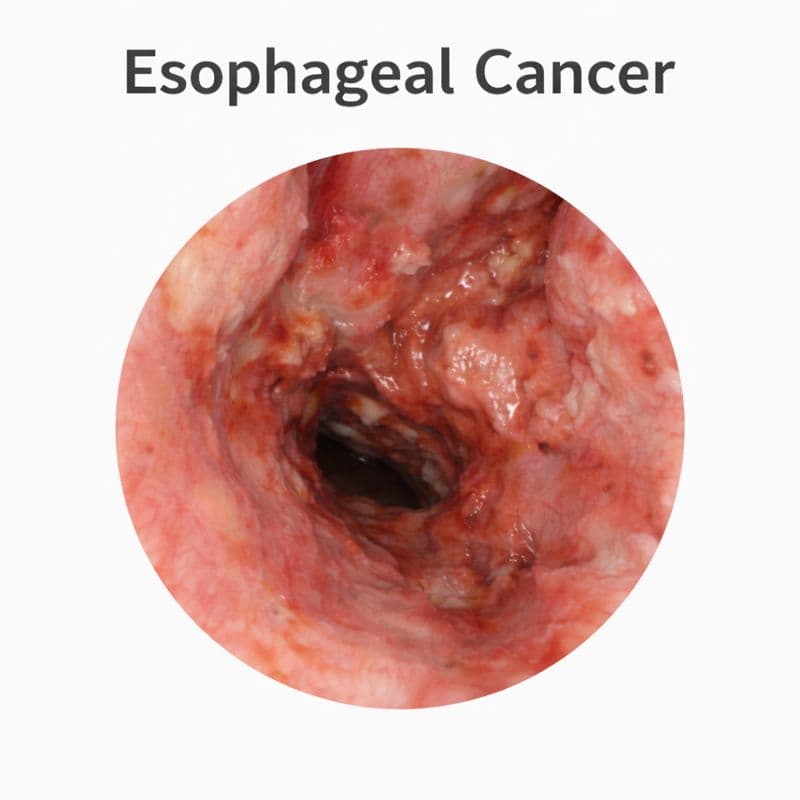
Oesophageal Cancer
Long-standing Barrett's oesophagus increases the risk of developing adenocarcinoma.
Investigations for Acid Reflux & GERD
Further tests may be needed to confirm reflux and assess the oesophagus.
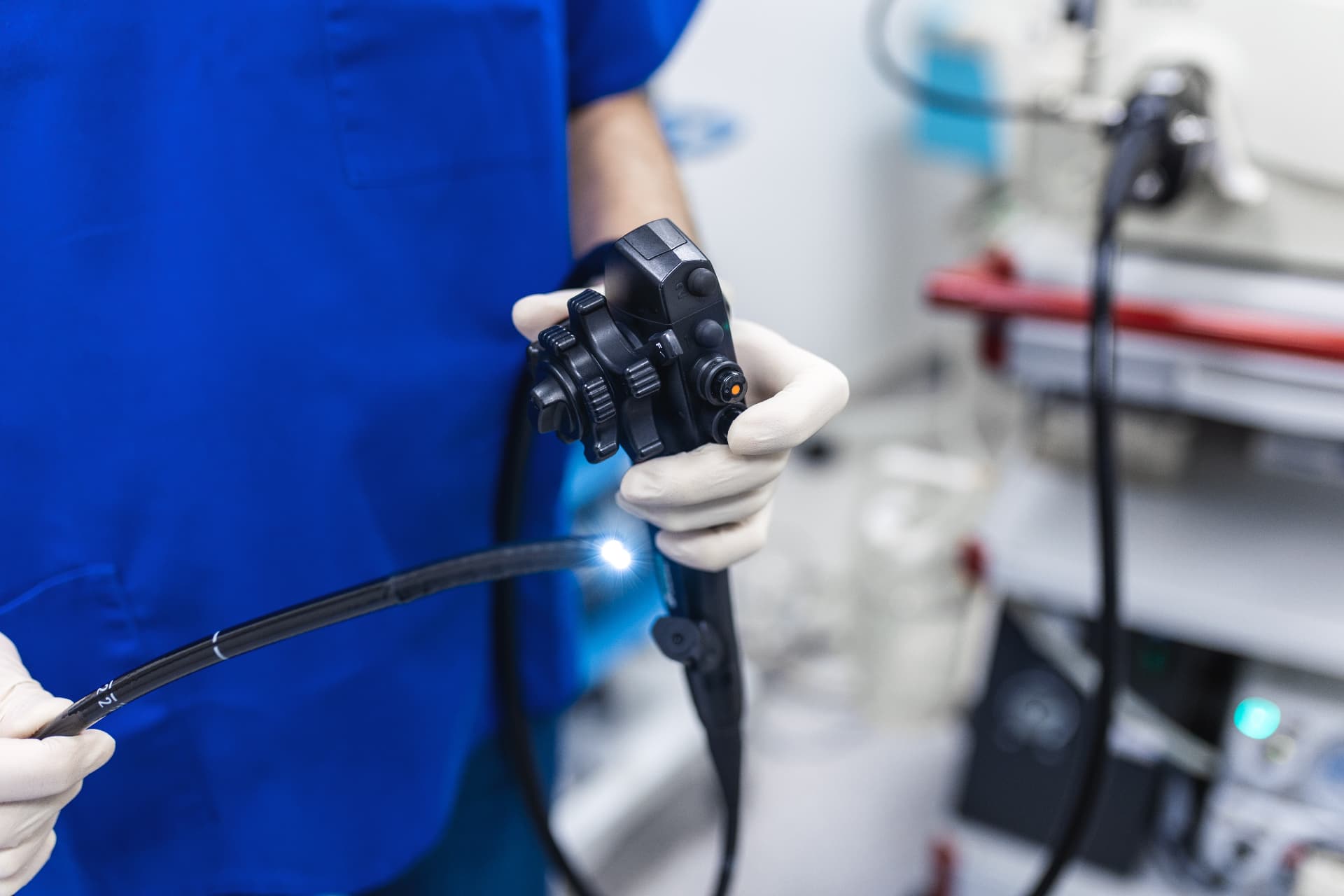
OGD (Oesophago-Gastro-Duodenoscopy)
Also known as gastroscopy, this procedure uses a thin, flexible camera (endoscope) to directly visualise the oesophagus, stomach, and duodenum.
- Detects oesophagitis (inflammation) and erosions
- Identifies Barrett's oesophagus (pre-cancerous changes)
- Allows biopsies for further analysis
- Rules out other conditions like ulcers or cancer
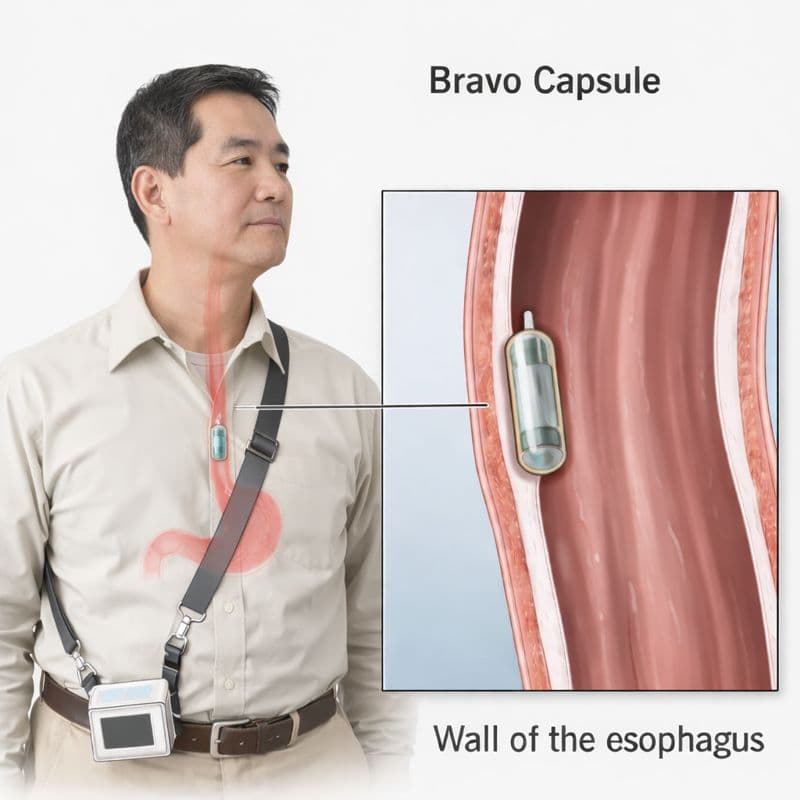
Bravo Capsule pH Monitoring
A wireless, catheter-free pH monitoring system that measures acid exposure in the oesophagus over 48-96 hours for accurate heartburn diagnosis.
- Small capsule attached to the oesophageal wall
- Transmits pH data wirelessly to a recorder
- More comfortable than traditional catheter-based tests
- Primary clinical modality for quantifying acid reflux episodes
Heartburn Treatment
Treatment for heartburn is tailored to the severity of symptoms and presence of complications:
Lifestyle Modifications
- Maintain a healthy weight
- Avoid trigger foods and late meals
- Elevate the head of your bed
- Stop smoking
- Limit alcohol and caffeine
Medical Treatment
- Antacids for occasional symptoms
- H2 blockers (e.g., famotidine)
- Proton pump inhibitors (PPIs)
- Prokinetic agents when needed
- Endoscopic or surgical options for severe cases
Frequently Asked Questions
Get Relief from Heartburn
Experiencing persistent reflux symptoms? Consult Dr. Prem Thurairajah, a leading GERD specialist in Singapore, for a comprehensive evaluation and personalised treatment options.
Related Conditions
You may also be interested in learning about these related conditions.
Disclaimer: The information provided on this page is for educational purposes only and is not intended as a substitute for professional medical advice, diagnosis, or treatment. Always seek the advice of your physician or other qualified health provider with any questions you may have regarding a medical condition.