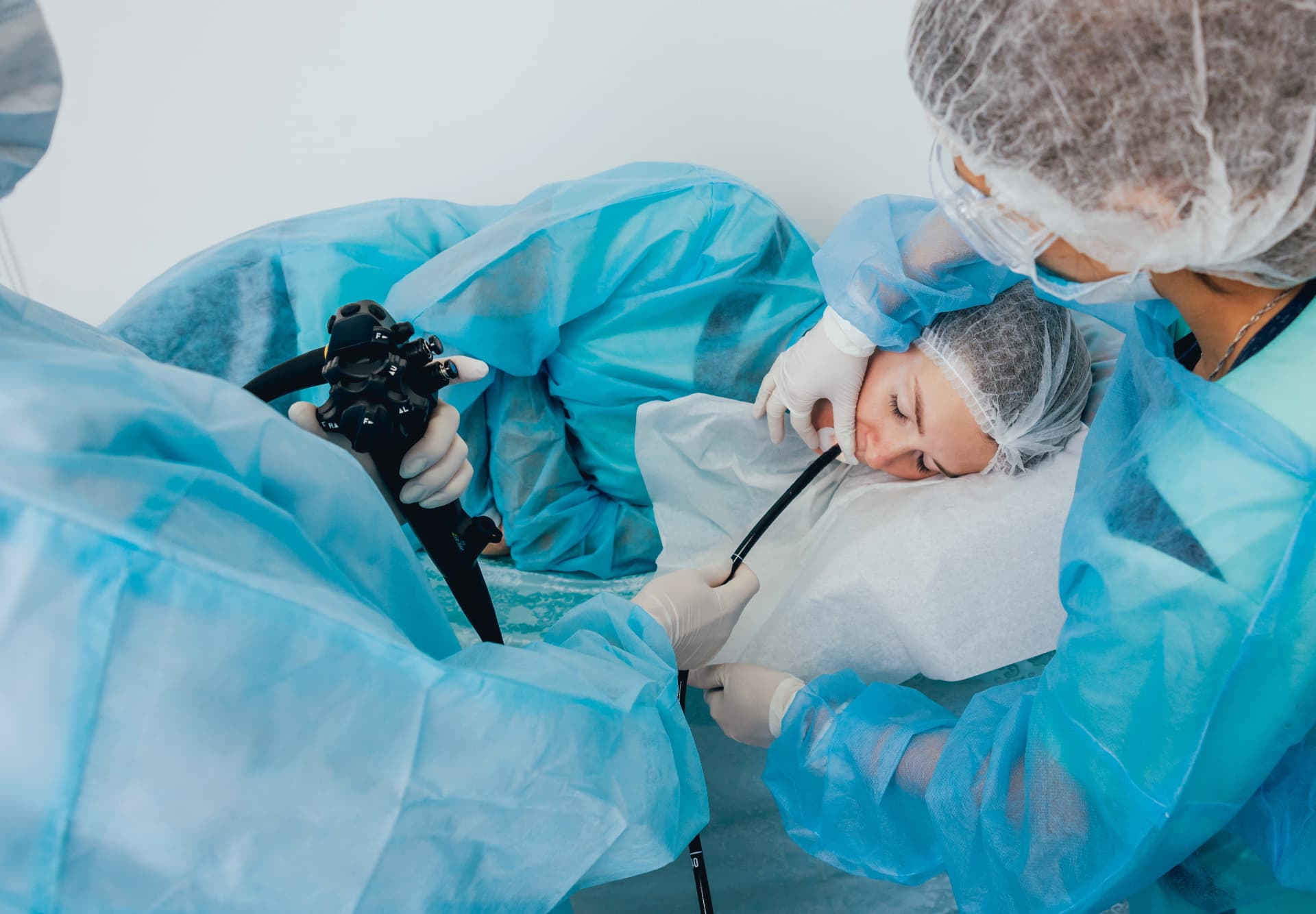
Gastroscopy (OGD) – Upper GI Endoscopy
Gastroscopy, also known as OGD (oesophago-gastro-duodenoscopy) or upper endoscopy, allows your doctor to examine the oesophagus, stomach and first part of the small intestine. During the same procedure, biopsies can be taken when needed and certain conditions can also be treated.
Book a ConsultationWhat is Gastroscopy?
Gastroscopy (OGD) involves passing a thin, flexible endoscope through the mouth to examine the oesophagus (food pipe), stomach, and duodenum (first part of the small intestine). It allows for direct visualisation, biopsy collection, and therapeutic interventions such as treating bleeding ulcers or dilating strictures.
Indications for Gastroscopy
- Persistent heartburn or acid reflux not responding to medication
- Difficulty swallowing (dysphagia)
- Unexplained nausea, vomiting, or abdominal pain
- Suspected peptic ulcer disease
- Investigation of anaemia or iron deficiency
- Surveillance of Barrett's oesophagus
- Screening for gastric cancer in high-risk individuals
Who May Need a Gastroscopy?
Symptoms that may require gastroscopy
- Heartburn
- Difficulty swallowing
- Abdominal pain
- Bloating
- Anaemia
- Unexplained weight loss
- Recurrent vomiting
Gastroscopy for Screening
Gastroscopy may be considered for people at increased risk of gastric cancer, including those with a strong family history. Your individual risk and the need for screening or surveillance can be discussed during consultation.
When to Seek Urgent Medical Attention
- Weight loss
- Difficulty swallowing
- Vomiting blood
- Passing black tarry stools
What Can a Gastroscopy Detect or Treat?
A gastroscopy allows your gastroenterologist to examine the lining of the oesophagus (food pipe), stomach and the first part of the small intestine (duodenum). It helps identify the cause of symptoms such as persistent heartburn, difficulty swallowing, upper abdominal pain, unexplained nausea, vomiting, anaemia, or gastrointestinal bleeding.
Conditions a Gastroscopy Can Detect
- Acid reflux disease (GERD) and inflammation of the oesophagus (oesophagitis)
- Barrett's oesophagus, a condition associated with long-standing reflux
- Inflammation of the stomach (gastritis) and duodenum (duodenitis)
- Stomach and duodenal ulcers
- Helicobacter pylori (H. pylori) infection
- Coeliac disease and other causes of malabsorption
- Difficulty swallowing (dysphagia) due to narrowing, strictures, rings or webs
- Hiatus hernia
- Stomach polyps
- Abnormal growths, tumours, and early cancers of the oesophagus, stomach or duodenum
- Sources of upper gastrointestinal bleeding, including ulcers, varices and vascular abnormalities
What Can Be Treated During a Gastroscopy?
In addition to diagnosis, a gastroscopy can often be used to perform treatment during the same procedure, including:
- Taking biopsies (small tissue samples) for laboratory analysis
- Removing selected polyps
- Stretching (dilating) narrowed areas of the oesophagus
- Treating bleeding ulcers or blood vessels
- Managing oesophageal varices (swollen veins) with banding therapy
- Removing certain swallowed foreign objects
A gastroscopy is one of the most effective ways to diagnose and treat conditions affecting the upper digestive tract, often without the need for surgery.
When a Biopsy May Be Performed
During a gastroscopy, your doctor may take a small tissue sample (biopsy) from the lining of the oesophagus, stomach, or duodenum. This is a routine part of the procedure and is completely painless, as the digestive tract does not contain the same pain-sensitive nerves as the skin.
A biopsy may be performed to:
- Test for infections such as Helicobacter pylori (H. pylori)
- Assess inflammation in the oesophagus, stomach, or small intestine
- Investigate conditions such as coeliac disease
- Evaluate ulcers or abnormal areas seen during the examination
- Check for precancerous changes or cancer
The tissue samples are sent to a specialised laboratory for detailed analysis by a pathologist. Results are usually available within a few days, and your doctor will discuss the findings and any recommended treatment or follow-up care with you.
Therapeutic Procedures During a Gastroscopy
In some cases, treatment can be performed during the same procedure, avoiding the need for additional interventions. Depending on your condition, this may include:
- Removing polyps (small growths)
- Taking biopsies (tissue samples) for further analysis
- Treating bleeding ulcers or blood vessels
- Dilating (widening) a narrowed section of the oesophagus
- Treating oesophageal varices (enlarged veins)
- Placing a feeding tube when required
- Removing certain swallowed foreign objects
Your doctor will discuss any planned therapeutic procedures with you before your gastroscopy.
What Are the Risks and Complications of Gastroscopy?
Gastroscopy is a safe and commonly performed procedure. Serious complications are uncommon, and most patients experience no significant problems.
Common Mild Side Effects
After the procedure, you may experience:
- A mild sore throat for one to two days
- Bloating or a feeling of fullness due to the air used during the examination
- Temporary nausea, drowsiness, or dizziness from the sedation
These symptoms are usually mild and resolve on their own within a short period.
Uncommon Risks
Although rare, potential complications include:
- Bleeding, particularly if biopsies are taken or polyps are removed
- Perforation (a tear in the wall of the oesophagus, stomach, or intestine)
- Adverse reactions to sedation or medications
- Aspiration (stomach contents entering the lungs)
- Infection, although this is very uncommon
How Risks Are Reduced
Your safety is our priority. Before the procedure, your gastroenterologist will review your medical history, allergies, and current medications. The procedure is performed using modern equipment and strict infection-control standards.
Throughout the examination, your heart rate, blood pressure, and oxygen levels will be monitored by trained healthcare professionals. Our team will continue to observe you during your recovery to ensure you are comfortable and ready to go home safely.
How Do I Prepare for a Gastroscopy?
To allow a clear view of the upper digestive tract, your stomach must be empty.
Fasting Instructions
- Do not eat or drink for at least 6 hours before your procedure.
- Small sips of plain water may be permitted up to 2 hours before your appointment, unless advised otherwise.
- Follow the specific fasting instructions provided by your doctor or endoscopy team.
Which Medicines Should I Stop or Continue?
Most regular medications can be taken with a small sip of water on the day of the procedure. However, certain medicines may require special instructions:
- Blood-thinning medications (such as warfarin, apixaban, rivaroxaban, aspirin, or clopidogrel)
- Diabetes medications, including insulin
- Iron supplements
Please do not stop any prescribed medication without consulting your doctor. Our team will provide personalised guidance based on your medical condition and the type of procedure planned.
What to Bring on the Day
Please bring the following:
- Your appointment letter and any completed forms
- A list of your current medications
- Your identification and insurance documents (if applicable)
- Comfortable, loose-fitting clothing
- Any relevant medical records or investigation results
If you are having sedation, you must arrange for a responsible adult to accompany you home. You should not drive, operate machinery, sign important documents, or consume alcohol for the remainder of the day.
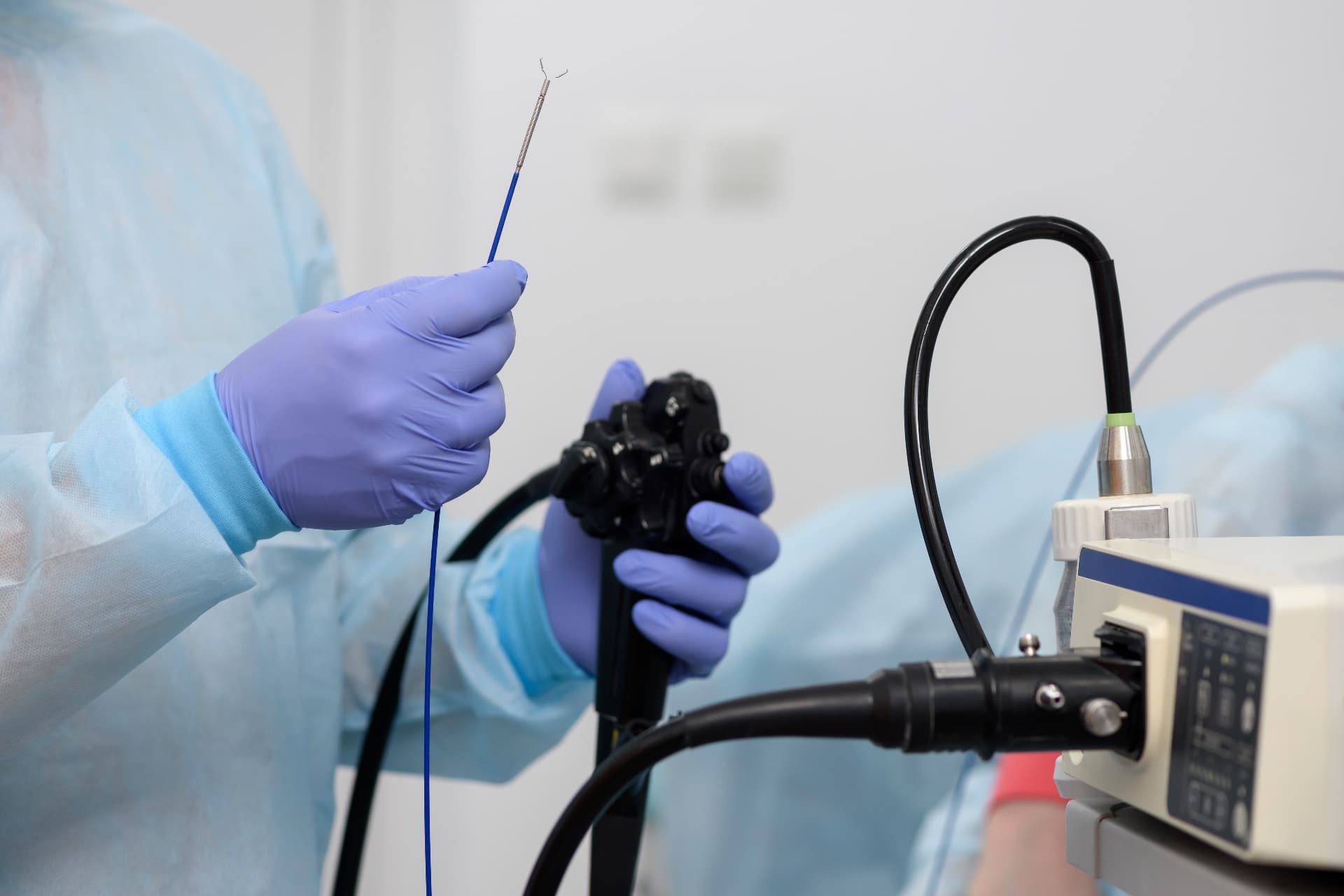
Biopsy forceps for tissue sampling during gastroscopy
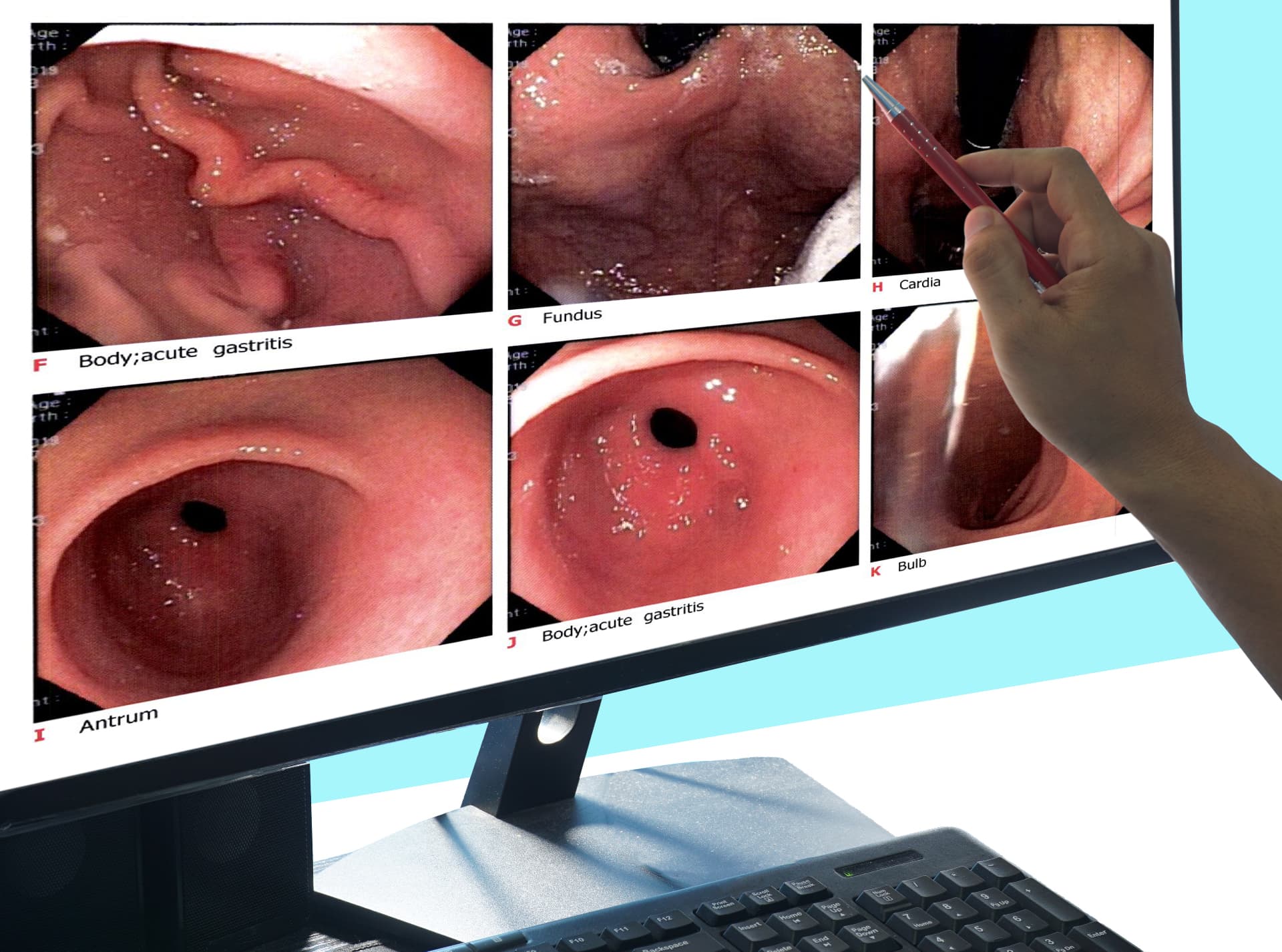
Clear endoscopic views of stomach anatomy
What to Expect During Gastroscopy
Before
You will be given sedation through an IV line to ensure comfort. Your vital signs will be monitored throughout.
During
A thin, flexible tube with a camera is passed through the mouth to examine the oesophagus, stomach, and duodenum. The procedure takes 10-15 minutes.
After
You will rest in the recovery area until the sedation wears off. You may experience mild bloating. Results are usually discussed the same day.
Frequently Asked Questions
Common questions about gastroscopy safety and what to expect.
Schedule Your Procedure
If you have symptoms requiring investigation or would like to discuss whether gastroscopy is appropriate for you, book a consultation to discuss your needs.
Disclaimer: The information provided on this page is for educational purposes only and is not intended as a substitute for professional medical advice, diagnosis, or treatment. Always seek the advice of your physician or other qualified health provider with any questions you may have regarding a medical procedure.