Epigastric Pain
Epigastric pain—discomfort in the upper abdomen—is one of the most common reasons for gastroenterology consultations. Understanding the underlying cause is essential for effective treatment and preventing complications.
Book a Consultation
Understanding Epigastric Pain
Epigastric pain refers to discomfort in the upper central abdomen, just below the breastbone. It can arise from various conditions affecting the stomach, duodenum, oesophagus, or surrounding organs. Common causes include H. pylori infection, gastritis, and peptic ulcer disease.
Common Symptoms
Common Causes
The most common causes of epigastric pain are H. pylori infection, gastritis, and peptic ulcer disease. Identifying the underlying cause is crucial for effective treatment.
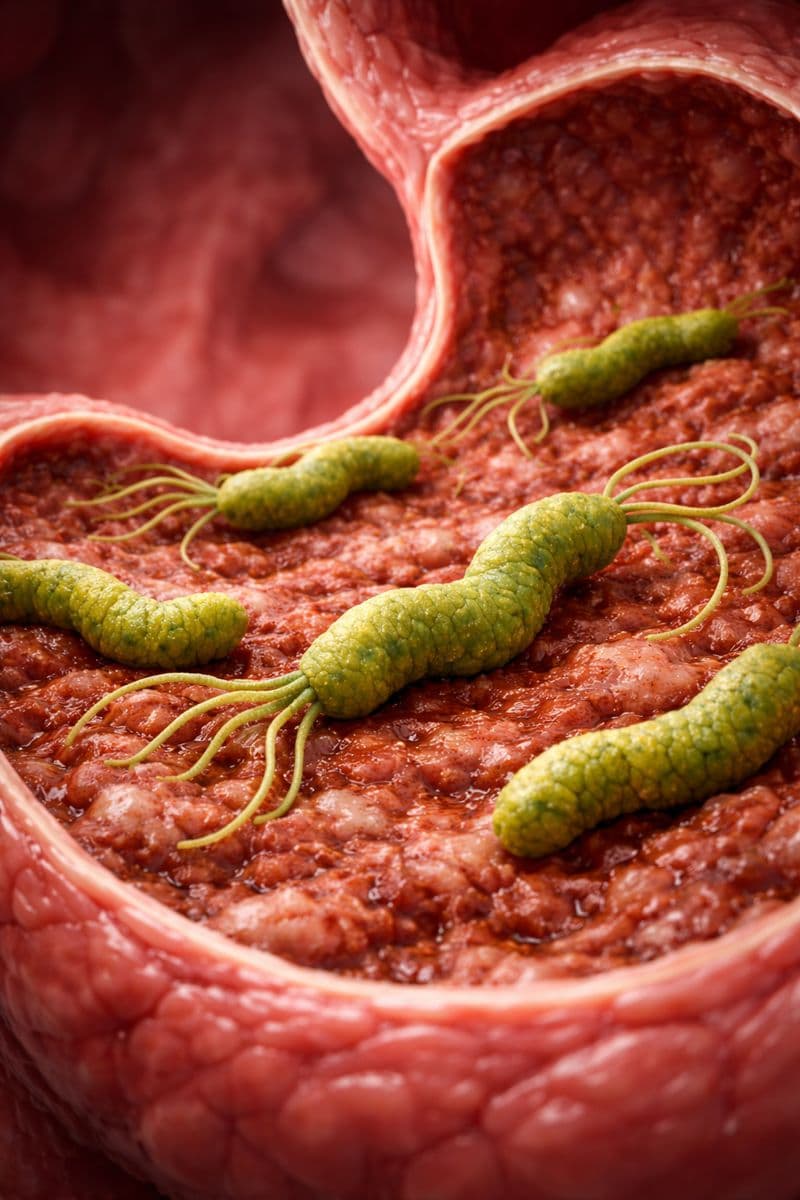
H. pylori Infection
Bacterial infection affecting 30% of Singapore's population, causing chronic gastritis and ulcers.
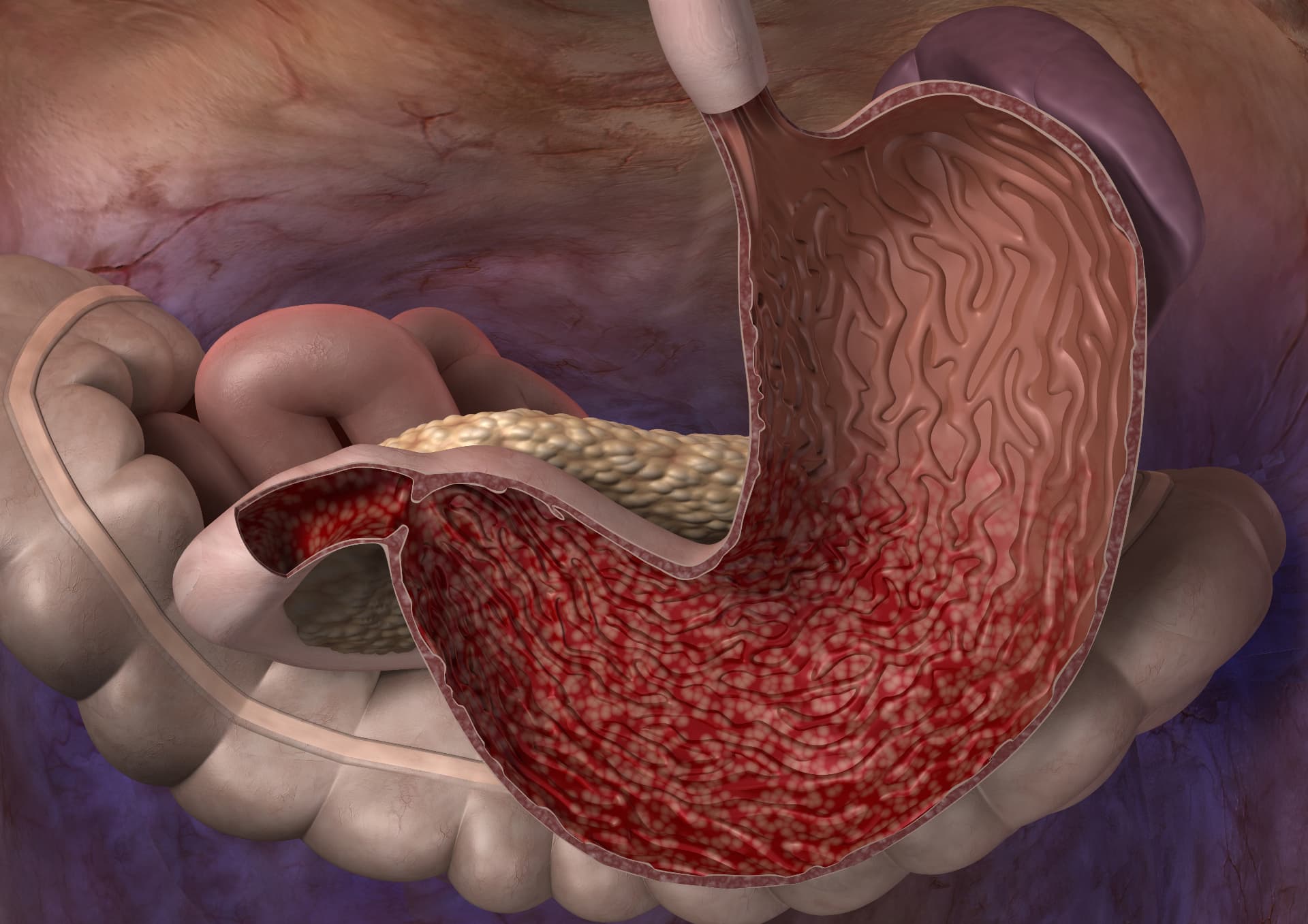
Gastritis
Inflammation of the stomach lining from infection, medications, alcohol, or autoimmune conditions.
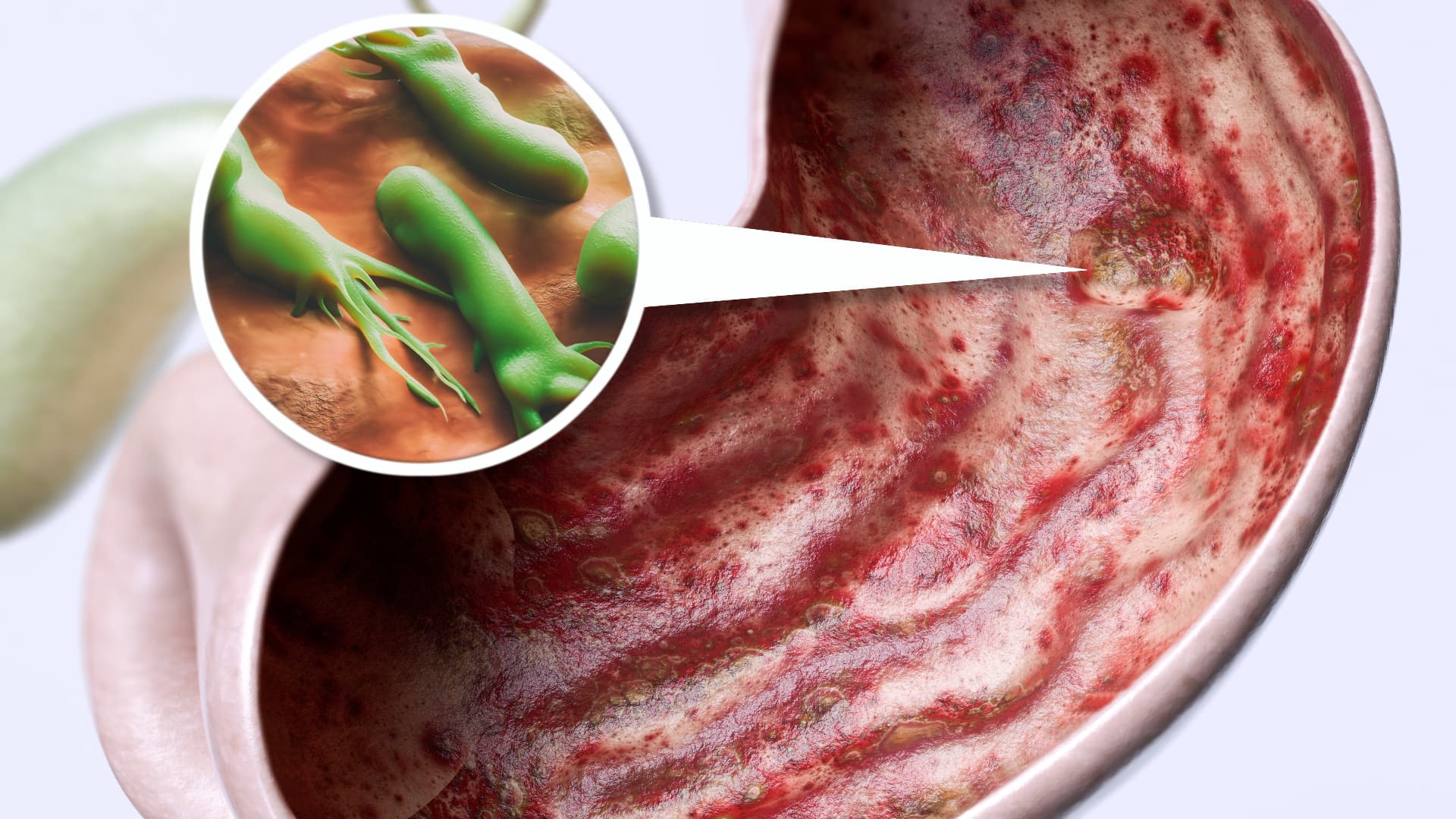
Peptic Ulcer Disease
Open sores in the stomach or duodenum causing burning pain, often related to H. pylori or NSAIDs.
Alarm Symptoms
Certain symptoms require urgent evaluation. If you experience any of these, seek medical attention promptly.
Weight Loss
Unintentional weight loss may indicate serious underlying disease requiring urgent investigation.
Difficulty Swallowing
Progressive dysphagia can suggest oesophageal narrowing or malignancy.
GI Bleeding
Vomiting blood or black tarry stools indicate bleeding that requires immediate attention.
Anaemia
Unexplained iron deficiency anaemia may result from chronic blood loss in the GI tract.
Investigations
Accurate diagnosis requires appropriate testing to identify the cause and guide treatment.
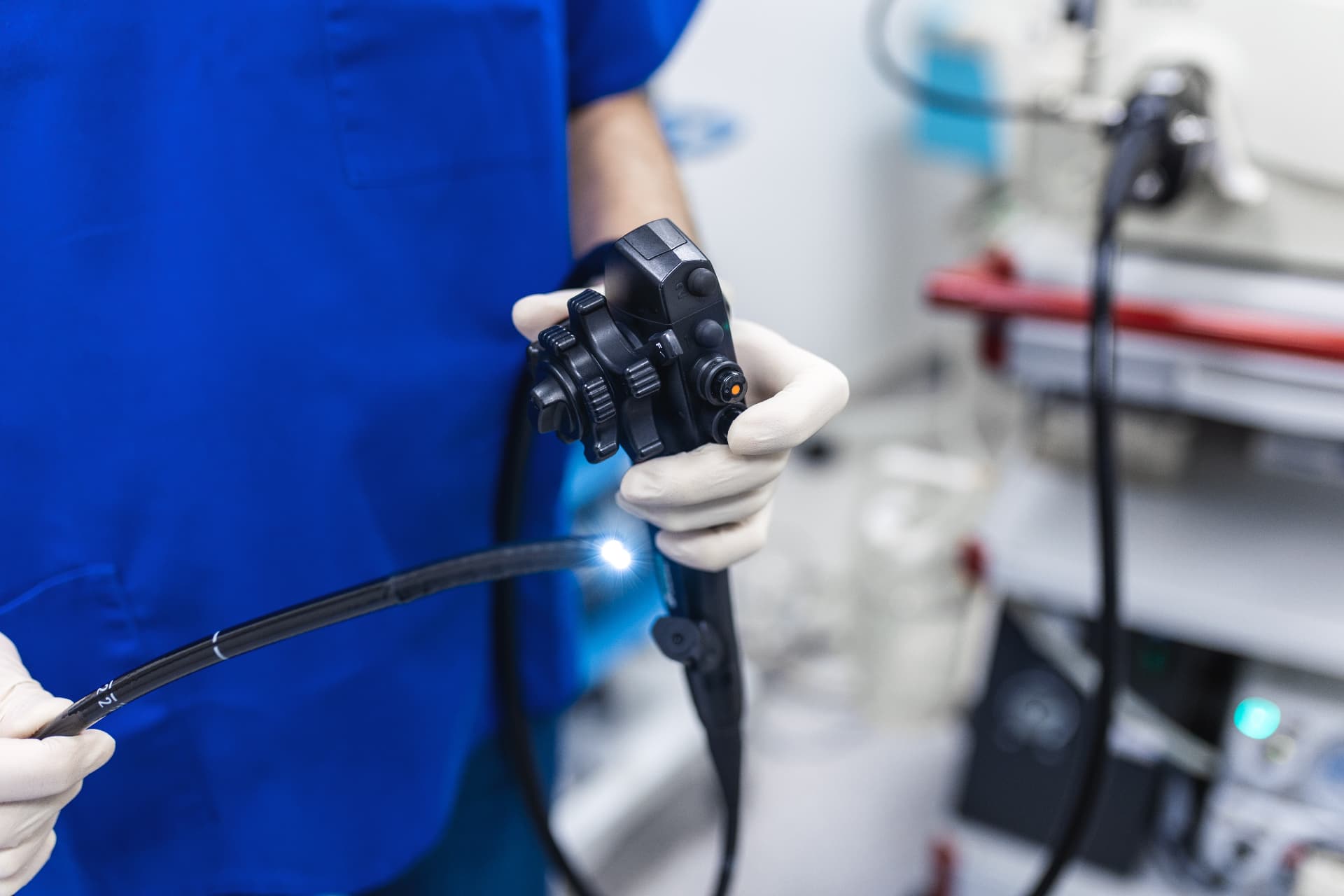
Gastroscopy (OGD)
The primary clinical modality for evaluating epigastric pain. A flexible camera examines the oesophagus, stomach, and duodenum directly.
- Detects gastritis, ulcers, and inflammation
- Identifies H. pylori infection via biopsy
- Rules out malignancy and other pathology
- Allows therapeutic interventions if needed
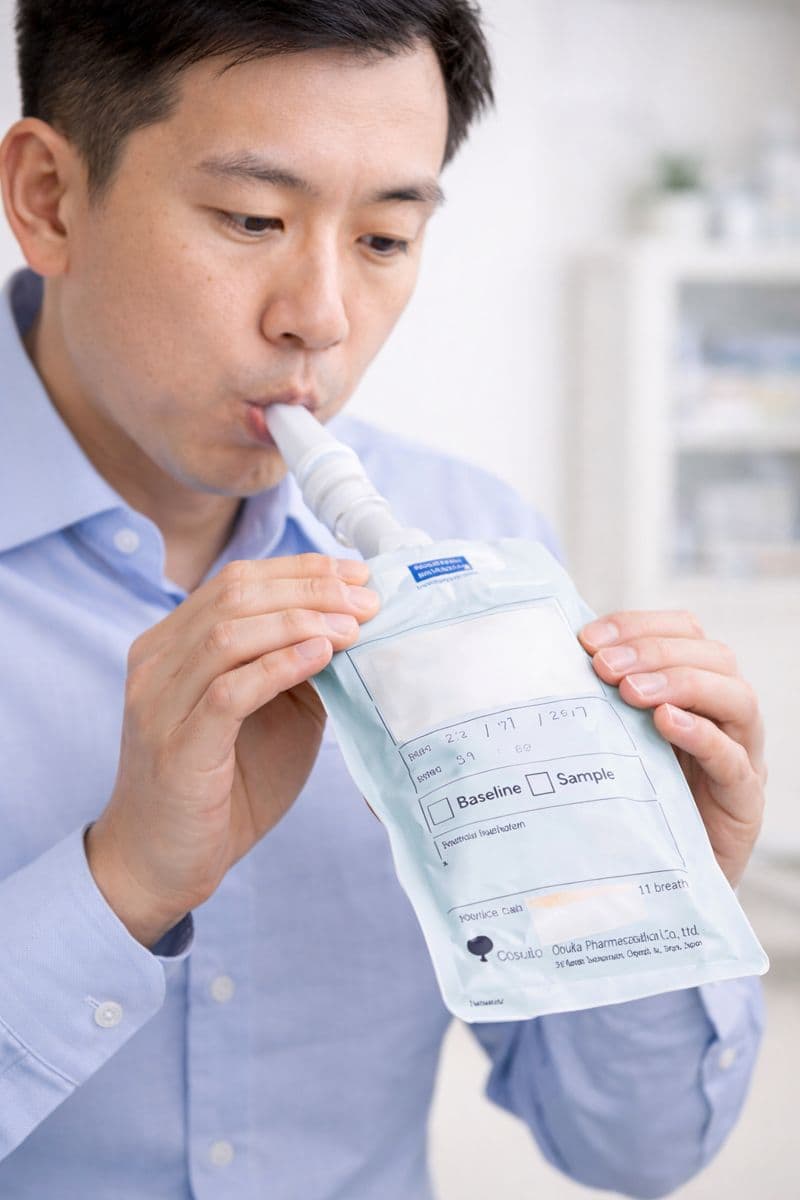
H. pylori Testing
Testing for H. pylori is essential in evaluating epigastric pain. Multiple testing options are available.
- Urea breath test (non-invasive, highly accurate)
- Stool antigen test (convenient and reliable)
- Rapid urease test during gastroscopy
- Histology from gastric biopsies
Treatment
Treatment depends on the underlying cause. Most conditions causing epigastric pain respond well to medical therapy:
H. pylori Eradication
- 14-day course of antibiotics + PPI
- Typically 2-3 antibiotics used
- 85-90% eradication rate observed in clinical studies
- Confirmation of eradication after treatment
- Reduces ulcer recurrence significantly
Acid Suppression & Lifestyle
- Proton pump inhibitors (PPIs)
- H2 receptor blockers
- Avoid NSAIDs and aspirin if possible
- Reduce alcohol and smoking
- Smaller, more frequent meals
Clinical Assessment for Stomach Pain
If you're experiencing persistent epigastric pain, schedule a consultation for proper evaluation and personalised treatment options.
Related Conditions
You may also be interested in learning about these related conditions.
Disclaimer: The information provided on this page is for educational purposes only and is not intended as a substitute for professional medical advice, diagnosis, or treatment. Always seek the advice of your physician or other qualified health provider with any questions you may have regarding a medical condition.