Bowel (Colorectal) Cancer Screening
In Singapore, colonoscopy screening is an important procedure for early detection of colorectal cancer. It can identify and remove small polyps before they develop into cancer—often before patients experience any symptoms.
Book a Screening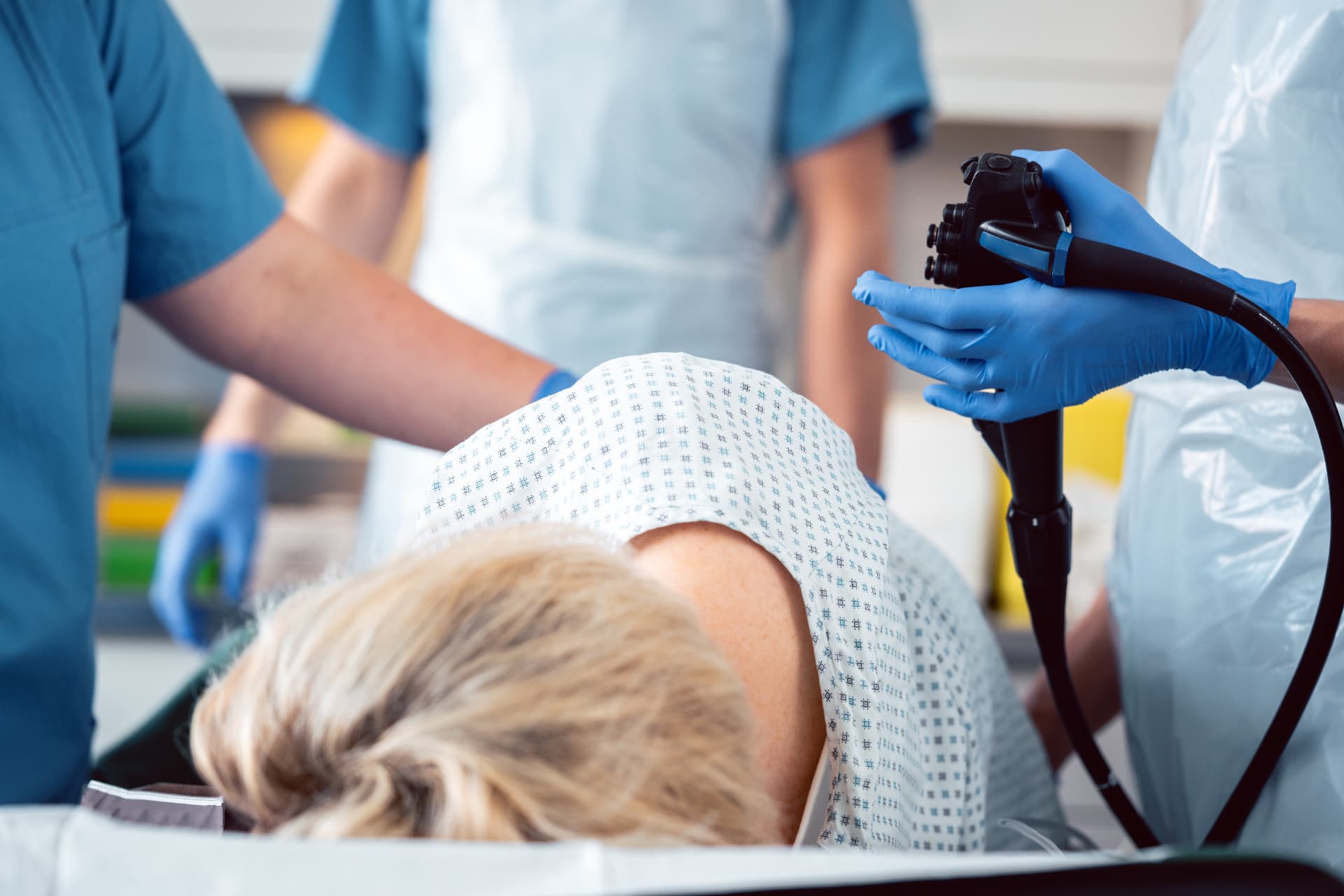
Why Get Screened?
Early Detection
Find cancer at treatable stages
Prevention
Remove polyps before they turn cancerous
Peace of Mind
68% reduction in cancer mortality
Understanding Colorectal Cancer
Colorectal cancer (also known as bowel or colon cancer) is one of the most common cancers in Singapore and worldwide. It develops in the colon or rectum, often starting as small growths called polyps. Over time, some polyps may become cancerous. Colonoscopy allows these polyps to be detected and removed before cancer develops.
Colorectal Cancer in Singapore
According to the Health Promotion Board and Singapore Cancer Society, colorectal cancer remains one of the leading cancers locally. One challenge is that early colorectal cancer often causes no symptoms, which is why screening is important.
Risk Factors
Several factors can increase the risk of colorectal cancer:
- Age above 50
- Family history of colorectal cancer or polyps
- Personal history of polyps or inflammatory bowel disease
- Smoking and excess alcohol intake
- Obesity and sedentary lifestyle
- Diets high in processed or red meat and low in fibre
- Type 2 diabetes and metabolic disease
Although risk increases with age, colorectal cancer is increasingly being seen in younger adults.
Symptoms
Early colorectal cancer may not cause symptoms. When symptoms occur, they may include:
- Blood in the stool or rectal bleeding
- Change in bowel habits
- Persistent diarrhoea or constipation
- Abdominal pain or bloating
- Unexplained weight loss
- Fatigue or anemia
- Narrow stools or incomplete bowel emptying
These symptoms are not always caused by cancer, but persistent or unexplained symptoms should be medically evaluated.
Why Early Detection Matters
When detected early, colorectal cancer is often highly treatable. Screening can also identify and remove polyps before they become cancerous.
Common screening methods include stool-based tests and colonoscopy. Colonoscopy remains the most comprehensive investigation as it allows direct examination of the bowel and removal of polyps during the same procedure.
Who Should Consider Screening?
In general:
- Average-risk adults in Singapore are advised to begin colorectal cancer screening from age 50
- Patients with a family history may require earlier screening
- Anyone with concerning symptoms should seek medical review regardless of age
Reducing Your Risk
You may help reduce your risk by:
- Maintaining a healthy weight
- Exercising regularly
- Avoiding smoking
- Limiting alcohol intake
- Increasing dietary fibre
- Participating in regular screening
Early assessment and screening can provide reassurance, identify treatable conditions, and potentially detect colorectal cancer at a more curable stage.

Are You at Risk?
For average-risk adults in Singapore, colorectal cancer screening is recommended from age 50. Earlier screening may be appropriate for people at increased risk.
Average Risk Factors
- Age 50+ years
- Sedentary lifestyle or obesity
- Smoking or heavy alcohol use
High Risk – Consider Earlier Screening
- Family history of colorectal cancer (parent, sibling, or child)
- Personal history of polyps or inflammatory bowel disease
- Hereditary syndromes (Lynch syndrome, FAP)
Recommendation: Screen from age 40 or 10 years before earliest family diagnosis
Colonoscopy Screening and What to Expect
A colonoscopy is a procedure that allows the doctor to examine the inside of the large bowel using a thin flexible camera. It is commonly done for bowel cancer screening, change in bowel habit, bleeding, anaemia, abdominal symptoms, or follow-up of previous polyps.
Common patient experiences
For many patients, the bowel preparation is the most inconvenient part of the process. The colonoscopy itself is usually well tolerated because sedation is given to keep you comfortable.
After the procedure, you may feel drowsy for a few hours and experience temporary bloating or wind. Most people are able to eat and drink again once they are fully awake, and many feel reassured once the examination is complete and the findings have been explained.
Seek urgent medical advice if you develop severe or worsening abdominal pain, persistent vomiting, fever, heavy rectal bleeding, dizziness, or black stools after the procedure.
Most patients find that the colonoscopy itself is easier than they expected.

Frequently Asked Questions
Get answers to common questions about colorectal cancer screening.
Related Conditions
You may also be interested in learning about these related conditions.
Disclaimer: This information is for educational purposes only and is not a substitute for professional medical advice.