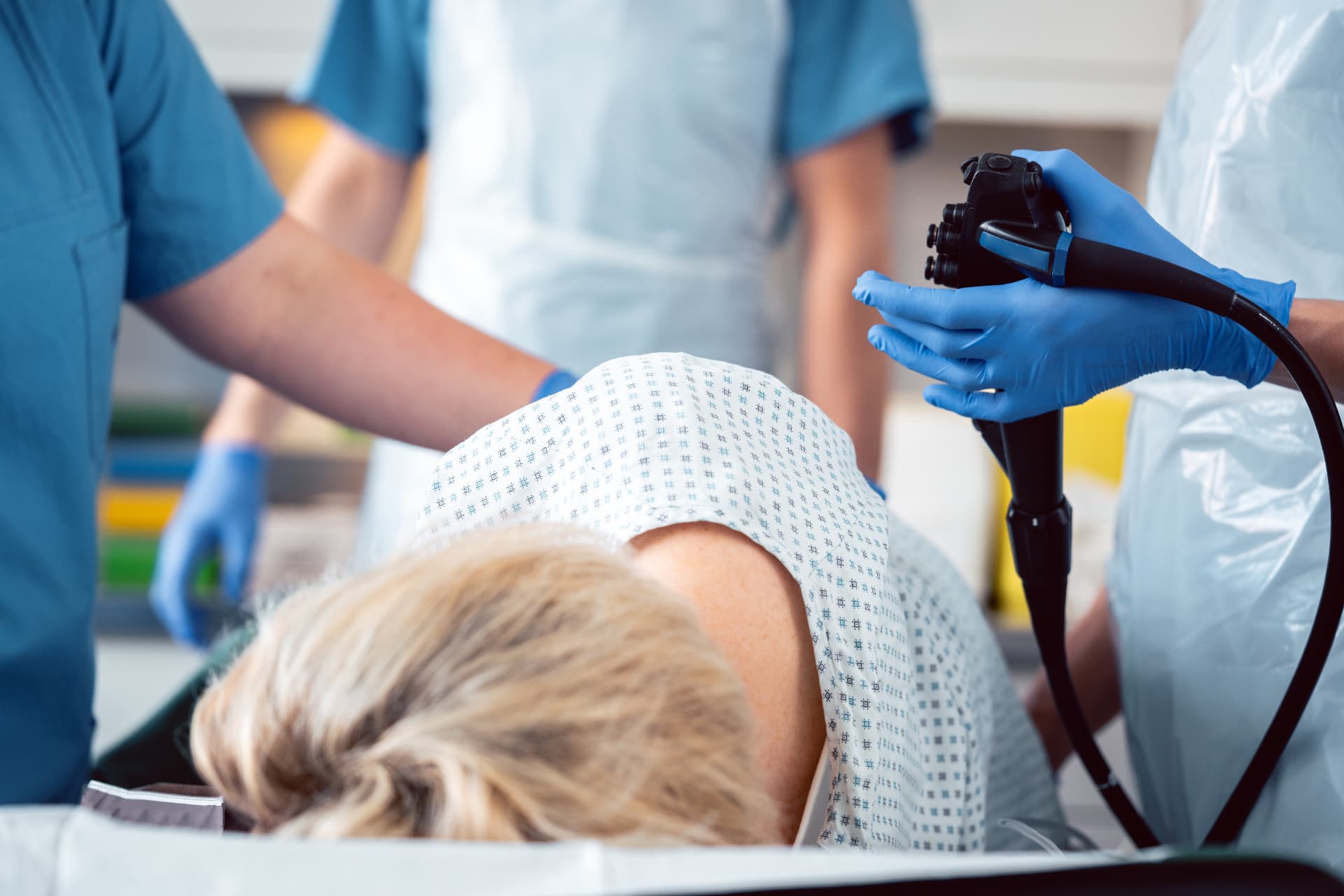
Colonoscopy
Colonoscopy is the primary clinical modality for examining the large intestine and is essential for colorectal cancer screening. This minimally invasive procedure allows for direct visualisation, biopsy collection, and removal of precancerous polyps.
Book a ConsultationUnderstanding Colonoscopy
Colonoscopy uses a flexible instrument inserted through the rectum to examine the entire large intestine (colon) and the end of the small intestine (terminal ileum). It is the established diagnostic tool for colorectal cancer screening and allows for the detection and removal of precancerous polyps, potentially preventing cancer from developing.
The procedure is performed under sedation for comfort and typically takes 20-45 minutes. High-definition cameras provide clear visualization of the bowel lining, allowing detection of even small abnormalities.
Indications for Colonoscopy
- Colorectal cancer screening (generally recommended from age 50 for average-risk adults; earlier if clinically indicated)
- Investigation of blood in stools or rectal bleeding
- Persistent change in bowel habits
- Unexplained abdominal pain or weight loss
- Surveillance of inflammatory bowel disease
- Follow-up after polyp removal
- Investigation of iron deficiency anaemia
Who Should Undergo a Colonoscopy?
Screening from age 50 and for people at higher risk
Colonoscopy is commonly recommended as a screening test for colorectal cancer in average-risk adults aged 50 and above, even in the absence of symptoms. The aim is to detect and remove precancerous polyps early, before they progress to cancer.
Some individuals may require earlier or more frequent screening because of higher underlying risk factors, including:
- A family history of colorectal cancer or colon polyps
- A personal history of colon polyps
- Long-standing inflammatory bowel disease such as ulcerative colitis or Crohn’s disease
- Certain hereditary colorectal cancer syndromes
- Previous colorectal cancer treatment
The timing and frequency of screening depend on the individual’s risk profile, previous colonoscopy findings, and overall health.
Symptoms that should prompt earlier assessment
While screening colonoscopy is often performed before symptoms develop, certain symptoms should prompt earlier medical evaluation regardless of age. These include:
- Rectal bleeding or blood in the stool
- Persistent changes in bowel habits
- Unexplained diarrhoea or constipation
- Abdominal pain or bloating
- Unexplained weight loss
- Iron deficiency anaemia
- Persistent fatigue without a clear cause
Although these symptoms do not always indicate serious disease, they should be assessed appropriately to exclude colorectal cancer, significant polyps, inflammation, or other gastrointestinal conditions.
What Are the Risks or Complications of Colonoscopy?
Most side effects are mild and short-lived
Colonoscopy is generally considered a safe and commonly performed procedure. Most patients tolerate it well and recover quickly after the examination. Mild bloating, cramping, or temporary discomfort from the air introduced during the procedure can occur but usually settles within a few hours.
Sedation-related side effects such as drowsiness, nausea, or light-headedness may occasionally occur and are typically short-lived. Patients are usually advised not to drive or operate machinery for the remainder of the day after sedation.
Although uncommon, more significant complications can occur, including:
- Bleeding, particularly after removal of a polyp
- Perforation or a tear in the bowel wall
- Adverse reactions to sedation
- Infection, which is rare
- Incomplete examination due to poor bowel preparation or technical difficulty
We will discuss the potential risks and benefits of the procedure before the examination.
What happens if polyps are found
If polyps are identified during colonoscopy, they can often be removed during the same procedure using specialised instruments passed through the scope. Removing polyps helps reduce the future risk of colorectal cancer.
The removed tissue is usually sent for laboratory analysis to determine the type of polyp and whether any precancerous changes are present. Follow-up recommendations depend on the number, size, and histology of the polyps removed. Some patients may only require routine surveillance, while others may need closer follow-up colonoscopy at shorter intervals.
Preparation Guidelines
Proper bowel preparation is essential for a successful colonoscopy. A clean bowel allows for optimal visualisation and accurate diagnosis. You will receive detailed instructions specific to your procedure.
Diet Modification
Low-residue diet 2-3 days before, then clear fluids only the day before the procedure.
Bowel Preparation
You will be prescribed a bowel preparation solution to cleanse the colon. Follow instructions carefully for optimal diagnostic results.
Medication Review
Inform your doctor of all medications. Blood thinners may need to be stopped temporarily.
Fasting
No food or drink for at least 12 hours before the procedure.
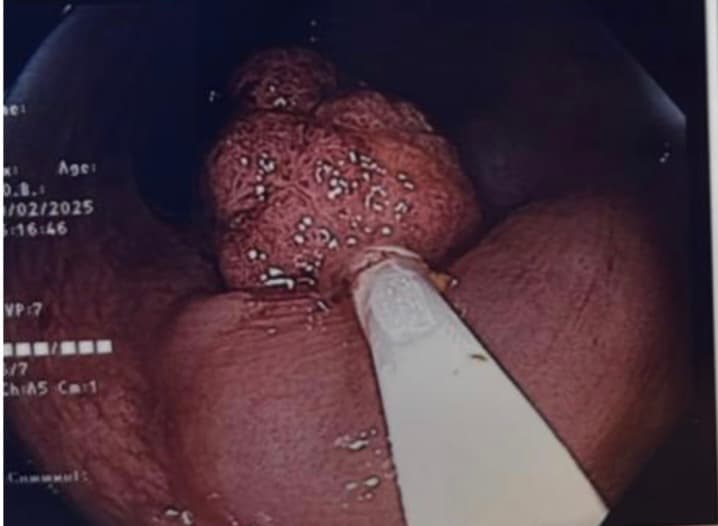
Polypectomy: Removal of a polyp during colonoscopy
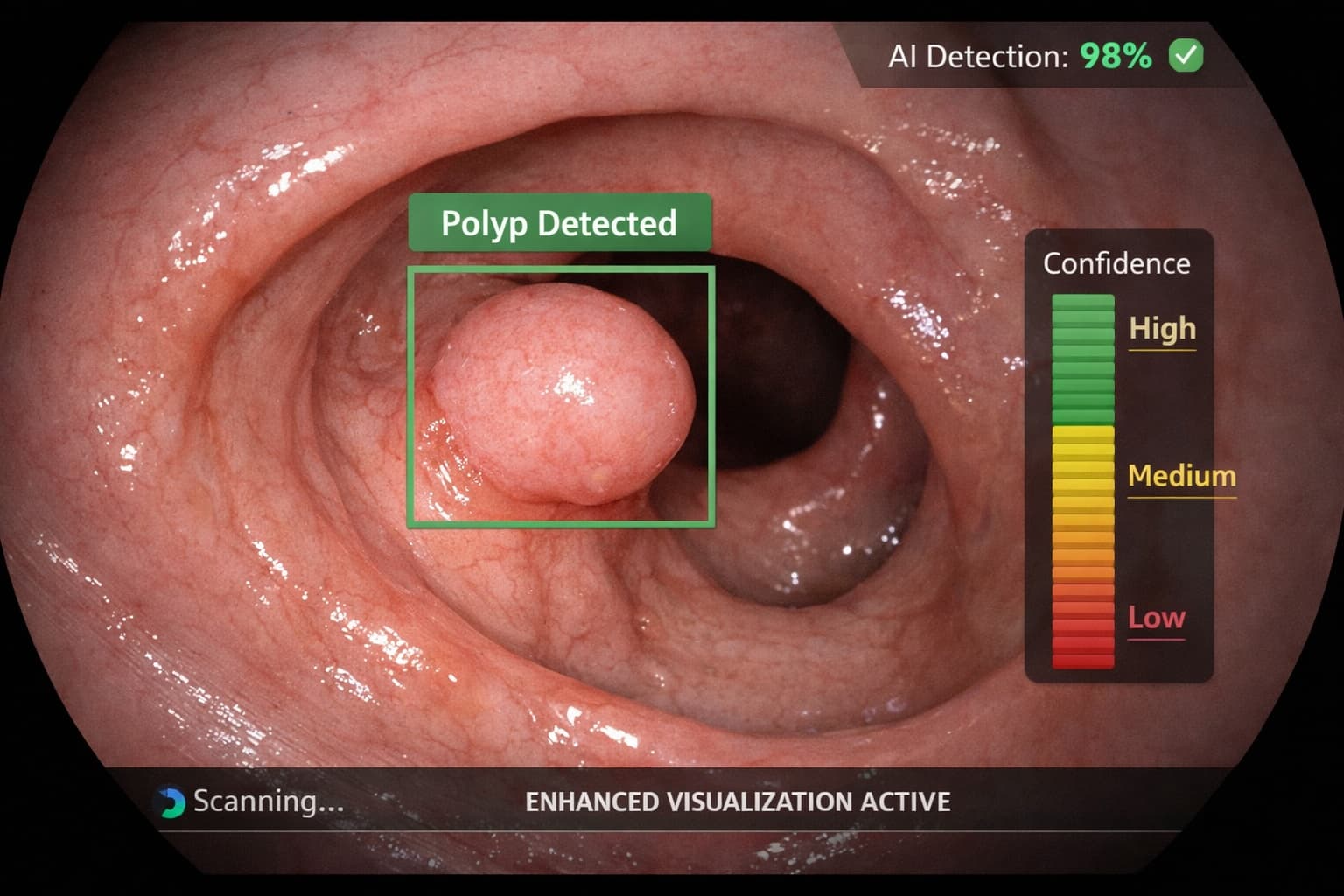
AI-assisted polyp detection during colonoscopy
What to Expect
Before
You will be given sedation through an IV line to ensure comfort. Your vital signs will be monitored throughout.
During
A flexible tube with a camera is inserted through the rectum to examine the entire colon. Any polyps found can be removed during the procedure. It typically takes 20-45 minutes.
After
You will rest in the recovery area until the sedation wears off. You may experience mild bloating or gas. Results are usually discussed the same day.
Frequently Asked Questions
Common questions about colonoscopy and what to expect.
Schedule Your Colonoscopy
Whether you need a screening colonoscopy or have symptoms requiring investigation, book a consultation to discuss your needs.
Disclaimer: The information provided on this page is for educational purposes only and is not intended as a substitute for professional medical advice, diagnosis, or treatment. Always seek the advice of your physician or other qualified health provider with any questions you may have regarding a medical procedure.