What Is Gastroscopy Screening?
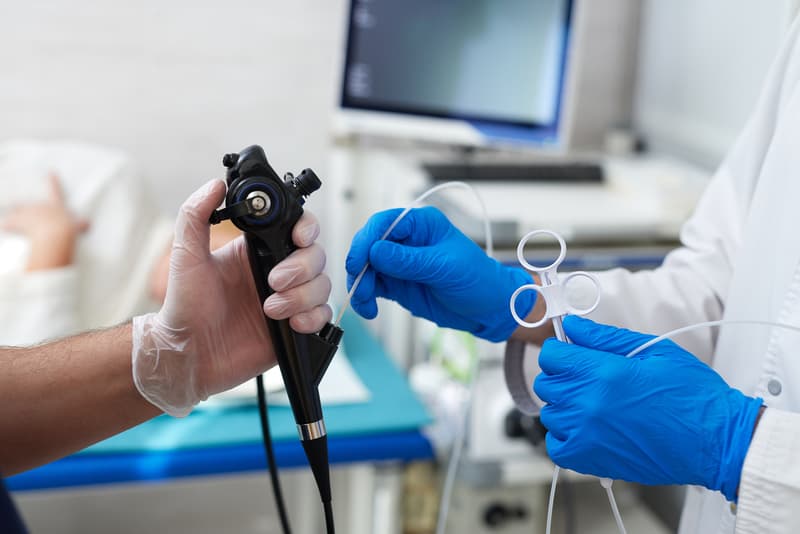
A gastroscopy, also known as an upper endoscopy, is a procedure used to examine the lining of the oesophagus, stomach, and first part of the small intestine (duodenum). During the procedure, a thin flexible tube with a camera is gently passed through the mouth to allow direct visual assessment of the upper digestive tract.
Gastroscopy is commonly performed to investigate symptoms such as:
Common Symptoms
- Persistent indigestion or upper abdominal discomfort
- Acid reflux or heartburn
- Difficulty swallowing
- Nausea or vomiting
- Unexplained anaemia
- Loss of appetite or unexplained weight loss
- Suspected stomach ulcers or inflammation
In some patients, gastroscopy may also be used as a screening or surveillance tool to detect conditions such as ulcers, Barrett’s oesophagus, polyps, or early cancers of the upper digestive tract.
Advanced Endoscopic Imaging: Narrow Band Imaging
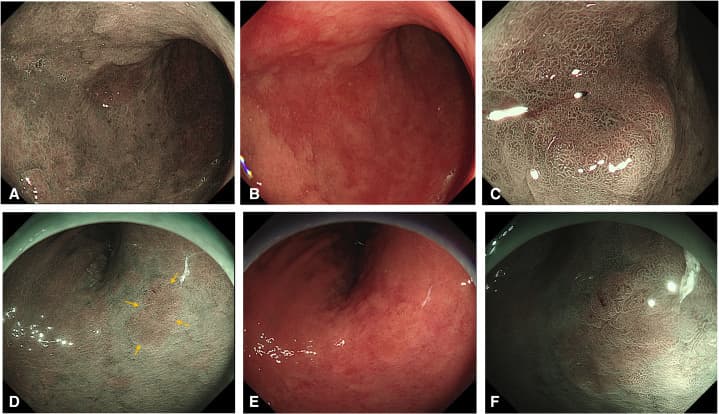
During gastroscopy, Narrow Band Imaging (NBI) can help assess selected areas of the stomach lining in greater detail.
How NBI Helps
NBI uses selected wavelengths of light to enhance superficial mucosal and blood-vessel patterns. It may help an experienced endoscopist examine suspicious areas and guide targeted biopsies. It complements high-definition white-light gastroscopy and does not replace tissue analysis when a biopsy is indicated.
Who Should Consider Gastroscopy?
Gastroscopy may be recommended to investigate persistent upper digestive symptoms, particularly when they do not improve with medication or lifestyle measures. It may also be appropriate for people with certain risk factors.
Reasons to Consider Gastroscopy
- Persistent reflux or indigestion symptoms
- Long-standing acid reflux disease
- Difficulty swallowing
- Recurrent upper abdominal pain
- Unexplained iron deficiency anaemia
- A family history of stomach or oesophageal cancer
- Persistent nausea or vomiting
- Unexplained weight loss
- Black stools or signs of gastrointestinal bleeding
Long-standing Reflux and Barrett’s Oesophagus
Long-standing Gastroesophageal Reflux Disease may increase the risk of complications such as oesophagitis or Barrett’s oesophagus, a condition where the lining of the lower oesophagus changes due to chronic acid exposure.
A gastroscopy may be recommended if you:
- Have reflux symptoms for many years
- Require long-term acid suppression medication
- Develop worsening symptoms despite treatment
- Experience difficulty swallowing
- Have associated weight loss, anaemia, or bleeding symptoms
Your doctor will assess your symptoms, age, risk factors, and overall clinical history before recommending screening.
Gastroscopy: What to Expect
Gastroscopy is usually a day procedure taking approximately 10 to 20 minutes. Explore each step below.

What Patients Commonly Experience After Gastroscopy
People are often concerned about discomfort or how they will feel afterwards. Experiences vary, but these are some common observations:
Often easier than expected
With sedation, many patients remember little of the procedure and find it more comfortable than they anticipated.
Mild, short-lived symptoms
A slightly sore throat, bloating or temporary drowsiness can occur. These usually settle, although recovery varies.
Clarity about the next steps
Initial findings are often explained before discharge. If biopsies are taken, a follow-up discussion may be needed when results are ready.
These are general experiences, not individual patient testimonials. Seek urgent medical advice for severe or worsening pain, significant bleeding, fever or persistent vomiting after gastroscopy.
Frequently Asked Questions
Get answers to common questions about gastroscopy and upper digestive tract screening.