Bile Duct Stones
Bile duct stones (choledocholithiasis) occur when gallstones migrate into the common bile duct, causing obstruction and potentially serious complications. Prompt diagnosis and treatment are essential.
Book a Consultation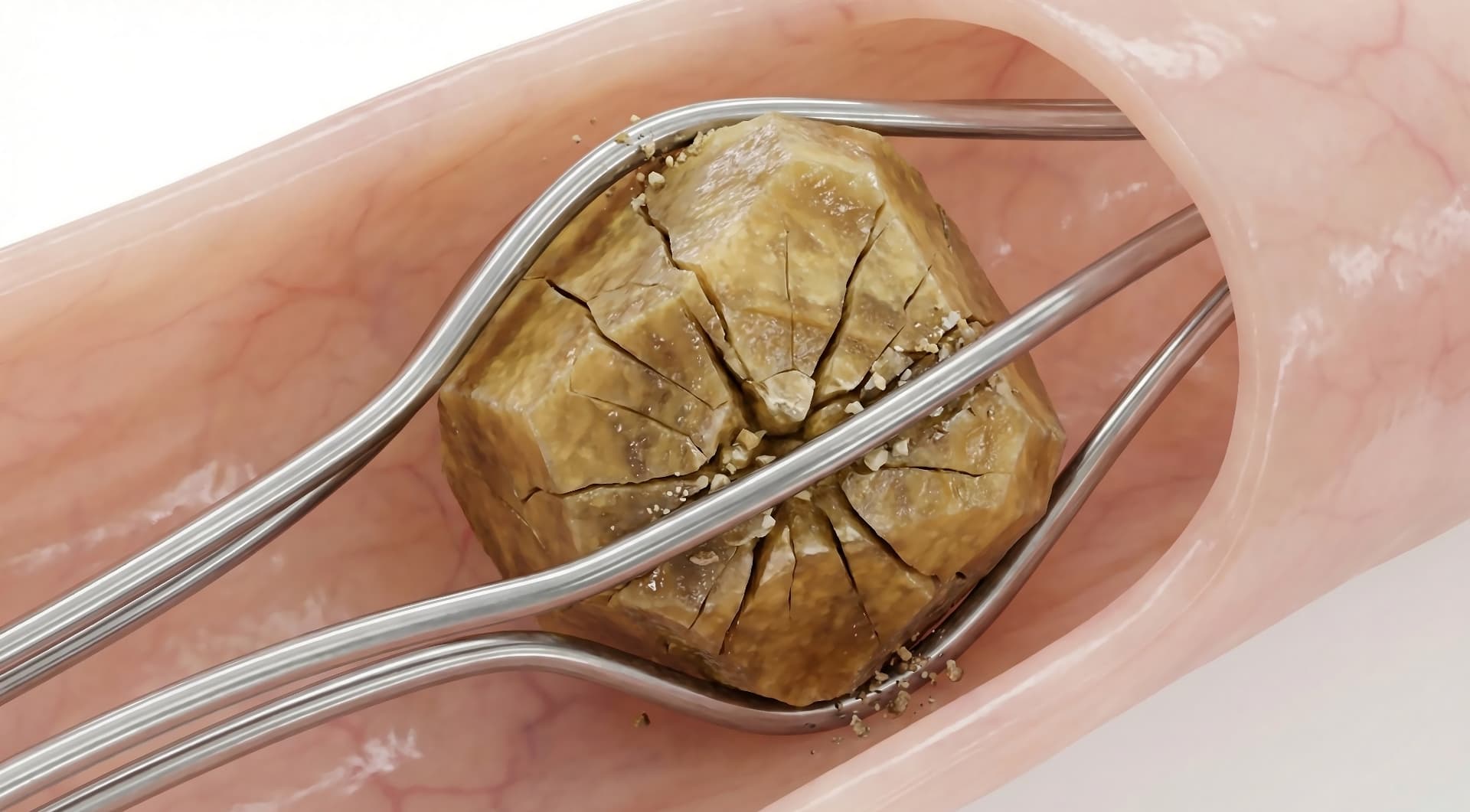
Understanding Bile Duct Stones
Common Cause
10-15% of people with gallstones also have bile duct stones
Treatment Success
ERCP is an effective clinical procedure for stone removal.
Minimally Invasive
Most stones can be removed endoscopically without surgery
Signs & Symptoms
Symptoms typically occur when a stone causes obstruction of bile flow.
- Sudden, severe pain in the upper right abdomen
- Pain radiating to the back or right shoulder
- Jaundice (yellowing of skin and eyes)
- Dark urine (tea-coloured)
- Pale, clay-coloured stools
- Fever and chills (if infection present)
- Nausea and vomiting
- Itchy skin
Risk Factors
Bile duct stones most commonly occur in people who have, or previously had, gallstones.
- A current or previous history of gallstones
- Previous episodes of bile duct stones
- Previous gallbladder removal — bile duct stones can occasionally still occur
- Conditions that increase the formation of pigment stones, including some blood disorders
Potential Complications
Untreated bile duct stones can lead to serious, potentially life-threatening complications.
Cholangitis
Infection of the bile duct causing fever, jaundice, and abdominal pain. This is a medical emergency requiring urgent treatment.
Pancreatitis
Inflammation of the pancreas when a stone blocks the common channel of the bile and pancreatic ducts.
Biliary Obstruction
Complete blockage of bile flow leading to worsening jaundice and liver dysfunction.
Secondary Biliary Cirrhosis
Long-term obstruction can lead to liver damage and scarring over time.
Diagnosis
A combination of blood tests and imaging studies are used to diagnose bile duct stones.
Blood Tests
Liver function tests show elevated bilirubin, alkaline phosphatase (ALP), and gamma-GT (GGT). White blood cell count may be elevated if infection is present.
Ultrasound
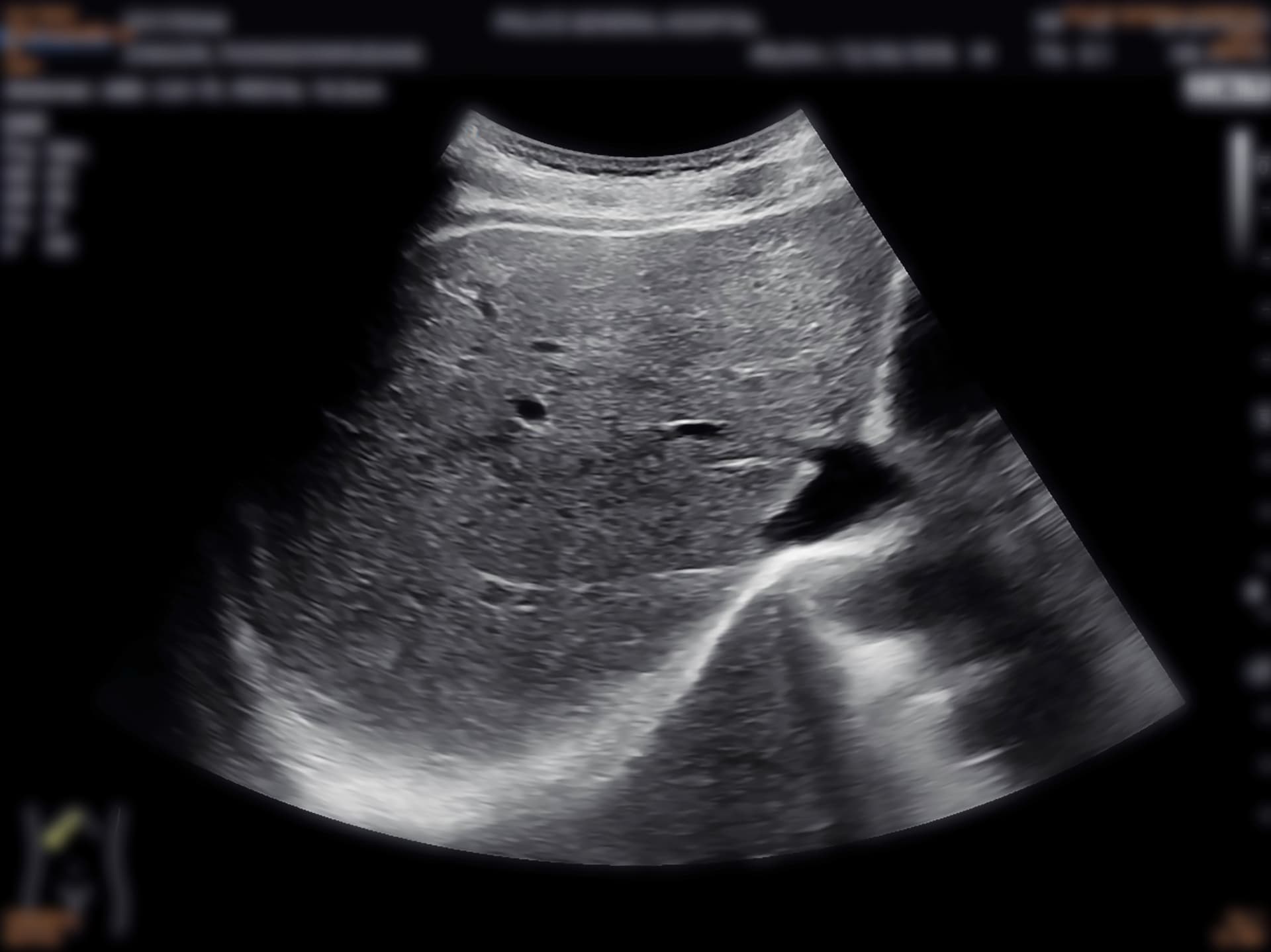
First-line imaging to detect dilated bile ducts and gallstones. However, stones in the bile duct may not always be visible on ultrasound.
MRCP
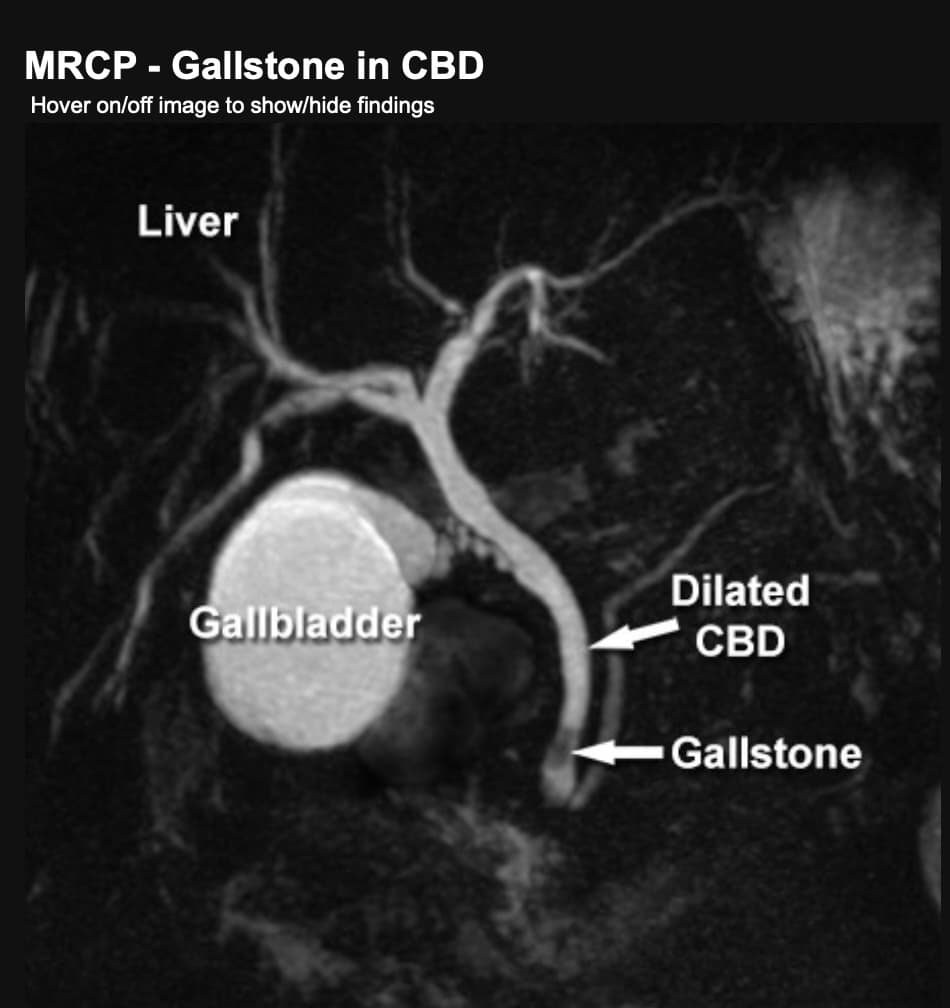
A non-invasive MRI scan that provides detailed images of the bile ducts and can identify stones that may not be visible on ultrasound.
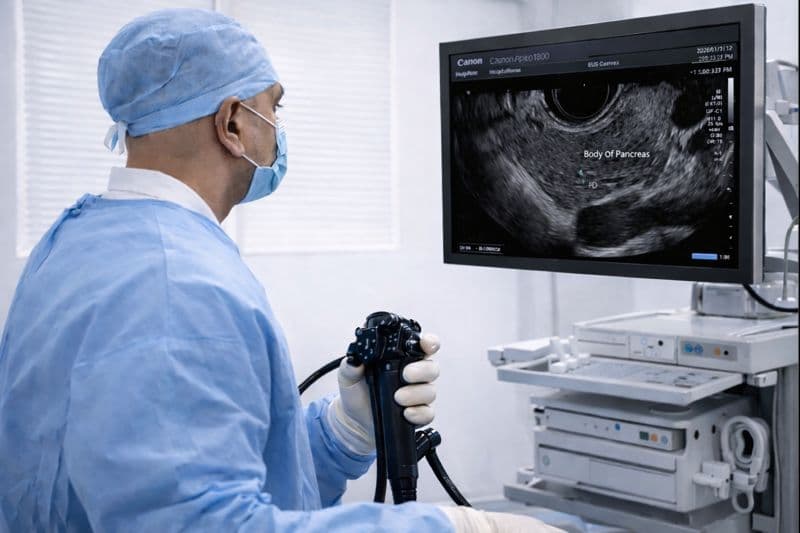
Endoscopic Ultrasound (EUS)
Highly sensitive test that can detect small stones missed by other imaging. Can be combined with ERCP for same-session treatment.
Learn more about this procedure →Treatment Options
ERCP is the primary treatment for bile duct stones, offering effective stone removal without open surgery.
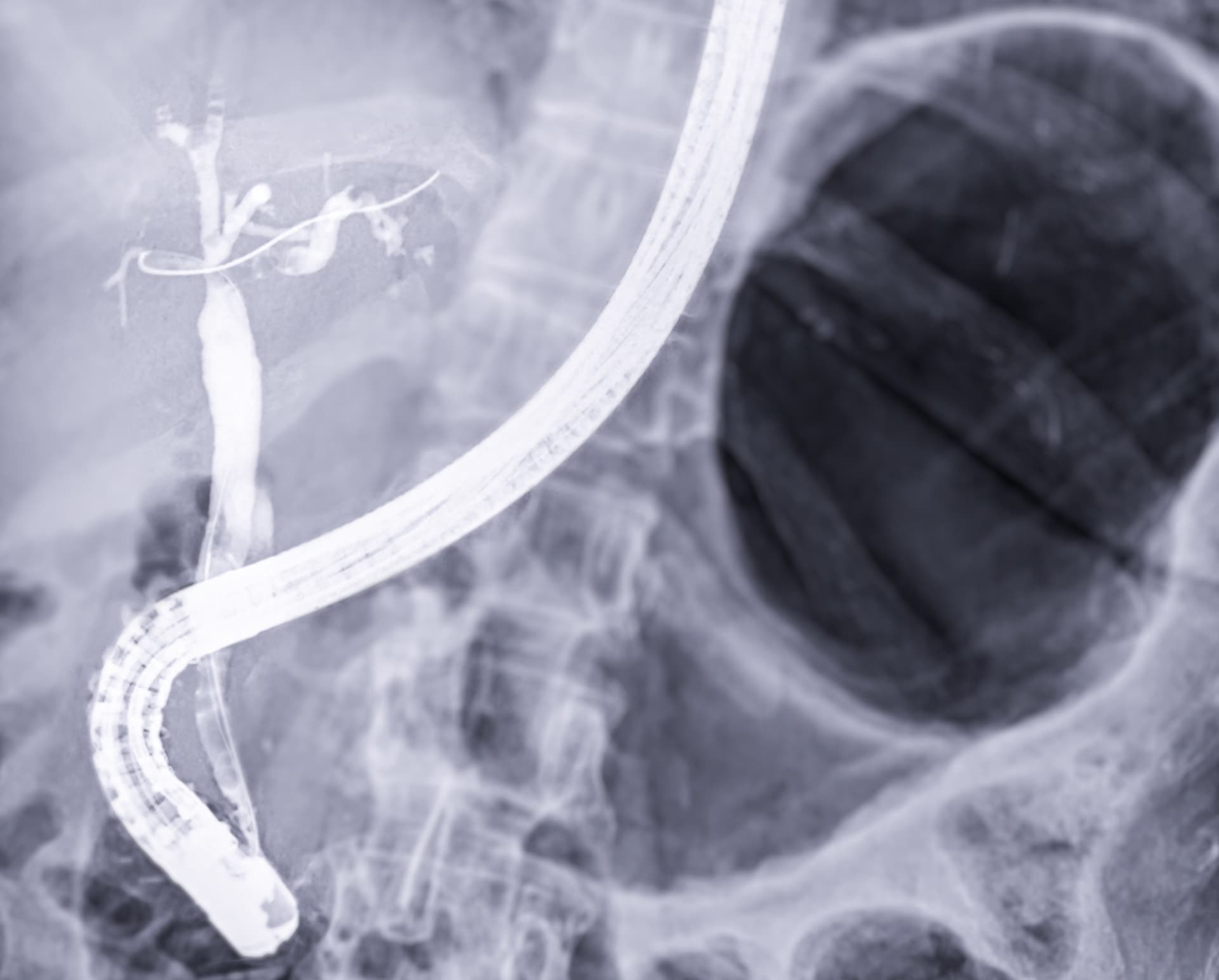
ERCP Stone Removal
ERCP is the main endoscopic treatment for bile duct stones. A flexible endoscope is passed through the mouth to the opening of the bile duct, and stones can usually be removed using a balloon or basket after the opening has been enlarged.
Learn more about this procedure →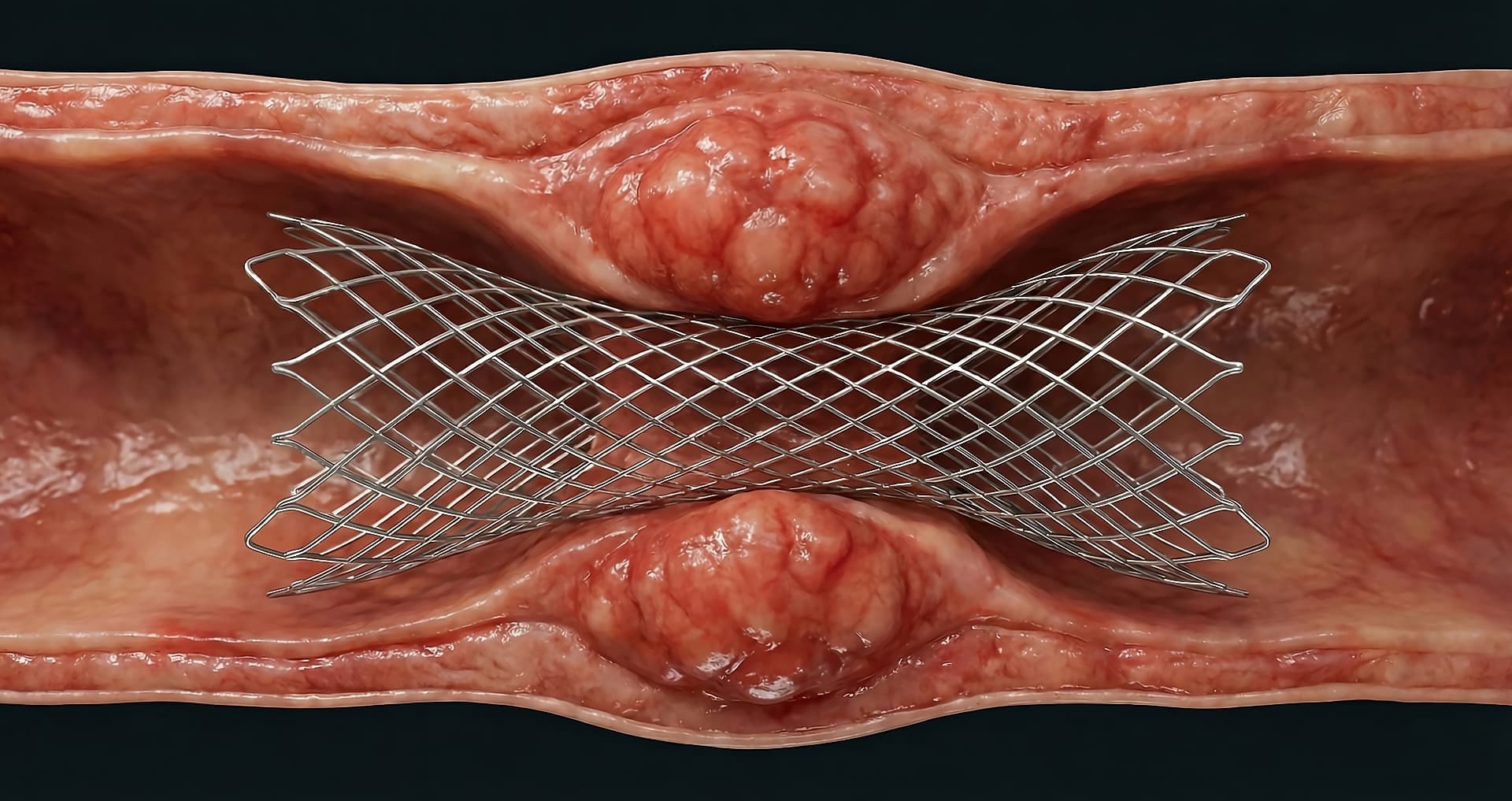
Biliary Stenting
If stones cannot be completely removed in one session, a plastic stent is placed to maintain bile drainage and prevent complications until definitive treatment.
Learn more about this procedure →Experiencing Biliary Symptoms?
Bile duct stones can cause obstruction, infection or pancreatitis and should be assessed promptly when symptoms occur.
Schedule a ConsultationRelated Conditions
You may also be interested in learning about these related conditions.
The information provided is for educational purposes only and should not replace professional medical advice. Please consult Dr. Prem Thurairajah for personalised diagnosis and treatment options.