Chronic Pancreatitis
Chronic pancreatitis is a progressive inflammatory condition causing permanent damage to the pancreas. Early diagnosis and comprehensive management can help control symptoms and prevent complications.

Understanding Chronic Pancreatitis
Chronic pancreatitis is characterised by ongoing inflammation that leads to irreversible structural changes in the pancreas, including fibrosis, calcifications, and loss of both exocrine (digestive enzyme production) and endocrine (insulin production) function.
Unlike acute pancreatitis, which may resolve completely, chronic pancreatitis causes permanent damage that progressively worsens over time. The condition significantly impacts quality of life, primarily through chronic pain and nutritional complications.
With proper management, including lifestyle modifications, pain control, enzyme replacement, and when needed, endoscopic or surgical intervention, many patients may see significant improvement in their symptoms and quality of life.
Causes & Risk Factors
Understanding the underlying cause is essential for tailored treatment and prevention of progression.

Alcohol Consumption
Long-term heavy alcohol use is the leading cause, accounting for 40-70% of cases. It causes progressive damage to pancreatic tissue.

Smoking
An independent risk factor that accelerates disease progression and increases risk of pancreatic calcifications.

Recurrent Acute Pancreatitis
Repeated episodes of acute pancreatitis can lead to chronic inflammation and permanent damage.

Genetic Factors
Hereditary pancreatitis and genetic mutations (PRSS1, SPINK1, CFTR) can cause chronic pancreatitis.
Other Causes
Other causes include autoimmune pancreatitis, tropical pancreatitis, metabolic disorders (hypercalcaemia, hypertriglyceridaemia), anatomical abnormalities (pancreas divisum), and idiopathic cases where no cause can be identified.
Signs & Symptoms
Symptoms vary depending on the stage and severity of the disease. Pain is often the predominant symptom in early stages, while malabsorption becomes more prominent as the disease progresses.
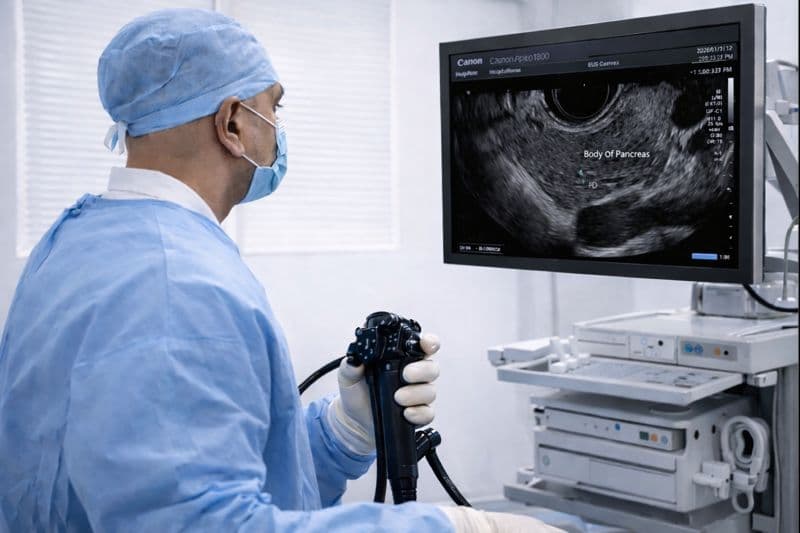
EUS provides detailed imaging of the pancreas for accurate diagnosis
Potential Complications
Early diagnosis and proper management aims to reduce the risk of these complications.
Pancreatic Insufficiency
Reduced production of digestive enzymes leading to malabsorption of nutrients, particularly fats and fat-soluble vitamins.
Diabetes Mellitus
Damage to insulin-producing cells results in diabetes, which may require insulin therapy.
Pseudocyst Formation
Fluid collections that can cause pain, obstruction, or become infected, sometimes requiring drainage.
Bile Duct Obstruction
Inflammation and fibrosis can compress the common bile duct, causing jaundice.
Pancreatic Cancer Risk
Long-standing chronic pancreatitis increases the risk of developing pancreatic cancer.
Splenic Vein Thrombosis
Can lead to gastric varices and potential bleeding complications.
Diagnostic Approach
A combination of clinical assessment, imaging, and functional tests is used to diagnose chronic pancreatitis and assess disease severity.
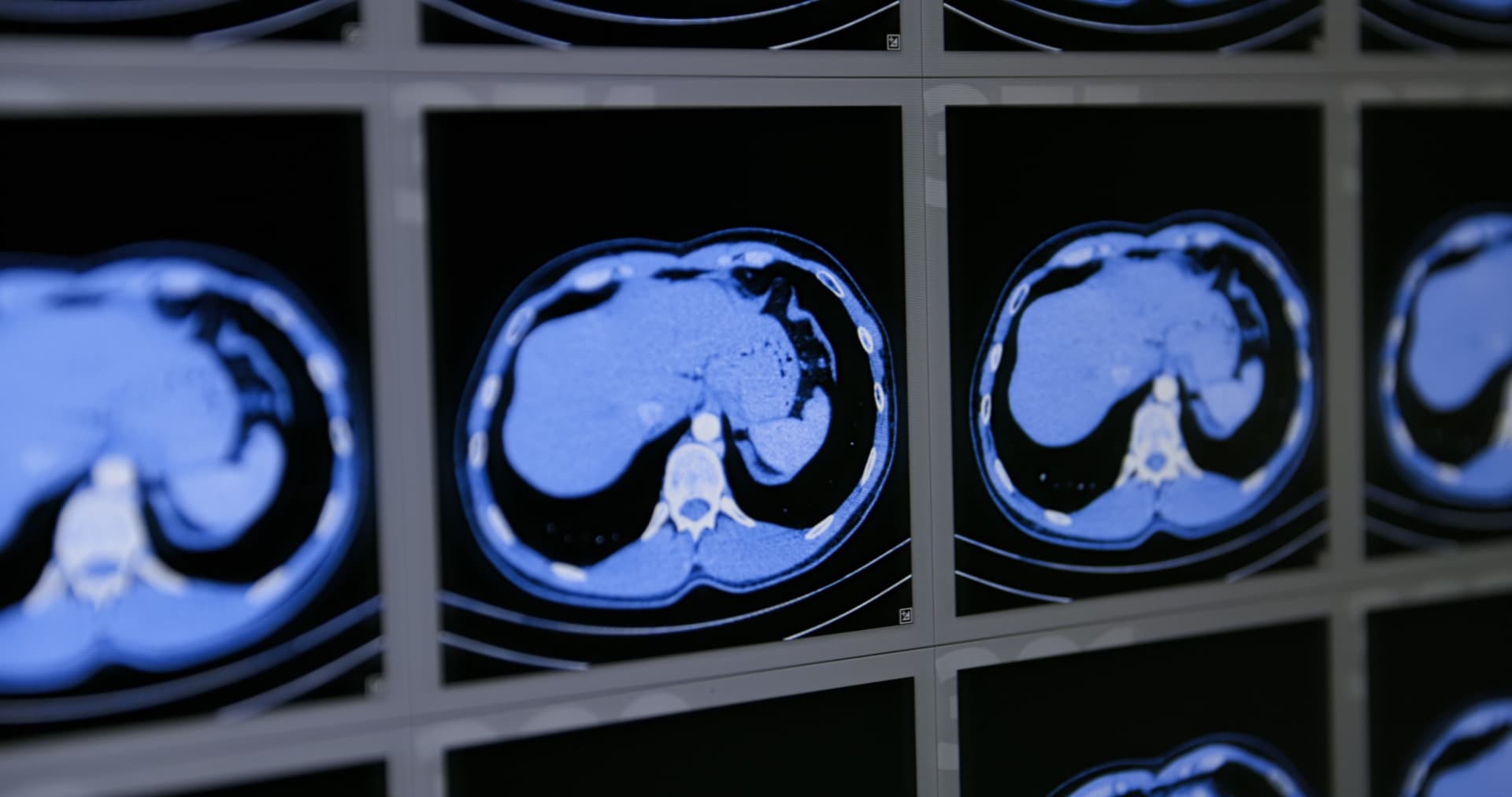
CT Scan
Shows calcifications, duct dilation, atrophy, and structural changes characteristic of chronic pancreatitis.
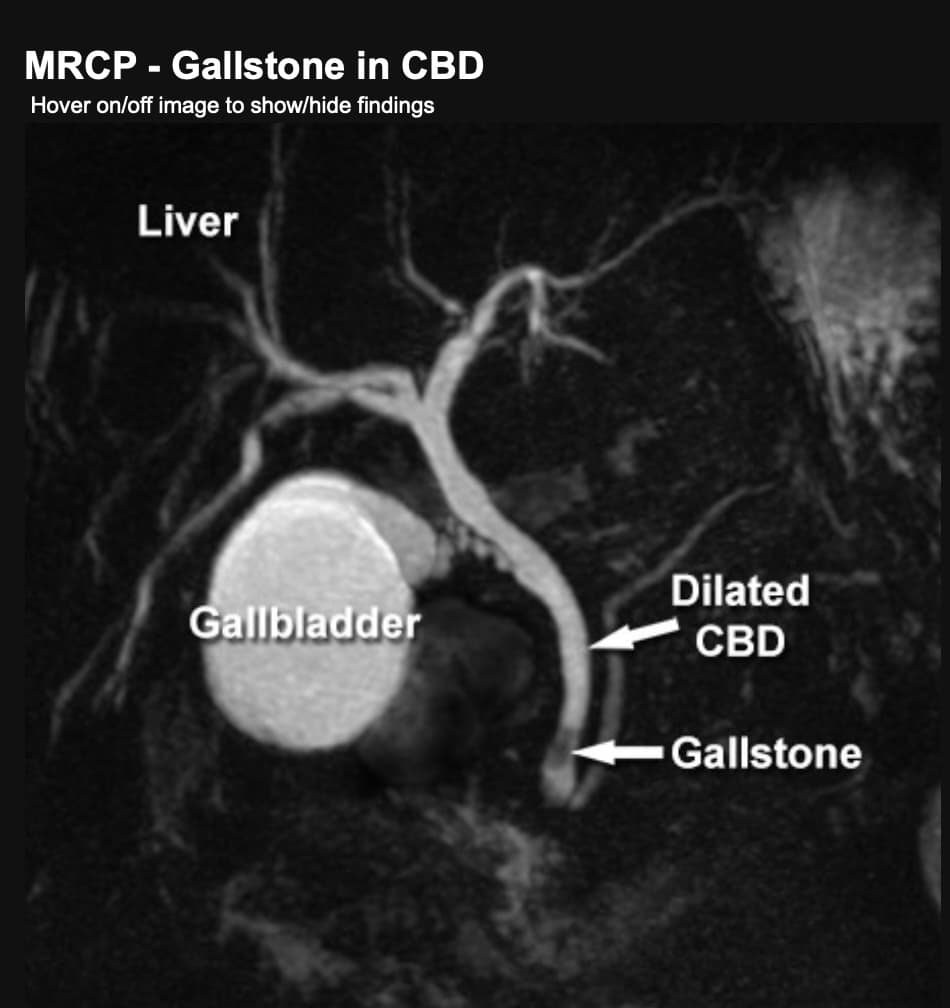
MRCP
Non-invasive MRI providing detailed visualisation of pancreatic duct anatomy and strictures.
Endoscopic Ultrasound (EUS)
Most sensitive test for early changes, detecting parenchymal features and guiding tissue sampling.
Learn more about this procedure →
Blood & Functional Tests
Faecal elastase for exocrine function, HbA1c for diabetes, and nutritional markers including fat-soluble vitamins.
Treatment Options
A multidisciplinary approach combining medical, endoscopic, and surgical therapies tailored to individual patient needs.

Alcohol Abstinence
Complete abstinence from alcohol is essential to prevent further damage and slow disease progression.

Smoking Cessation
Quitting smoking is crucial as it accelerates pancreatic damage and increases complications.

Medications & Enzyme Replacement
Pancreatic enzyme supplements (Creon®) taken with meals to aid digestion. Pain management with analgesics and antioxidants.

Nutritional Support
Low-fat diet, small frequent meals, and supplementation of fat-soluble vitamins (A, D, E, K).
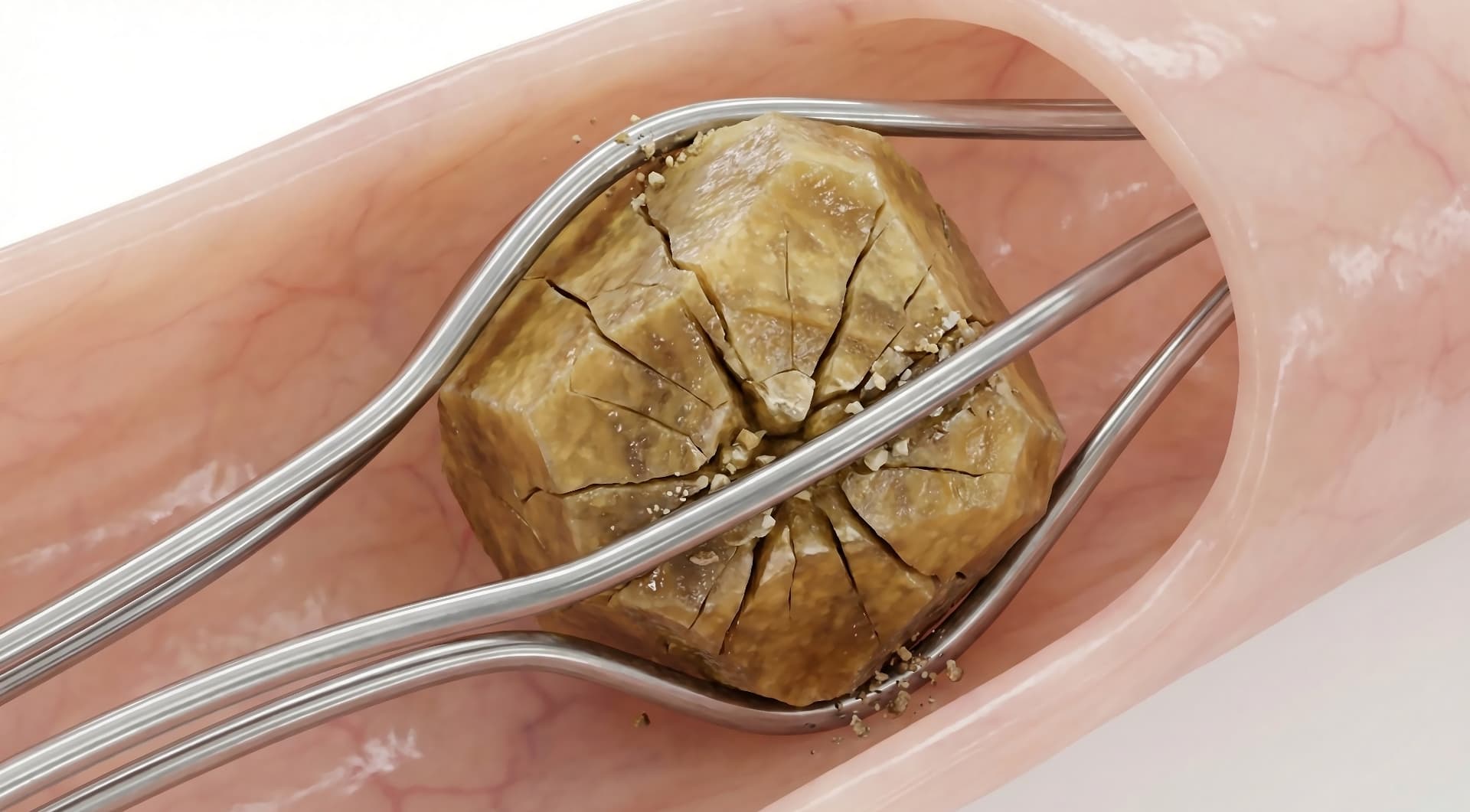
ERCP Therapy
Endoscopic treatment for strictures, stone removal, and stent placement in the pancreatic duct.
Learn more about this procedure →EUS with Coeliac Plexus Block
EUS-guided injection to block pain signals from the pancreas, providing relief for chronic pain refractory to medications.
Learn more about this procedure →Specialised Pancreatic Care
Dr. Prem Thurairajah has extensive experience in managing chronic pancreatitis, with specialised training in therapeutic ERCP and EUS from recognised centres in the UK. He provides comprehensive care from diagnosis through long-term management.
Related Conditions
You may also be interested in learning about these related conditions.
Medical Disclaimer: The information provided on this page is for educational purposes only and is not a substitute for professional medical advice, diagnosis, or treatment. Please consult Dr. Prem Thurairajah or another qualified healthcare provider for personalised medical guidance regarding chronic pancreatitis.